Smart Rings Offer Calm but Lose Real-Time Nudges
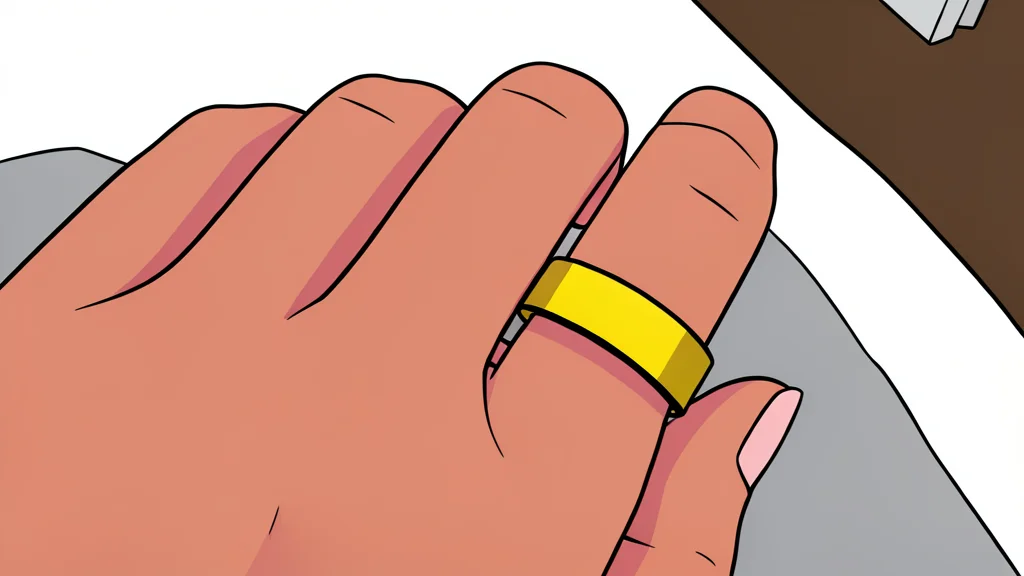
A 30-day test of the RingConn Gen 2 Air reveals that removing screen-based prompts can simplify daily tracking, though it requires users to manually maintain movement habits.
Switching from a wrist-worn fitness tracker to a smart ring eliminates the constant visual prompts that many users rely on to stay active. A recent 30-day experiment conducted by GN auto tech/wearables highlights this trade-off, showing that while the ring provides comprehensive health data, it removes the hourly reminders that previously drove daily movement.
The tester replaced a Fitbit Charge 6 with the RingConn Gen 2 Air, which tracks sleep, heart rate, and stress without a display. The absence of a screen and subscription requirements created a calmer user experience, but it also meant that active engagement with the data required deliberate effort rather than passive awareness.
Lunchtime walks drive routine consistency
Without automated step goals, the tester found that a single habit, the lunchtime walk, became the primary driver of daily activity levels. On days when this walk occurred, average steps reached 9,120 and sleep duration increased to 7 hours and 11 minutes. On days without the walk, steps dropped to 5,740 and sleep decreased to 6 hours and 49 minutes.
While the data suggests a correlation between midday movement and better rest, causality is not guaranteed. The tester noted that days skipped for the walk often coincided with higher stress levels, which could independently impact sleep quality. The key finding was that the walk served as an anchor for the rest of the day, preventing prolonged periods of sedentary behavior.
Screen-free design reduces daily distraction
The smart ring’s lack of a display meant it never demanded attention, unlike the vibrating and buzzing wrist tracker. This quiet approach allowed the user to focus on work without frequent interruptions, but it also led to periods of unnoticed inactivity. During the first week, the tester averaged only 4,000 steps by the end of the workday because there were no external cues to move.
To compensate, the user had to create manual reminders for movement, effectively replicating the functionality of the previous device through third-party notifications. This highlights a significant trade-off: the ring offers a less intrusive experience, but it shifts the responsibility for maintaining activity patterns entirely onto the user.
Practical limitations in physical training
While the ring excels at passive monitoring, it presents practical challenges during high-intensity physical activity. The tester removed the device for strength training sessions involving barbells and kettlebells, citing safety concerns about metal jewelry interacting with heavy equipment. This necessitates a hybrid approach for users who engage in contact sports or heavy lifting, as the ring cannot be worn during these specific exercises.
Furthermore, the ring’s data, including heart rate variability and stress scores, should not be directly compared to wrist-worn tracker metrics. Differences in sensor placement and algorithms mean that absolute numbers are not interchangeable between the two device types. Users must interpret the data within the specific context of the ring’s calibration rather than expecting identical outputs from different hardware.