Garmin Cirqa Tracker Struggles with Urban Commuting Data

A screen-free fitness tracker promises discreet monitoring, but a test in Berlin reveals significant data inaccuracies when users rely on public transit. The device performs well for step counting but misinterprets train rides as extreme running speeds.
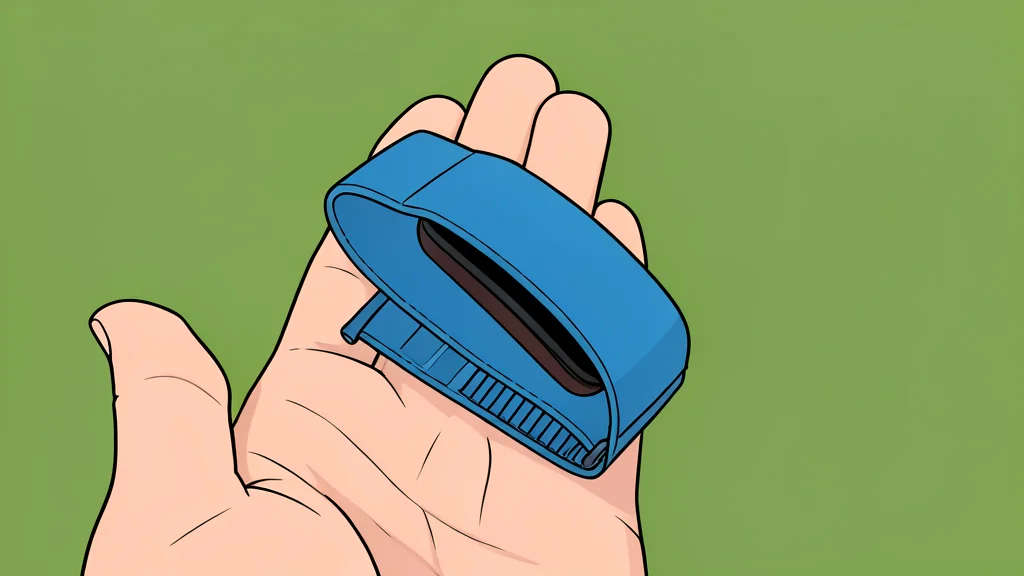
The Garmin Cirqa is designed for people who want to track their health without a bright screen on their wrist. It is a slim, matte band that sits quietly on the arm, aiming to blend into daily life rather than dominate it. During a two-day test at a major tech conference in Berlin, the device successfully logged nearly 29,000 steps, proving it is capable of handling high-volume activity. For pure step counting and heart rate monitoring, the hardware feels robust and the fit remains comfortable even after long hours of wear.
However, the device’s ability to calculate distance and pace is less reliable in mixed-movement scenarios. The tracker interprets all forward motion as walking or running, which creates a blind spot when users are riding public transportation. This limitation means that while the device is a competent step counter, it may provide misleading fitness metrics for those who combine walking with subway or train commutes. The trade-off for a screen-free, low-profile design is a lack of context awareness in the underlying algorithms.
Step Counting Remains Accurate
The core function of the Cirqa, logging physical activity, performed as expected. In a sprawling conference complex with long hallways and multiple floors, the band recorded a high volume of steps without lagging behind. The data from the first day showed a significant spike in activity, reflecting the natural exploration that comes with a new venue. For users whose primary goal is to meet a daily step target, the device offers a straightforward and reliable solution. It does not require constant interaction or screen checks, allowing the user to focus on the environment rather than the interface.
The comfort factor is another key benefit of this form factor. Unlike bulky smartwatches that can feel heavy during all-day wear, the Cirqa maintains a low profile. This makes it suitable for individuals who find traditional wearables intrusive or distracting. The matte finish helps it blend in, reducing the visual noise that often comes with tech accessories. For those who want to track health metrics without feeling like they are wearing a piece of hardware, this design approach offers a compelling alternative.
Transit Rides Skew Distance Data
The most significant issue identified during testing was the calculation of pace and distance. When the user walked to a train station and then rode the metro to the venue, the tracker continued to record the movement. Because the device cannot distinguish between a person running and a person sitting on a moving train, it recorded the transit time as high-speed movement. This resulted in an average pace that was physically impossible for a human being to sustain while walking. The reported distance also ballooned, reflecting the total movement rather than the actual walking effort.
This error highlights a common challenge in wearable technology that lacks GPS or inertial sensors capable of detecting stationary riding. For users who commute via public transport, the data provided by the Cirqa may be misleading. If you rely on pace or distance metrics to gauge your fitness level, this device may not provide an accurate picture. The step count remains valid, but the derived metrics like calories burned or pace become less trustworthy in these specific scenarios.
A Discreet Choice With Limits
According to coverage from GN auto tech/wearables: wearable tech, the Cirqa is a competent tool for basic activity tracking. It excels in environments where the user is consistently on foot, such as hiking, gym sessions, or walking through a city. However, it is not a universal solution for all fitness tracking needs. The lack of a screen is a feature for some and a limitation for others, as it prevents quick data checks without a phone. Users must decide if the simplicity and comfort outweigh the need for precise, context-aware data.
Ultimately, the Garmin Cirqa serves a specific niche. It is ideal for those who want to minimize the visual and physical presence of a fitness tracker. It is less suitable for those who require detailed, multi-modal data that accounts for different modes of transport. The device works well for its primary purpose, but users should be aware that its data interpretation is rigid. If your routine involves significant time in vehicles, you may need to rely on other devices or manual logging to get a complete picture of your activity.