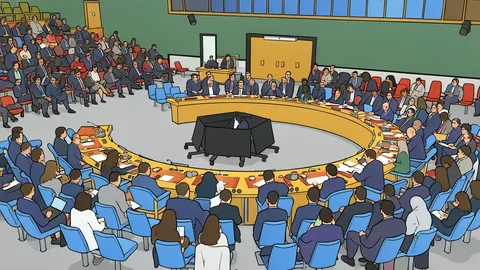
African Court Faces 107 Amicus Briefs on Climate Justice
Over 100 submissions before the African Court link climate harm to colonial legacies, urging a decolonial approach to state obligations.
Key points
- Over 107 amicus briefs have been filed before the African Court on Human and Peoples’ Rights regarding climate change obligations.
- Submissions argue that Africa's climate vulnerability is a direct consequence of colonial extraction and ongoing structural inequality.
- Legal advocates urge the court to recognize Indigenous peoples as rights-holders and to seek accountability for historic environmental harm.
The African Court on Human and Peoples’ Rights is currently navigating an unprecedented volume of legal input as it prepares to issue an advisory opinion on climate change. According to recent analyses, more than 107 amicus briefs and written observations have been filed in the proceedings, signaling a profound engagement with the continent's evolving legal landscape regarding environmental rights. This surge in documentation reflects a growing consensus among legal scholars and advocates that the climate crisis cannot be addressed in isolation from broader historical and structural contexts.
The core argument emerging from these submissions is that Africa’s disproportionate exposure to climate impacts is inextricably linked to its colonial history. Rather than viewing environmental harm as a neutral global phenomenon, many briefs posit that the continent’s current vulnerability is a direct result of historic extraction and dispossession. This perspective challenges the traditional framing of climate justice, which often focuses solely on immediate mitigation and adaptation, by demanding a reckoning with the systemic inequalities that have shaped Africa’s role in the global economy.
Linking Colonial Legacy to Climate Harm
Several key submissions explicitly connect the legacy of colonialism to present-day climate injustice. One prominent argument, detailed in a blog post published on Opinio Juris, suggests that the relationship between developed nations and Africa remains defined by extractivism. In this view, the continent continues to serve as a site for resource extraction and environmental disposability, meaning that the climate crisis is not merely a technical challenge but a continuation of historical oppression. This framing moves the discussion beyond simple financial compensation toward addressing the underlying structures of power and inequality.
Redefining Indigenous Rights and Accountability
The briefs also challenge the conventional understanding of Indigenous peoples in climate litigation. Instead of categorizing them solely as vulnerable groups in need of protection, submissions argue for their recognition as collective rights-holders and essential knowledge-keepers. This shift is significant because it implies that effective climate justice requires the active participation and consent of these communities in decision-making processes. Furthermore, the legal arguments extend accountability beyond domestic remedies, urging African states to seek redress from entities responsible for historic and ongoing environmental damage.
Implications for the Advisory Opinion
As the court deliberates, the convergence of these thematic elements presents a complex opportunity. The potential for an Afrocentric advisory opinion that avoids reproducing external control over African land is a central concern for many observers. The outcome will likely set a critical precedent for how international law addresses the intersection of human rights, environmental justice, and historical responsibility. The coming weeks will determine whether the court adopts this broader, decolonial framework or adheres to more traditional, state-centric interpretations of climate obligations.