Lithuania Votes to Lift Constitutional Nuclear Ban
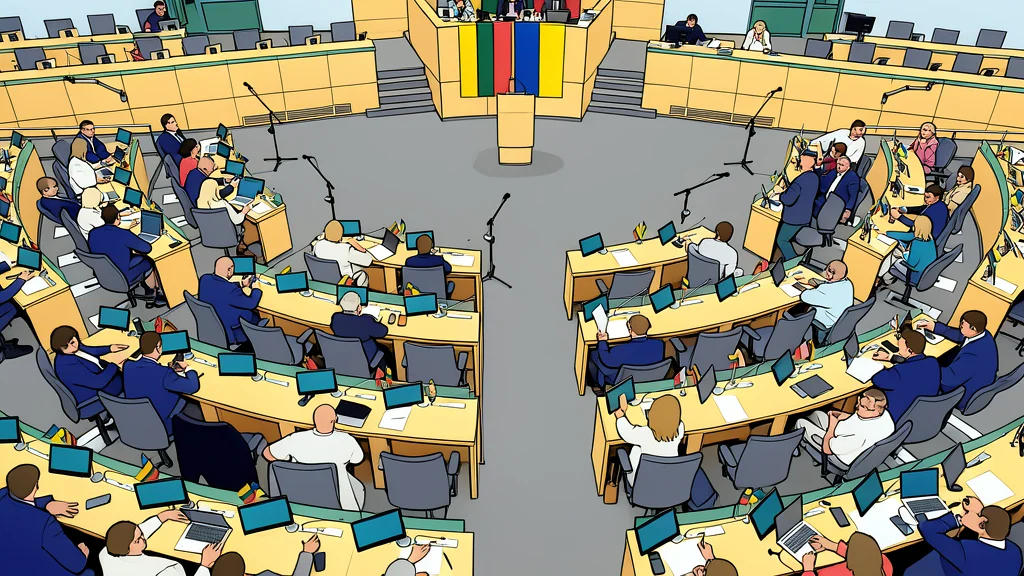
Lithuania's Seimas approved a proposal to repeal the ban on WMDs, aiming to align national law with NATO deterrence capabilities.
Key points
- Lithuania's Seimas voted 99 to 13 to approve a proposal repealing the constitutional ban on weapons of mass destruction.
- The amendment requires two further votes with a three-month interval, necessitating a two-thirds majority of all members for final adoption.
- Officials argue the change aligns Lithuania with other NATO allies and removes legal restrictions on participating fully in collective nuclear deterrence.
Lithuania’s parliament has taken a decisive step toward removing long-standing legal restrictions on the presence of nuclear weapons on its soil. The Seimas approved a proposal to repeal the constitutional provision that explicitly bans weapons of mass destruction and foreign military bases from the country's territory. This move marks a significant shift in Vilnius's legal framework regarding national defense and alliance integration.
According to Ukrainian National News (UNN), the vote was passed with 99 lawmakers in favor, 13 against, and five abstentions. The decision follows a debate that highlighted the evolving security environment in Europe, where legislators argued that the existing constitutional text no longer reflects current geopolitical realities or the requirements for credible collective defense.
Constitutional procedure for amendment
The initial approval is only the first stage of a rigorous legislative process. Under the rules of the Seimas, a constitutional amendment requires two further votes, with an interval of at least three months between each session. To be adopted, the bill must secure a two-thirds majority of all members in each ballot, a threshold that currently stands at 94 votes.
Seimas Speaker Juozas Olekas indicated that the next scheduled vote is set for October 6, with final adoption expected on January 12 of the following year. This timeline allows for continued political deliberation and public discourse before the legal change becomes permanent, ensuring that the process remains transparent and thoroughly debated.
Security context and alliance roles
Officials have cited the changing security landscape in Europe as the primary driver for this legislative effort. Olekas argued that Russia’s aggression in Ukraine and the modernization of nuclear capabilities in neighboring regions necessitate that Lithuania is not legally restricted from fully participating in NATO’s deterrence architecture. He emphasized that NATO’s nuclear component serves to preserve peace and prevent coercion.
Remigijus Motuzas, chair of the Foreign Affairs Committee, noted that Lithuania is one of the few NATO members with such explicit constitutional restrictions. He pointed out that neighboring allies, including Poland, Estonia, and Latvia, do not face similar legal barriers. Motuzas stated that removing this provision would signal that Lithuania is a full-fledged participant in the alliance’s collective defense mechanisms.
Broader European nuclear discussions
This legislative move occurs against a backdrop of renewed debate in Europe over nuclear deterrence strategies. According to reports cited by LRT, discussions have been fueled by proposals from French President Emmanuel Macron regarding a new European nuclear arrangement. Additionally, media reports suggest that the United States is considering expanding the deployment of nuclear weapons to additional NATO countries in Europe.
These developments underscore a broader trend among European allies to reconsider their defensive postures in response to heightened geopolitical tensions. As Lithuania moves through the remaining stages of the constitutional amendment process, the outcome will likely influence how other NATO members evaluate their own legal frameworks and defense commitments in the coming years.