Displaced Nigerians Seek Political Change Ahead of 2027 Elections

Residents of makeshift camps in Abuja express deep dissatisfaction with current economic and security policies, signaling a potential shift in voting patterns for the upcoming presidential polls.
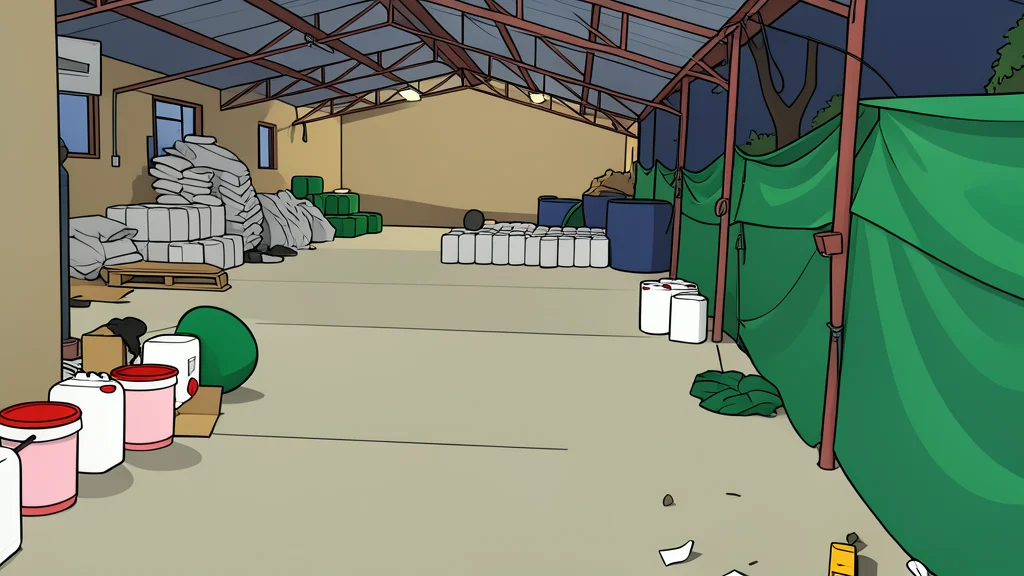
In the outer suburbs of Nigeria’s capital, Abuja, a stark contrast defines the landscape. Paved roads and secured housing estates give way to dirt paths lined with overgrown shrubs and one-room shacks constructed from corrugated iron and wooden planks. For fifteen years, thousands of internally displaced people (IDPs) have lived in these makeshift settlements, fleeing jihadist insurgency in the northeast. As the country prepares for the January 2027 presidential elections, many residents say they feel forgotten by the state, despite being situated just fifteen kilometers from the presidential villa.
According to a report by Africanews, the economic and security challenges facing these communities are intensifying political discontent. With inflation rising sharply following the removal of fuel subsidies and insecurity spreading to new regions, displaced families are increasingly viewing the upcoming vote as an opportunity to demand change. Community organizers indicate that they have mobilized residents to use their voting power against the incumbent government, citing years of unmet needs and ongoing violence.
Economic Strain Fuels Voter Discontent
The economic reforms implemented by President Bola Tinubu have received praise from investors and economists, who argue that ending the costly fuel subsidy and liberalizing the exchange rate were necessary to stabilize the economy. However, critics note that the benefits of these structural adjustments have not reached the average citizen. For displaced families, who rely on daily wages and basic goods, the skyrocketing prices have made survival increasingly difficult. Hawa Usman, a 37-year-old resident who fled Borno state, stated that her family has suffered significantly under the current administration and intends to vote for an alternative in 2027.
Liyatu Ayuba Yusuf, a community organizer who liaises with politicians on behalf of women in the capital, acknowledges the complexity of her position. Although she is a registered member of the ruling All Progressives Congress and claims the ability to deliver votes for the president, she emphasizes that the collective voice of the displaced is powerful. This tension highlights a broader disconnect between the government’s macroeconomic strategy and the microeconomic realities of those most vulnerable to inflation and instability.
Rising Insecurity Across Northern Regions
Security remains a critical concern for displaced populations, with jihadist groups continuing to expand their operations beyond the northeast. According to data cited by Africanews, armed groups collected nearly $6 million in kidnapping ransoms between mid-2025 and mid-2026. The second quarter of 2026 was recorded as the most violent period since conflict tracking began in 1997. Zainab Bukar, a 50-year-old resident, described the psychological toll of witnessing online images of violence affecting her kinsmen, stating that she previously supported the current president but will switch her vote this time around.
While the government has taken steps to address the threat, including a joint operation with the United States that killed a top Islamic State leader in May, the violence persists. Militants from the Sahel are also making inroads into northwest and north-central Nigeria. Analysts point to the daily occurrence of kidnappings as a key driver of public dissatisfaction, arguing that the state has failed to protect its citizens in these regions.
Fragmented Opposition Challenges Unified Front
Opposition candidates are attempting to capitalize on the widespread discontent. Veteran candidate Atiku Abubakar has called for the reinstatement of a targeted fuel subsidy, while Peter Obi, who won the Federal Capital Territory in the last election, has consistently highlighted insecurity as a central issue. However, political analysts warn that the split between these two major opposition figures could replicate the results of the 2023 election, where the opposition vote was divided, allowing the incumbent to win with a plurality.
The outcome of the 2027 election will depend on whether the opposition can unify behind a single platform that addresses both economic and security concerns. For the 3.7 million internally displaced people across Nigeria, the stakes are personal. As the election approaches, the ability of the government to demonstrate tangible improvements in their daily lives will be tested, while the opposition faces the challenge of consolidating a fragmented base into a coherent electoral force.