Congressional Report Highlights War Costs and Stockpile Concerns
A new analysis suggests the ongoing conflict is driving up domestic inflation while depleting critical military reserves, raising questions about long-term strategic readiness.
A nonpartisan report released by the Congressional Budget Office indicates that the ongoing military conflict with Iran is contributing to rising inflation in the United States. According to the findings, the six-month operation has already cost approximately $38 billion, with projections suggesting an additional $3 billion in monthly expenses. The report estimates that this fiscal pressure will add 0.5 percentage points to the inflation rate during the first quarter of 2027, exacerbating existing economic concerns among the public.
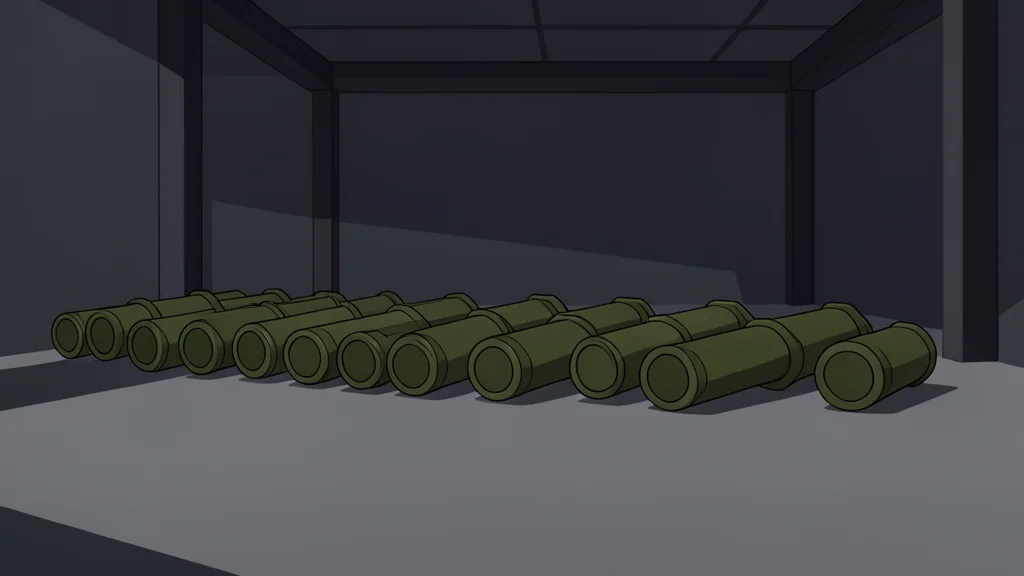
Beyond the immediate financial impact, the analysis highlights significant strains on the nation’s defense capabilities. The CBO estimates that replenishing depleted munitions stockpiles could take up to five years, a timeline that raises questions about the military’s capacity to meet commitments in other regions. This assessment aligns with earlier testimony from Defense Secretary Pete Hegseth, who cited similar cost figures while urging Congress to approve a substantial increase in the defense budget, despite ongoing debates regarding the conflict's duration and strategic objectives.
Economic Pressure Amid Political Debate
The release of the report coincides with growing political scrutiny over the war's popularity and economic toll. As voters approach the November midterm elections, concerns over the cost of living are intensifying, particularly as global energy markets face disruptions. Democratic lawmakers have emphasized the human and financial costs, noting that the conflict has resulted in casualties and significant taxpayer expenditure. In contrast, the administration has defended the operation, with President Trump asserting on social media that inflationary pressures are temporary and will subside once hostilities cease.
According to Al Jazeera English, the conflict was launched in February by the United States and Israel, initially expected to last only several weeks. However, the situation has evolved into a prolonged engagement that has drawn criticism from various quarters. The administration maintains that the war is justified despite the costs, while critics argue that the prolongation of the conflict is creating a quagmire that strains both military resources and public support. This divergence in perspective underscores the complexity of balancing strategic goals with domestic economic stability.
Munitions Shortages and Operational Limits
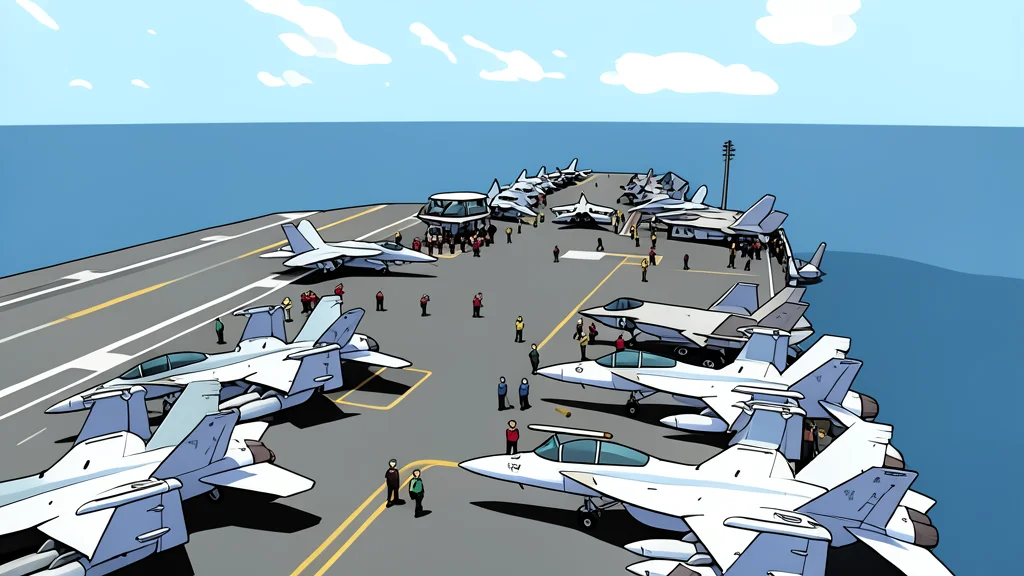
Recent investigations by Pentagon inspectors general have detailed specific shortfalls in munitions and production bottlenecks, corroborating the CBO’s broader findings. These reports indicate that the conflict has exhausted supplies of key weapons systems, potentially limiting the military's ability to respond to threats elsewhere in the world. The loss of dozens of aircraft during the campaign has further complicated the logistical landscape, prompting a reevaluation of production capacities and strategic reserves. Military officials have publicly asserted that they possess the necessary assets to conduct strikes as directed, but the internal assessments suggest a more nuanced reality regarding sustainability.
Forward Outlook and Strategic Implications
The coming months will likely see increased focus on how the administration manages the intersection of military operations and economic policy. Observers will watch for potential budget adjustments, changes in defense production priorities, and any diplomatic shifts that could alter the trajectory of the conflict. The long-term implications of a five-year replenishment period for munitions could reshape U.S. defense planning, forcing a reconsideration of rapid-response capabilities. As the debate continues, the balance between immediate tactical needs and long-term strategic resilience remains a central issue for policymakers and the public alike.