Egypt and US Reinforce Security Coordination Amid Horn of Africa Tensions
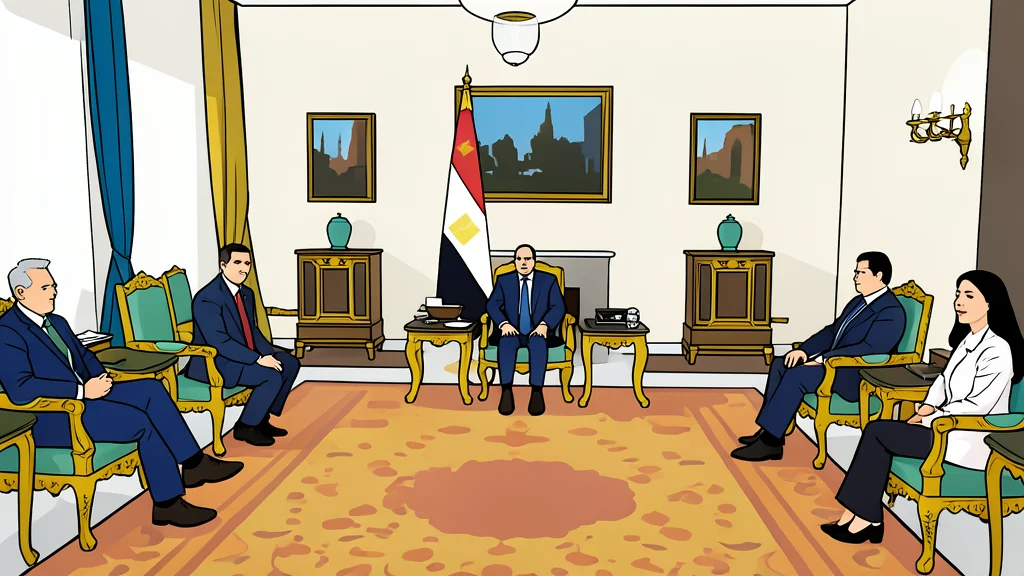
Cairo and Washington emphasized their commitment to Somali sovereignty during high-level talks, signaling a deeper alignment on regional stability and intelligence sharing.
President Abdel Fattah El-Sisi reaffirmed Cairo’s unwavering support for Somalia’s sovereignty and territorial integrity during a meeting with John Ratcliffe, the Director of the CIA. According to official statements, the Egyptian leader firmly rejected any actions that could infringe upon the unity and security of the Somali state. This diplomatic exchange took place in Cairo on Sunday, with Hassan Rashad, Head of Egypt’s General Intelligence Service, also present to facilitate discussions on broader regional stability.
Ratcliffe conveyed the US administration’s appreciation for Egypt’s active role in promoting security across the African continent. He highlighted the necessity of sustained coordination between the two nations’ authorities, particularly regarding the ongoing crisis in Sudan and evolving dynamics in the Horn of Africa. The dialogue underscored a shared interest in addressing maritime security threats and countering transnational organized crime, reflecting a mutual desire to stabilize the broader geopolitical landscape.
Broadening the Scope of Cooperation
Beyond Somali affairs, the discussions covered a wide array of strategic issues, including the ceasefire plan for Gaza and the situation in Iran. The CIA chief expressed the US keenness to maintain close collaboration with Egypt to support peaceful and comprehensive solutions to regional crises. According to reports from GN auto geopolitics/africa: Somalia security, these talks reflect a broader effort to align intelligence assessments and policy approaches in the Middle East and Africa.
Ratcliffe specifically praised the strong partnership between the CIA and Egypt’s General Intelligence Service. He noted that this cooperation is vital for countering terrorist organizations and addressing transnational crimes. The emphasis on information exchange suggests that both sides view intelligence sharing as a critical component of their security strategy, aiming to enhance their ability to respond to complex regional challenges.
Strategic Implications for Regional Stability
The meeting signals a continued prioritization of Egypt as a key partner for the United States in the region. By focusing on sovereignty and stability, both nations aim to counter destabilizing forces and promote diplomatic solutions. This approach is intended to foster a more predictable security environment, which is essential for economic development and peacebuilding in the Horn of Africa and beyond.
As regional tensions persist, the forward-looking aspect of this dialogue remains crucial. Observers will likely watch for concrete steps in intelligence sharing and joint initiatives that translate these diplomatic assurances into actionable security measures. The consistency of Cairo’s stance on Somali sovereignty is expected to influence future diplomatic engagements in the region.