Nigeria Presents Electoral Tech Initiative at UN General Assembly

A coalition of Nigerian technocrats is set to unveil a new digital framework for electoral transparency at the United Nations, aiming to bolster confidence ahead of the 2027 general elections.
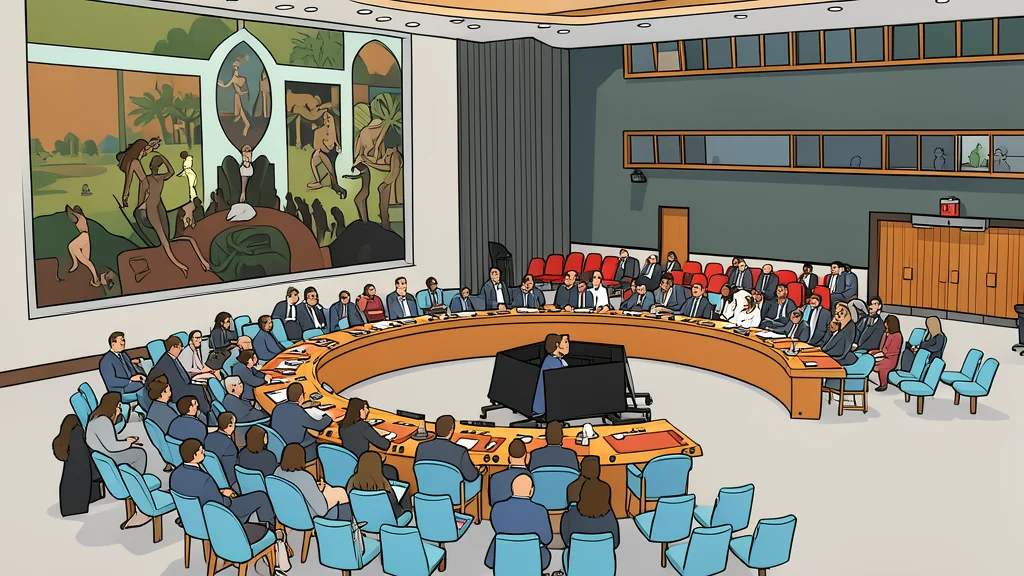
Nigerian civic leaders and technocrats are scheduled to present a new technology-driven initiative for electoral integrity at the ongoing United Nations General Assembly in New York. The event, designated as a side event titled 'Performance Democracy & Transformational Leadership,' centers on a proposed architecture intended to enhance the transparency and authenticity of the country's upcoming 2027 general elections. According to reports from GN auto geopolitics/africa: Nigeria elections, the initiative seeks to address concerns regarding electoral processes by introducing a robust digital safeguard system.
The proposal, known as the National Election Intelligence Project (NEIP), is built upon the framework of the Nigeria Election Evidence and Transparency Project. Lydia Enyidiya Eke, the Media Representative to the UN General Assembly for the stakeholders involved, stated that the objective is to strengthen citizen ownership of the electoral process. She emphasized that the initiative is not intended to create a competing political platform but rather to support the authority of Nigeria’s established electoral institutions while ensuring greater public trust in the results.
Digital Safeguards for Electoral Integrity
The architecture aims to provide a structured approach to monitoring and verifying election data, a critical concern in many African nations. Participants describe the system as a 'democratic intelligence' tool designed to mitigate the risk of manipulation and ensure that the will of the electorate is accurately reflected. By leveraging technology, the group hopes to create a verifiable record that can withstand scrutiny from both domestic observers and international bodies.
This approach aligns with broader trends in civic engagement, where digital tools are increasingly used to promote accountability. However, the success of such initiatives often depends on their integration with existing legal frameworks and the willingness of state institutions to collaborate. The presenters argue that this collaborative model respects the sovereignty of national electoral bodies while offering a layer of independent verification that can help stabilize the democratic environment.
Diplomatic and Civic Stakeholders
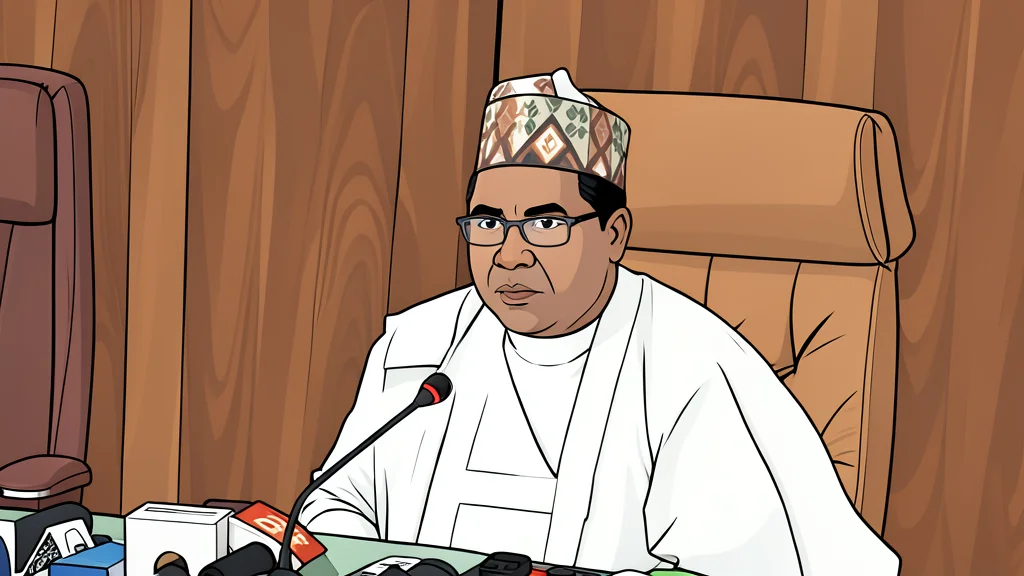
The side event features a diverse group of speakers, including Ambassador Abubakar Jidda, Nigeria’s Consul General in New York, who is set to deliver the keynote address. The convenor, Apostle Dr. Bolaji Akinyemi, has gathered a team of experts from both Nigeria and the diaspora. These individuals represent various sectors, including technology, education, and civil society, reflecting a multi-faceted approach to the challenges of modern governance.
Organizations such as Citizen Advancement and Development Initiatives and Project Victory Call Nigeria are also part of the coalition. This broad base of support suggests that the initiative is not limited to a single ideological perspective but is instead a cross-cutting effort to improve civic infrastructure. The inclusion of diaspora voices highlights the global interest in Nigeria’s democratic trajectory and the potential for transnational cooperation in supporting electoral integrity.
Implications for Future Elections
As Nigeria prepares for the 2027 polls, the introduction of such a framework at the UN level signals a desire for international recognition of its democratic efforts. The event provides a platform to discuss the broader implications of technology in governance, particularly in the context of African political landscapes. Observers will watch closely to see if this initiative gains traction among policymakers and whether it influences the regulatory environment surrounding future elections.
The forward question remains how this digital architecture will be implemented and regulated in practice. While the proposal offers a promising path toward greater transparency, its effectiveness will ultimately depend on political will and institutional cooperation. The coming months will be crucial in determining whether this initiative translates into tangible improvements in Nigeria’s electoral process.