Ghana Faces Trade Risks After 3.9-Tonne Cocaine Seizure in France
The IERPP warns that the recent French customs bust could lead to stricter port inspections, higher logistics costs, and reduced investor confidence for Ghana.
Key points
- French customs seized 3.9 tonnes of cocaine in Dunkirk that originated from Ghana.
- The IERPP warns the bust could lead to higher freight costs and stricter inspections.
- Investor confidence may suffer due to perceived risks in Ghana's port security.
A large-scale cocaine seizure in France has raised urgent concerns about Ghana’s standing in international trade. According to the Institute for Economic Research and Policy Planning (IERPP), the incident could trigger a cascade of negative consequences, including heightened scrutiny of Ghanaian cargo and a decline in foreign direct investment.
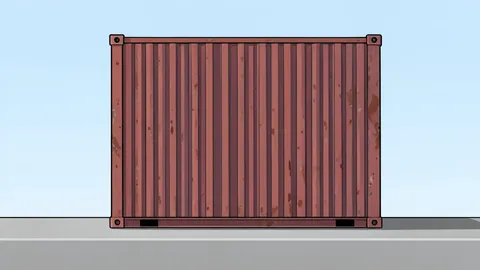
French customs officials intercepted nearly 3.9 tonnes of cocaine at the port of Dunkirk on September 10. Ghana’s Narcotics Control Commission subsequently confirmed that the shipment originated from a container leaving the port of Tema. This confirmation has placed significant diplomatic and economic pressure on Accra to address vulnerabilities in its export controls.
Economic repercussions of port scrutiny
In a statement released on September 21, 2026, Prof. Isaac Boadi, Executive Director of the IERPP, outlined the potential financial fallout. He argued that illicit supply chains increase compliance friction for legitimate exporters, leading to longer dwell times for domestic cargo and increased freight costs. This erosion of trade integrity threatens to make Ghanaian goods less competitive in global markets.
The IERPP emphasized that rising incidents of narcotics export risk flagging national ports as high-risk origins. This label inevitably leads to heightened inspection scrutiny at foreign ports, which disrupts supply chains and imposes additional logistical burdens on businesses that are fully compliant with international regulations.
Investor confidence and fiscal stability
Beyond immediate trade logistics, the think tank warned of deeper institutional decay. Prof. Boadi noted that the trafficking of illicit drugs introduces untaxed, illegal capital into the domestic economy. This influx distorts market dynamics and encourages money laundering, which ultimately undermines fiscal stability by fueling an unchecked underground economy that competes with legitimate businesses.
According to the IERPP, these factors damage the sovereign security metrics required to attract foreign direct investment. Investors are increasingly sensitive to governance risks, and the perception of porous borders or weak regulatory oversight can deter long-term capital commitments to sectors such as manufacturing and logistics.
National security and future trade
The ability of traffickers to move such a large volume undetected through Tema poses a wider threat to national security. The IERPP described the porous nature of Ghana’s ports as a severe existential threat to the national economy, urging that this incident serve as a turning point for urgent reforms.
As Ghana seeks to remain competitive under the African Continental Free Trade Area, the IERPP stressed that its ports must not become synonymous with narcotics exports. The forward question now centers on whether Accra will implement the necessary regulatory and security overhauls to restore trust among international partners and investors.