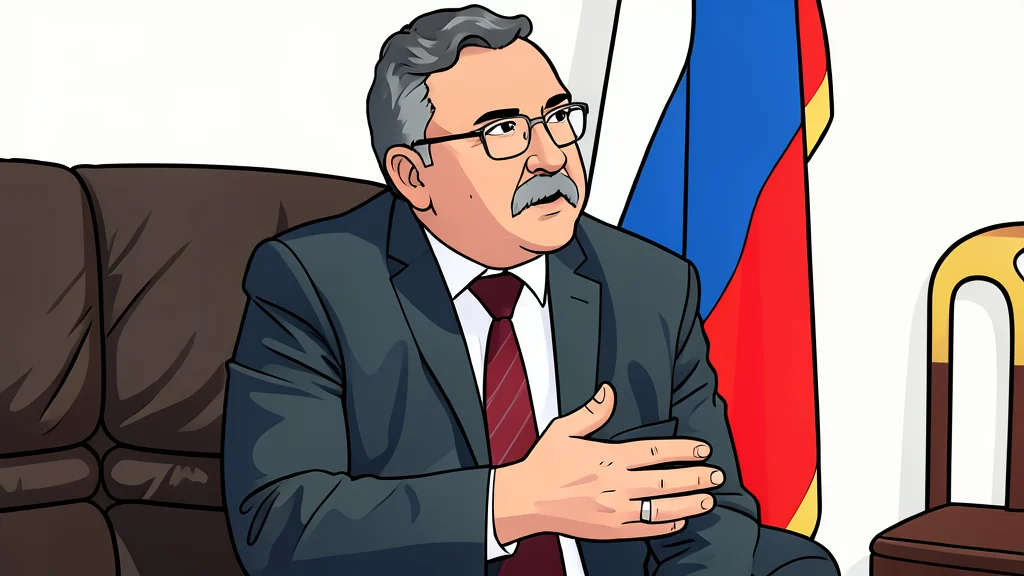
Ghana Speaker Launches Endowment Fund for African Health Commission

Parliament Speaker Alban Bagbin has re-inaugurated the African Commission of Health and Human Rights Promoters, launching a new endowment fund with a personal contribution of GH¢100,000 to ensure institutional sustainability.
The Speaker of Ghana’s Parliament, Alban Kingsford Bagbin, has formally re-inaugurated the African Commission of Health and Human Rights Promoters. The ceremony, held in Accra, marked the official launch of a new endowment fund designed to secure the organization’s financial independence. Bagbin contributed GH¢100,000 personally to the fund, signaling a commitment to moving beyond temporary donor support.
The event also saw the swearing-in of a new five-member board of directors. This development represents a strategic shift for the commission, which aims to bridge the gap between high-level public policy and the daily realities of citizens, particularly those in vulnerable and marginalized communities. The focus is on ensuring that health rights and human dignity are protected through sustained institutional presence rather than sporadic interventions.
Push for Sustainable Institutional Financing
During his address, Bagbin emphasized that the longevity of such institutions depends heavily on reliable financial resources. He cautioned that policies and mandates cannot yield meaningful results if the bodies responsible for their implementation lack adequate funding. According to the Speaker, relying solely on irregular budgetary allocations or short-term grants creates a fragile foundation for long-term social justice work.
He urged corporate entities and international partners to contribute to the endowment fund, arguing that sustainable financing is critical for operations such as dialysis services and other continuous healthcare interventions. Bagbin noted that institutions must be equipped with stable resources to function effectively, comparing an underfunded organization to a vehicle without fuel. This appeal for broader stakeholder support underscores the need for a financial model that ensures operational continuity and independence.
New Board Embraces Advocacy Mandate
The newly sworn-in board has been tasked with defending the interests of vulnerable populations, including rural farmers and the urban poor. Bagbin described their responsibility as both noble and heavy, urging them to maintain objectivity and an evidence-driven approach in their work. He stressed that the ultimate measure of success should not be the scale of the inauguration, but the tangible impact on individuals seeking justice, healing, and dignity.
According to Bishop Louis Christian Godson, the commission’s chief executive officer, the renewed mandate is built on three strategic pillars: advocacy and education, accountability and redress, and policy integration. The organization plans to intensify public education on patient rights and engage healthcare providers to report violations. This structured approach aims to create a more responsive framework for addressing health-related human rights issues.
Environmental Health and Policy Integration
The commission’s agenda also extends to environmental health concerns, with specific attention to the impact of illegal mining, known locally as galamsey. Godson identified this practice as a significant public health threat, calling for stronger research and monitoring. By integrating these environmental factors into their advocacy, the commission seeks to address the root causes of health disparities that affect communities in Ghana and the wider region.
As reported by GN geopolitics/rights (en-US), this re-inauguration highlights the growing importance of independent oversight bodies in the health sector. The next steps will involve monitoring the commission’s ability to attract further funding and implement its policy recommendations. Observers will watch closely how the new board navigates the complex landscape of health insurance, mental health, and environmental justice in the coming months.