Yemen Conflict Escalation and Global Energy Impacts

Recent military gains by Houthi forces in Yemen have intensified regional tensions, raising concerns over global shipping lanes and oil supply stability.
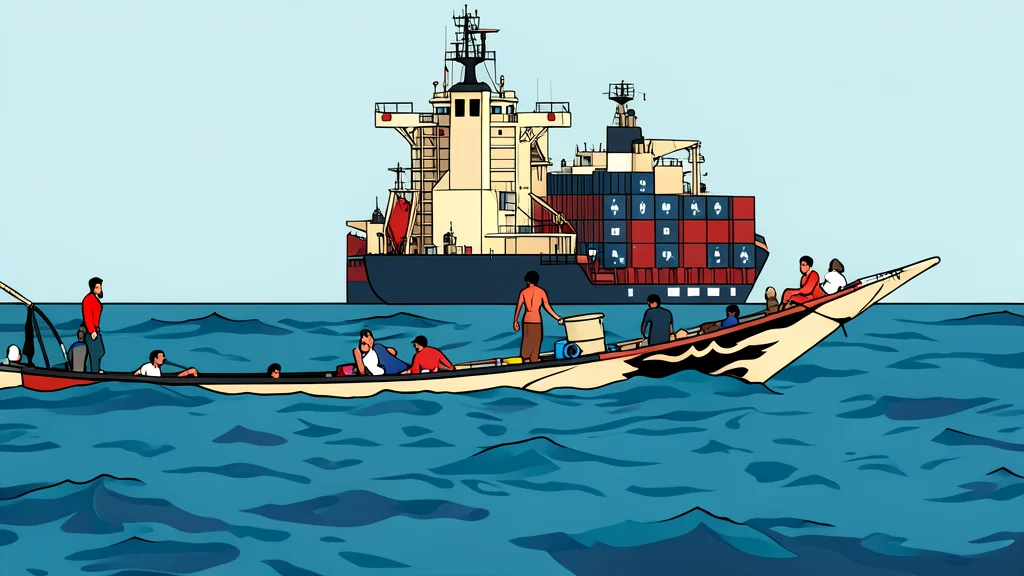
The conflict in Yemen has intensified significantly in recent weeks, with Houthi rebels seizing control of nearly the entire Red Sea coastline. This strategic move grants the Iran-aligned group dominance over the Bab al-Mandab Strait, a critical chokepoint for international trade. The escalation has immediate consequences for global energy markets, as the group has also increased attacks on energy infrastructure in Saudi Arabia, the world’s largest oil exporter.
According to reports from GN auto geopolitics/middle-east: Yemen conflict, the situation has contributed to a notable spike in oil prices, which reached $110 per barrel in mid-September before easing slightly. Experts warn that a prolonged disruption of Saudi Arabia’s East-West pipeline or a blockade of the Bab al-Mandab Strait could trigger severe economic shockwaves globally, given that the strait handles approximately 6 percent of the world’s seaborne oil trade.
Dual Pressures on Global Markets
The instability in Yemen is compounded by ongoing tensions between the United States and Iran. Although major combat in the Persian Gulf has paused, sporadic strikes continue, effectively constraining the Strait of Hormuz. Analysts from Eurasia Group describe a dynamic where both the Saudi-Houthi conflict and the US-Iran standoff simultaneously pressure international oil supplies, creating a compounded risk for global energy security.
Financial institutions are monitoring these developments closely. Goldman Sachs has cautioned that oil prices could climb to $120 a barrel if the conflicts in Iran and Yemen persist. This potential surge reflects the interconnected nature of regional security and global economic stability, particularly as energy markets remain volatile amid geopolitical uncertainties.
Diplomatic Constraints and Strategic Calculations
Despite requests for military support from Riyadh, the United States has declined to intervene further in Yemen. President Trump appears to prioritize avoiding a new military quagmire ahead of upcoming midterm elections. In contrast, Houthi leaders have reportedly assured Washington that they will not block the Bab al-Mandab Strait or attack international shipping, except for Saudi vessels. These assurances were discussed during recent meetings between US officials and Houthi representatives in Oman.
Middle East experts suggest that the Houthi strategy is driven by a desire to avoid the heavy costs imposed by previous US military campaigns. The group’s focus on Saudi targets, rather than broader international shipping, may reflect a calculated effort to limit direct confrontation with Washington while maximizing pressure on its regional rival.
Forward Outlook for Regional Stability
The current trajectory poses a significant challenge for Saudi Arabia, whose military intervention in Yemen since 2015 has faced growing setbacks. With its allies in Yemen routed and facing increased attacks from Houthi forces and other Iran-backed groups, the kingdom’s ability to secure its energy exports is under strain. The damage to its critical oil pipeline has already throttled export capacity, adding to global supply pressures.
Looking ahead, the key question is whether diplomatic channels can prevent a full blockade of the Bab al-Mandab Strait. The interplay between regional hostilities and global energy markets will likely determine the next phase of this crisis, with potential implications for inflation and economic growth worldwide.