Essex Police Invoke Dispersal Orders Ahead of Wethersfield Protest
Authorities in Braintree have enacted temporary bans on gatherings and face coverings ahead of a planned demonstration at a former airbase housing asylum seekers, citing concerns over potential anti-social behavior.
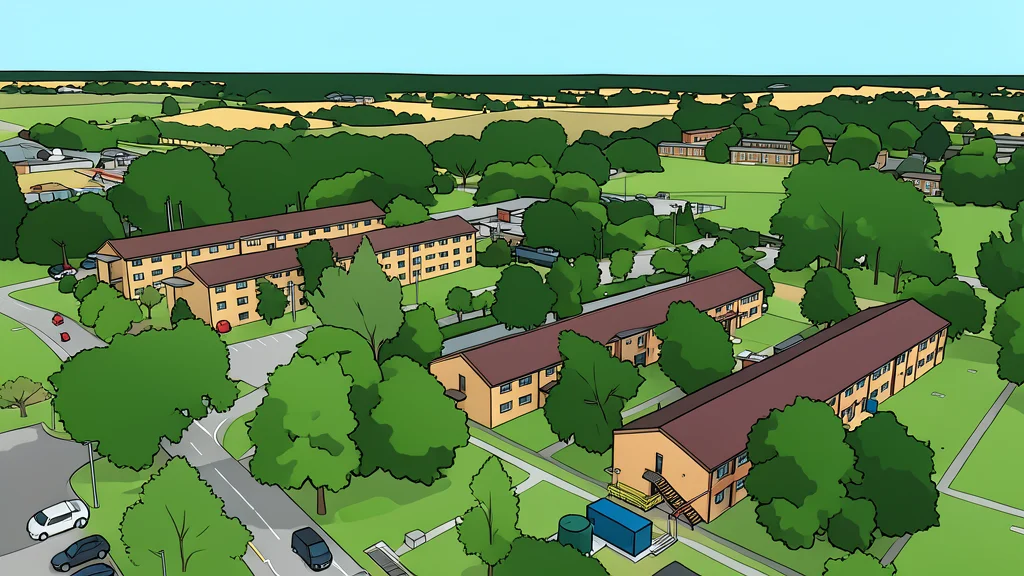
Essex Police have introduced a dispersal order and a ban on face coverings in the Braintree district for Saturday afternoon. These measures are in effect from 1:00 PM on Saturday until 10:00 AM on Sunday and are specifically linked to a potential demonstration at MDP Wethersfield, a former Royal Air Force station currently used to house asylum seekers. The force stated that these proactive steps were taken following intelligence suggesting a risk of anti-social behavior, although officials emphasized that the orders are not intended to obstruct lawful and peaceful protest.
Ch Insp Martin Richards, the district commander for Braintree and Uttlesford, clarified that the primary goal is to ensure public safety. According to Richards, the orders target individuals who may intend to commit crimes or engage in disruptive activities rather than those exercising their right to demonstrate. The site currently accommodates 800 men aged between 18 and 65, who are subject to a voluntary evening curfew rather than detention. The UK government has indicated that the number of residents at this location is expected to rise to 1,245, with the facility remaining open beyond 2027 as part of a broader strategy to shift accommodation from hotels to ex-military sites.
Context of Asylum Accommodation Shift
The repurposing of MDP Wethersfield for asylum accommodation began under the previous Conservative government in 2023 and has continued under the current Labour administration. This move aligns with a governmental pledge to reduce reliance on hotels for housing asylum seekers by 2029. Since July 2024, the number of hotels in use for this purpose has decreased from 213 to fewer than 160. According to reporting by GN geopolitics/migration (en-US), this transition reflects a calculated effort to utilize existing state infrastructure while managing public capacity and logistical constraints associated with hotel-based accommodation.
Despite local concerns, the Home Office maintains that there is no evidence suggesting that asylum seekers disproportionately contribute to crime or anti-social behavior. The department notes that every individual arriving at Wethersfield undergoes screening against policing, security, and immigration databases. Additionally, official factsheets indicate that residents are not provided with personal items such as clothing or mobile phones by the state; these are instead supplied by charitable organizations, a detail often overlooked in public discourse regarding the daily realities of life at such facilities.
Balancing Safety and Civil Liberties
The invocation of these orders highlights the tension between maintaining public order and protecting civil liberties during times of heightened community tension. Police officials stress that their approach is preventive, aiming to mitigate risks before they escalate. This stance is consistent with broader policing strategies in the UK, where anticipatory measures are increasingly deployed in areas identified as potential flashpoints for conflict. The distinction between lawful protest and criminal intent remains a central focus for law enforcement as they navigate these complex social dynamics.
Observers will be watching how the situation unfolds over the weekend, particularly whether the anticipated protests remain peaceful or if the predicted disruptions materialize. The effectiveness of the dispersal orders will also be a key indicator of police strategy in managing similar incidents in the future. As the UK continues to grapple with the logistics of asylum accommodation, the balance between security measures and community engagement will likely remain a critical area of scrutiny for both policymakers and the public.