Nigerian Legal Scholar Warns Courts Are Reshaping Electoral Outcomes

A prominent legal scholar argues that the judiciary has increasingly moved from adjudicating disputes to determining political winners, raising concerns about voter sovereignty.
Prominent human rights lawyer and public affairs commentator Prof. Chidi Anselm Odinkalu has accused the Nigerian judiciary of progressively encroaching on the power of voters to determine electoral outcomes. Speaking during a recent symposium in Lagos, he warned that courts are increasingly acting as arbiters of political power rather than neutral adjudicators of disputes.
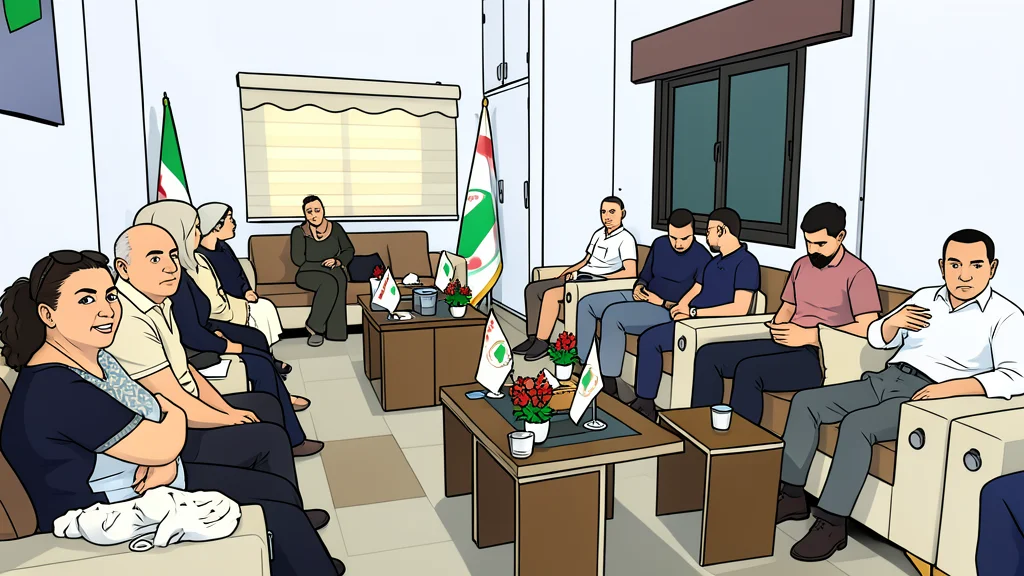
Odinkalu made these remarks while delivering the keynote address at the third edition of the Tunji Braithwaite Symposium. The event, organized by the Tunji Braithwaite Foundation, focused on the relationship between the judiciary and electoral integrity, specifically regarding the safeguarding of free and fair elections for democratic consolidation.
Judicial Role in Political Markets
According to Odinkalu, the evolution of election jurisprudence in Nigeria has allowed judges to determine who should occupy elective offices, rather than merely resolving conflicts over the conduct of elections. He described this shift as turning the judiciary into "political market-makers" and ultimate arbiters of winners and losers, creating an environment where judicial decisions on election disputes are viewed with suspicion.
The scholar clarified that his criticism is not an argument against the constitutional responsibility of courts to adjudicate electoral disputes. Instead, he expressed concern over the extent to which legal interpretations have transformed courts from institutions for resolving disputes into bodies capable of determining political outcomes, thereby impacting popular sovereignty.
Concerns Over Wasted Votes
Odinkalu was particularly critical of the legal doctrine under which votes may be rendered ineffective if a candidate fails to satisfy specific legal requirements. He argued that the application of the concept of "wasted votes" in electoral cases can have consequences comparable to a military coup, as it effectively displaces the choice expressed by the electorate.
He cited several controversial judicial decisions since the return to democratic rule in 1999, including cases from Anambra, Rivers, and Plateau states. These interventions, he noted, have created uncertainty over where ultimate electoral authority resides, extending consequences beyond the immediate dispute between contestants.
Proposals for Electoral Reform
To address these concerns, Odinkalu called for a mechanism that ensures voters have the final say when a court nullifies an election. Referencing recommendations from the Electoral Reform Committee, he proposed that a fresh election should be conducted whenever an existing result is invalidated.
Under this proposed arrangement, the court would determine the legal validity of the election, while the electorate would ultimately decide who exercises the political mandate. This approach, he argued, is the only way to restore decision-making power to the voters and preserve democratic integrity. This analysis is part of ongoing coverage by GN auto geopolitics/africa: Nigeria elections.