Libya Media Chief Clashes with UN Mission over Execution Policy
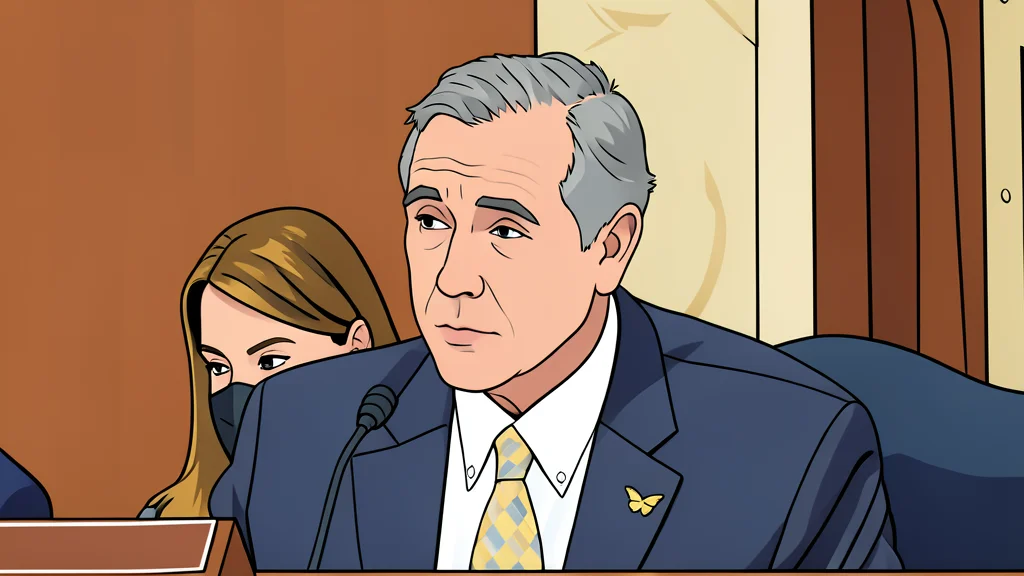
Mohammed Bayou, head of the Libyan Media Corporation, has issued a sharp rebuttal to international concerns regarding recent executions in eastern Libya, framing the actions as necessary retribution for past violence.
Mohammed Bayou, head of the Libyan Media Corporation, has sharply criticized a recent statement from the United Nations Support Mission in Libya (UNSMIL) regarding executions carried out by the military court under the General Command. In a post on his personal social media page, Bayou questioned the silence of the UN and various human rights organizations during previous periods of instability in eastern Libya. He emphasized that retribution is a vital component of life, challenging what he described as the selective application of human rights standards by international bodies.
The controversy follows UNSMIL’s expression of deep concern over the reported execution of more than thirty individuals in eastern Libya over recent weeks. The mission urged authorities to halt further executions immediately and called for a thorough review of procedures to ensure fair trial standards. Bayou’s response directly addresses this diplomatic pressure, asserting that the current actions are a direct response to historical grievances that were overlooked by the international community.
Recalling Past Violences in Eastern Cities
Bayou described a period he termed a "dark time" experienced in several eastern Libyan cities, including Benghazi, Derna, Sirte, Brak al-Shati, Ajdabiya, and Quba. According to Bayou, terrorist groups committed severe atrocities during this era, including the hanging of civilian bodies at the Zaafran Gate in Sirte and the use of makeshift courts devoid of legal standards. He cited specific incidents, such as attacks on security forces with incendiary devices and the killing of civilians, arguing that these events created a climate of fear that has only recently subsided.
The media chief specifically referenced armed militants from various countries who, he said, took control of Derna and turned it into a hub for destruction. He credited Operation Dignity and its leaders for ending this period of turmoil. Bayou stressed the importance of remembering these events and maintaining vigilance to prevent their recurrence, declaring that the threat of force remains a necessary deterrent to ensure such days do not return.
Challenges to International Human Rights Standards
In his response, Bayou posed direct questions to the UN Support Mission and Amnesty International, asking where they were during the crimes he recalled. He criticized what he called "phony human rights shops" and attacked media figures he labeled as liars, questioning their positions during the historical events he described. This rhetorical strategy attempts to delegitimize the current criticism by contrasting it with the perceived inaction of international bodies during previous conflicts.
According to reports from GN geopolitics/rights (en-US), the UN mission has maintained that it remains willing to cooperate with Libyan authorities to review procedures and ensure due process. The mission cited a statement from the UN High Commissioner for Human Rights, noting that the recent executions ended a de facto fifteen-year moratorium on capital punishment in Libya. It warned that resuming executions raises significant human rights concerns, while also acknowledging Libya’s responsibility to ensure accountability for terrorism and serious crimes.
Diplomatic Tensions and Future Implications
The exchange highlights a deepening divergence between local authorities in eastern Libya and international diplomatic norms. Bayou’s closing message to his critics, urging silence and emphasizing divine command, signals a firm stance against external interference in judicial matters. This rhetoric complicates the diplomatic landscape, as the UN continues to push for fair trial standards while facing accusations of bias from local leadership.
As tensions persist, observers will closely monitor whether Libyan authorities proceed with further judicial actions or engage in further dialogue with the UN human rights team. The outcome of this standoff will likely influence the broader trajectory of justice and stability in eastern Libya, with significant implications for the country’s human rights record and its relations with the international community.