Morocco: 27 Parties Compete for 395 Seats in September Vote
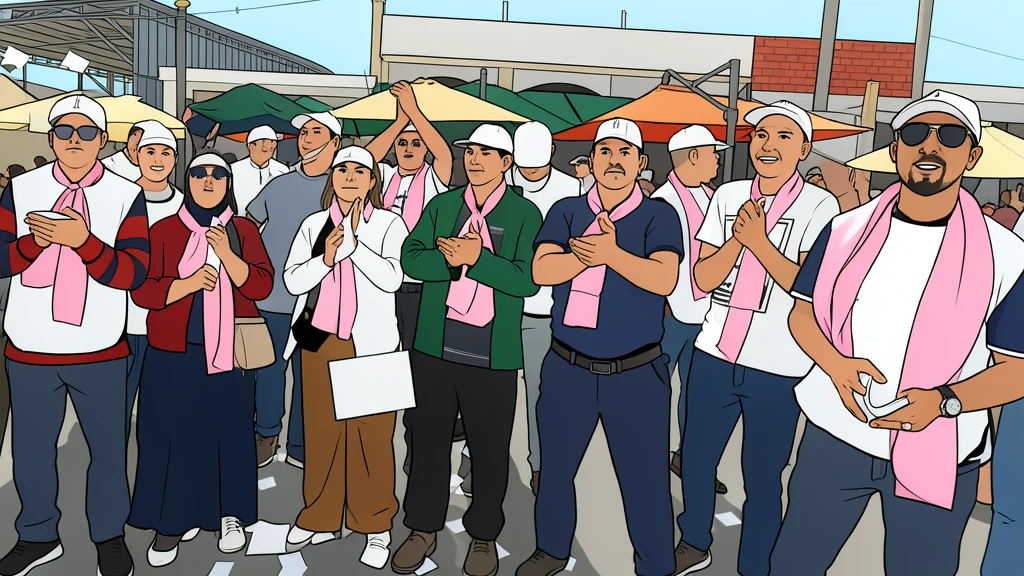
Moroccan political parties are intensifying street and digital outreach to engage 15.8 million voters ahead of the September 23 legislative election.
Key points
- Twenty-seven parties are competing for 395 seats in Morocco's upcoming September 23 legislative election.
- Campaigns combine street-level mobilization in markets with digital strategies to reach 15.8 million registered voters.
- High youth unemployment at 37.3 percent and rising living costs are the primary issues debated by candidates.
Political parties across Morocco are escalating their campaign efforts ahead of the legislative elections scheduled for September 23. The vote will determine the composition of the 395-seat House of Representatives, a critical step in selecting the country’s next government. Twenty-seven registered parties are currently competing in a crowded field, seeking to secure influence over future policy directions.
According to Al Jazeera English, the campaign is being conducted through a blend of traditional street-level mobilization and digital engagement. With high youth unemployment and rising living costs dominating public discourse, parties are striving to connect with 15.8 million registered voters. Candidates are navigating crowded market streets and using loudspeakers to capture attention, while simultaneously maintaining a presence on social media platforms.
Street tactics drive voter engagement
Campaign managers describe a structured approach to physical outreach, often mapping out neighborhoods where citizens naturally gather. Al-Wali al-Shtouki, a campaign manager for the Justice and Development Party, explained that teams divide tasks between direct communication and recording citizen feedback. This method allows parties to distinguish between local grievances and broader parliamentary issues, guiding their daily operations based on real-time observations from the field.
Jawad al-Shafdi, head of the Moroccan Observatory for Political Participation, noted that local networks and candidate reputation often outweigh formal party structures in determining electoral success. He argued that the true measure of a campaign is its ability to convert organizational activity into actual votes and seats. This suggests that personal relationships and local extension play a pivotal role in the Moroccan electoral landscape, particularly in districts with strong community ties.
Digital channels complement physical presence
To reach a broader audience, political groups are adopting multi-channel strategies that balance offline outreach with digital campaigns. Fatima al-Tamni, a candidate for the Left Alliance in Casablanca, emphasized the importance of direct dialogue over superficial slogan-based displays. She advocated for a campaign style that prioritizes listening to voter concerns regarding transport, housing, and pollution, rather than merely broadcasting political messages from a position of authority.
The integration of digital tools allows parties to maintain continuous engagement with constituents who may not attend physical headquarters. This hybrid approach aims to capture the attention of younger voters, a demographic facing significant economic pressures. By combining face-to-face interaction with online communication, parties hope to build trust and demonstrate responsiveness to the specific needs of their communities.
Economic concerns shape the agenda
The election takes place against a backdrop of significant economic challenges, including high youth unemployment, which stands at 37.3 percent for those aged 15 to 24. Rising living costs and pressure on public services are central topics in campaign debates. Candidates are positioning their platforms around these issues, attempting to offer concrete solutions to the daily struggles faced by many Moroccans.
As the vote approaches, the focus remains on how parties translate their organizational efforts into electoral support. The outcome will likely reflect the balance between national party brands and local candidate strength. Observers will watch closely to see which strategies prove most effective in converting voter interest into parliamentary seats, setting the stage for the next government's priorities.