Nigeria Media Groups Launch Election Integrity Initiative
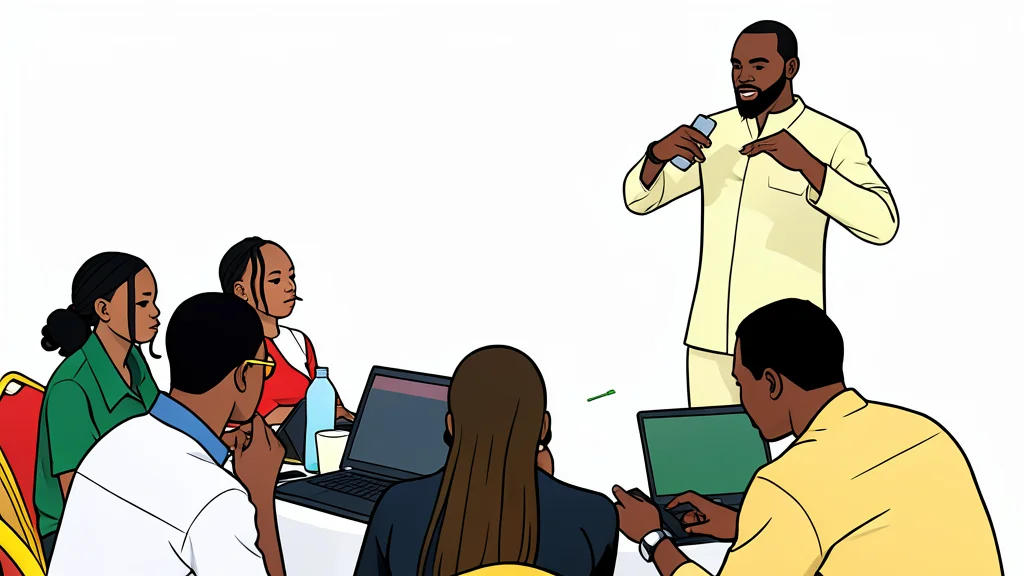
FactCheckAfrica and Wikimedia Nigeria convened a Lagos seminar to strengthen digital verification skills ahead of the 2027 polls.
Key points
- FIAP, FactCheckAfrica, and Wikimedia Nigeria held a Lagos seminar to counter disinformation ahead of the 2027 elections.
- Participants in the edit-a-thon created seven new Wikipedia articles and added approximately 17,400 words to existing entries.
- The initiative aims to establish a cross-professional workflow for verifying information and improving digital media literacy.
A coalition of media professionals and digital advocates has intensified efforts to safeguard information integrity in Nigeria ahead of the 2027 general elections. According to The Guardian Nigeria News, the Fundación para la Internacionalización de las Administraciones Públicas (FIAP), acting through its partner FactCheckAfrica, collaborated with Wikimedia Nigeria to address rising concerns over digital disinformation. These groups argue that the increasing influence of social media and artificial intelligence poses a significant challenge to democratic participation and public trust in West Africa.
The initiative centered on a three-day interactive seminar held in Lagos, bringing together journalists, editors, and fact-checkers. The primary objective was to equip these professionals with the tools necessary to counter misinformation and mal-information. By fostering a shared workflow across different sectors of the information ecosystem, the organizers aim to create a coordinated response mechanism for the upcoming electoral cycle.
Building Cross-Professional Verification Workflows
Abideen Olasupo, founder of FactCheckAfrica, framed electoral integrity as a core information integrity challenge. He emphasized that citizens require access to accurate, verifiable, and context-rich information to make informed democratic choices. The seminar sought to bridge the gap between traditional journalism and open-source platforms by introducing specific newsroom templates for integrating verified content. These resources are designed to support sensitive interviews and ensure that reporting remains rigorous and reliable.
Participants engaged in rigorous analysis of information disorder, examining how to assess sources and identify reliable evidence. The program included training on digital investigation and open-source verification techniques. By dissecting the fundamentals of fake news and its implications for peaceful elections, the group aimed to establish durable resources that can be applied long after the training concludes.
Immediate Outputs on Digital Platforms
The theoretical training was paired with a practical Wikipedia edit-a-thon, allowing participants to apply their skills immediately. According to the Wikimedia Outreach Dashboard, the seminar generated significant activity across digital platforms. Editors created seven new articles and edited fifty-two existing ones, recording a total of 296 edits. This hands-on approach demonstrated how fact-checkers and journalists can directly improve the accuracy and sourcing of election-related content.
The effort resulted in the addition of approximately 17,400 words and 170 references to Wikipedia articles. Additionally, nine files were uploaded to Wikimedia Commons, with three of these assets being integrated into articles. These quantitative outputs highlight the tangible impact of the seminar in enhancing public-interest documentation and providing a more robust knowledge base for future reference.
Preparing for Electoral Challenges
The collaboration extends beyond immediate content creation, focusing on long-term capacity building. Participants explored the FactCheckAfrica corpus to identify recurring narratives and information gaps. This analysis helps pinpoint areas of public knowledge that require further documentation and scrutiny. By integrating these insights into their daily practices, media professionals are better positioned to detect and debunk misleading claims as the 2027 election cycle approaches.
As digital technologies continue to evolve, the need for robust verification frameworks becomes increasingly critical. The coordinated response seeded by this seminar aims to ensure that the information ecosystem remains resilient against manipulation. Watch for how these newly developed workflows and templates are deployed in newsrooms and on digital platforms in the lead-up to the general elections.