Trump Defends Iran War and Peacemaker Role at UN
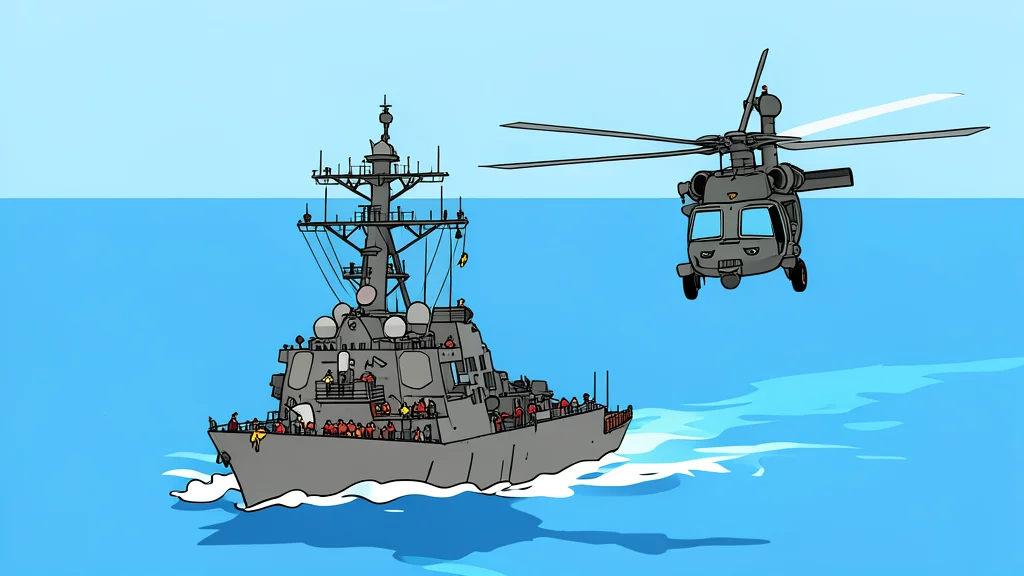
G7 nations urge Houthi ceasefire as diplomatic tensions rise in New York and Gulf energy routes face disruption.
Key points
- G7 foreign ministers condemned Houthi attacks on Saudi Arabia and urged Iran to cease support for the group.
- France is prepared to help secure Saudi energy infrastructure in a strictly defensive role.
- Iran has demanded an end to the war and release of frozen funds as conditions for renewed talks.
President Donald Trump is set to address the United Nations General Assembly on Tuesday, where he intends to defend his administration’s military campaign against Iran while simultaneously emphasizing his diplomatic efforts in the region. According to Gulf News, this speech comes at a critical juncture, with Washington and Tehran locked in a prolonged conflict and mediators attempting to revive stalled negotiations. The timing underscores a complex diplomatic landscape where military pressure and diplomatic overtures are advancing in parallel.
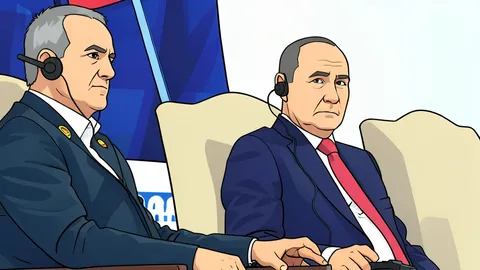
Diplomatic activity has intensified in New York, with Iranian Foreign Minister Abbas Araghchi arriving for the annual gathering after consultations in Doha. President Masoud Pezeshkian is also expected to attend, raising the possibility of a direct encounter with the U.S. president. U.S. Ambassador Mike Waltz stated that Trump remains open to a deal, signaling a willingness to engage despite the ongoing standoff and the economic disruptions caused by the closure of the Strait of Hormuz.
G7 condemns Houthi strikes
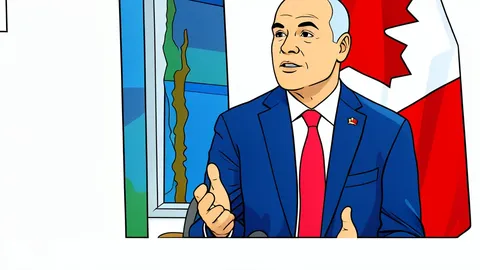
Foreign ministers from the G7 nations issued a joint statement on Monday condemning the continued attacks from Yemen against Saudi Arabia. The group, including the United States, Canada, France, Germany, Italy, Japan, and the United Kingdom, called on the Iran-backed Houthis to immediately cease all military actions and threats against civilian shipping. They also urged Iran to end its support for the group, alleging violations of past United Nations Security Council resolutions.
Energy infrastructure under threat
The conflict has resulted in significant economic damage, particularly regarding energy exports. Attacks on facilities in the Red Sea port city of Yanbu and drone strikes from Iraq have forced the shutdown of the East-West Pipeline, a crucial route for Saudi crude oil. France has indicated readiness to contribute to securing Saudi energy infrastructure in a strictly defensive capacity, aiming to protect these vital assets without engaging directly in the broader conflict.
Diplomatic conditions for renewed talks
Iran has conveyed specific conditions for resuming negotiations through Qatari channels. These demands include an end to the war, the release of frozen Iranian funds, and the lifting of the naval blockade. Additional reported conditions involve guarantees against new sanctions and arrangements concerning the Strait of Hormuz. As Trump prepares to speak, observers note that the outcome of these diplomatic maneuvers will likely determine the trajectory of regional stability in the coming months.