Leaked Document Reveals Russia-Iran Sanctions Strategy
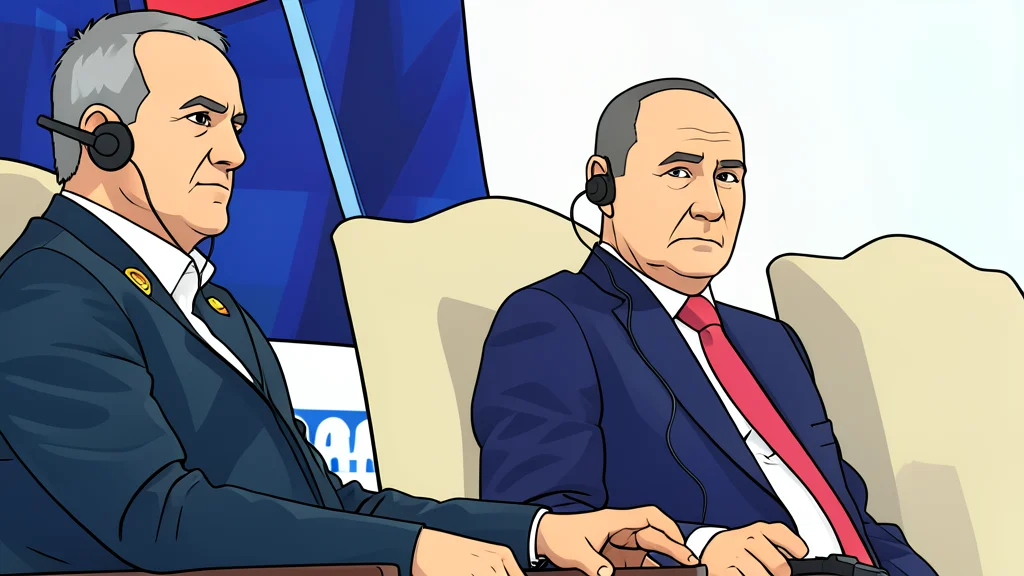
A 44-page Russian government plan outlines steps to bypass Western financial controls via digital currencies and independent messaging systems.
Key points
- A 44-page Russian document outlines a 2024-2026 plan to deepen economic ties with Iran.
- The strategy aims to raise national-currency trade share to 71% and develop digital payment systems.
- The plan includes nuclear cooperation, energy projects, and independent financial messaging channels.
A non-public Russian government document reveals a structured effort to deepen economic and strategic ties with Iran, specifically designed to withstand Western sanctions. The 44-page roadmap, approved in September 2024, assigns specific responsibilities to Russian ministries and state agencies for projects extending through 2026. According to a report by Fox News Digital, the plan details initiatives ranging from alternative financial channels to nuclear cooperation and energy projects.
Financial architecture bypasses western controls
The core of the strategy involves creating financial redundancy to reduce reliance on the US-dominated dollar system. The document directs the Bank of Russia and the Central Bank of Iran to develop central bank digital currencies for cross-border payments. It also aims to increase the share of bilateral trade conducted in national currencies from 68% in 2024 to 71% by 2026, while expanding correspondent banking accounts denominated in those currencies.
Officials have confirmed progress in this area. In early 2025, Russian Deputy PM Alexei Overchuk stated that bilateral settlements had practically shifted entirely to national currencies using independent messaging systems. Iran’s ambassador to Russia noted that the two nations no longer require SWIFT for banking relationships, citing the use of confidential proprietary systems. The integration of Iran’s Shetab payment network with Russia’s Mir system was reported to have begun its first phase.
Strategic goals extend beyond finance
While financial decoupling is central, the plan encompasses broader strategic cooperation. It includes provisions for nuclear technology exchanges, oil and gas development, and the production of aircraft components within Iran. Additionally, the roadmap calls for new rail and shipping links to enhance logistical connectivity. According to analysis by the Foundation for Defense of Democracies, these elements collectively aim to remove single points of vulnerability in the bilateral relationship.
Context of emerging geopolitical conflicts
The roadmap was drafted before the recent escalation involving Iran and the United States, meaning it does not reflect changes in policy due to that specific conflict. However, reviewers note that the underlying architecture of the relationship was already designed to mitigate the impact of Western economic pressure. A European intelligence source described the plan as covering areas intended to evade US sanctions, highlighting a long-term strategy rather than a reactive measure. As noted in reporting by indiatimes.com, the focus remains on building a resilient, sanctions-proof framework for bilateral engagement.