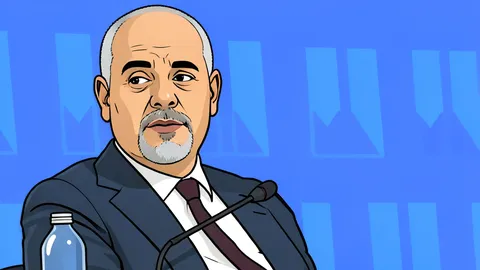
Czech Chief Warns of Potential NATO Attack Within Months
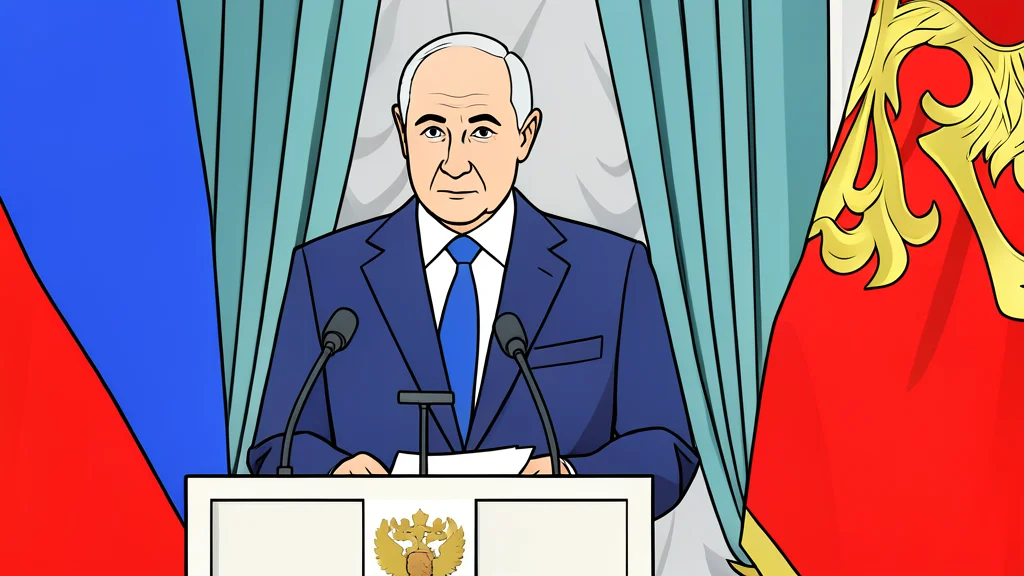
European security chiefs warn Moscow may test NATO resolve with limited strikes, though officials note no concrete plans are yet visible.
Key points
- Czech security chief Michal Koudelka warns of a possible Russian provocation against NATO within months.
- Polish PM Donald Tusk fears Moscow may use a false-flag incident to undermine Article 5 solidarity.
- Latvian officials state no concrete attack plan is visible but note a shift in Western trust in Baltic warnings.
European intelligence leaders are issuing a heightened warning that Russia could attempt to provoke a conflict with NATO in the coming months. According to The Daily Beast, Czech security chief Michal Koudelka stated that Moscow is considering options ranging from drone strikes to small-scale incursions, a timeline he described as a matter of months rather than years.
While Latvian security director Normunds Mežviets noted that no imminent attack has been detected, he acknowledged signs of aggressive plotting. This caution comes as tensions rise following a significant drone attack on the Moscow region, which Ukrainian officials believe was Kyiv’s largest single assault on Russian territory since the war began.
Strategic calculations behind potential provocations
Analysts suggest that any such move would be designed to test the limits of Article 5, the NATO treaty clause that mandates a collective defense response. Polish Prime Minister Donald Tusk warned that Moscow might use an alleged "accident" to weaken alliance cohesion, aiming to convince member states that the treaty is more theoretical than practical.
Recent diplomatic efforts have focused on preventing such escalation. It was reported that CIA Director John Ratcliffe traveled to Moscow via Latvia to warn Russian officials against unprovoked attacks. The Kremlin confirmed the meeting with intelligence officials but denied that Ratcliffe had an audience with President Vladimir Putin.
Western responses and public calm
Despite the urgent internal warnings, public communication has aimed to maintain stability. Estonian Foreign Minister Jonatan Vseviov urged citizens to remain calm and avoid spreading panic on social media. He emphasized that if there were a genuine reason to fear an attack, authorities would communicate it clearly and directly.
Mežviets highlighted a shift in how Western partners perceive Baltic security assessments. He noted that before the 2022 invasion, warnings from regional security services were often dismissed, but the conflict has validated the long-held concerns of Baltic and Polish officials regarding Russian intentions.
Monitoring indicators for further escalation
The situation remains fluid, with intelligence services continuing to monitor Russian military movements and diplomatic channels. Observers will watch for any further unauthorized cross-border incidents or changes in NATO posture. The coming weeks will likely determine whether these warnings are preemptive measures or indicators of imminent action.