NACA Advances HIV Response Through Rights and Gender Training
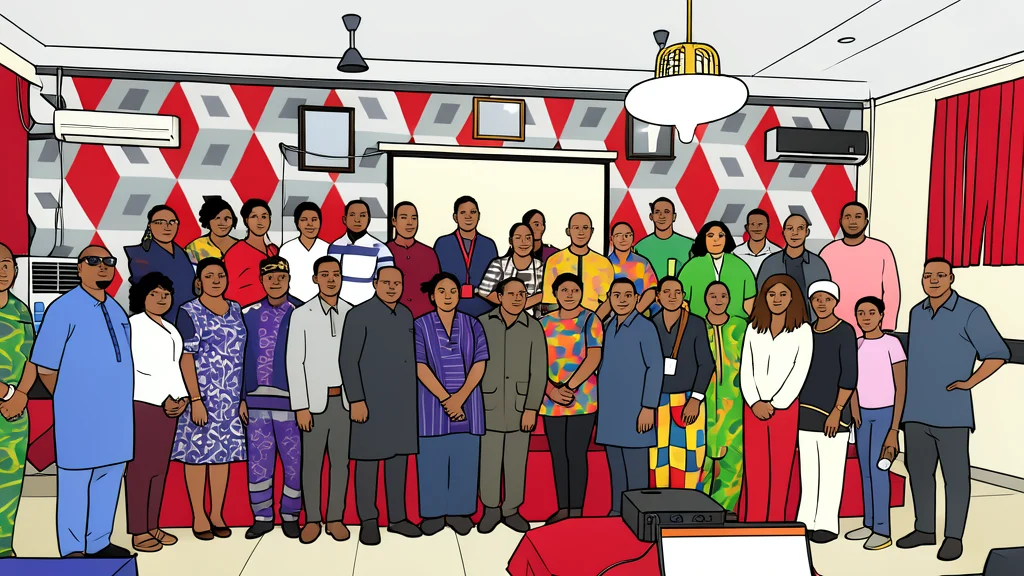
A week-long initiative in Calabar seeks to align public health strategies with human rights standards, focusing on the protection of vulnerable populations in Cross River State.
The National Agency for the Control of AIDS has concluded a series of capacity-building sessions in Cross River State aimed at integrating human rights and gender perspectives into local HIV response efforts. According to reports from Cross River State News, the initiative brought together a wide array of stakeholders, including state agencies, law enforcement bodies, and community representatives. The primary objective was to equip these actors with the tools necessary to identify systemic gaps and improve the delivery of services to vulnerable groups.
Held at a conference facility in Calabar, the training emphasized the intersection of public health and legal literacy. Participants engaged with self-assessment frameworks designed to evaluate how effectively their organizations address discrimination and harassment. This approach reflects a broader shift in health governance, where the protection of individual rights is viewed not as an ancillary concern but as a central component of effective disease management and community trust.
Aligning Legal Literacy With Health Services
A significant portion of the curriculum focused on legal literacy, ensuring that stakeholders understand the rights of citizens and the mechanisms available for redress. Dr. Charles Iwara, Director-General of the Cross River State Agency for the Control of AIDS, highlighted that understanding legal frameworks is essential for protecting those who seek care. He noted that the Human Rights and Gender Response Team serves as a critical mechanism for assessing institutional performance and identifying areas where interventions may be failing to meet the needs of marginalized populations.
Remijus Ajuga, the Human Rights Director, further explained that the training introduced specific tools for self-assessment regarding gender and human rights. These instruments allow organizations to measure their responsiveness to issues such as victimization and discrimination. By formalizing these assessments, the agency aims to move beyond ad hoc responses and establish consistent, evidence-based practices that safeguard the dignity of patients and community members alike.
Addressing Barriers in Justice Access
Discussions during the sessions revealed significant barriers that vulnerable populations face when attempting to access justice and healthcare. Participants examined various forms of discrimination, including those based on gender, religious affiliation, disability, and HIV status. The training specifically addressed the concepts of direct, indirect, and systemic discrimination, recognizing that these barriers often operate simultaneously and compound the difficulty of accessing essential services for HIV, tuberculosis, and malaria.
Maurice Bisong, speaking on behalf of the Nigeria Police Force, acknowledged the institution's responsibility to protect citizens regardless of their social status. He stated that the knowledge gained from the training would assist law enforcement in better understanding the human rights dimensions of their work. This commitment is crucial in ensuring that complaints from vulnerable individuals are taken seriously and addressed without bias, thereby strengthening the link between public safety and public health.
Commitment to Collaborative Protection Frameworks
The initiative placed strong emphasis on the prevention of sexual exploitation, abuse, and harassment within health settings. Favour Iyamu of NACA explained that creating safe environments is a prerequisite for effective service delivery. When individuals fear harassment or discrimination, they are less likely to seek testing or treatment, which undermines broader epidemic control efforts. By training staff and partners on these protocols, the agency aims to foster a culture of accountability and respect.
Going forward, the success of this training will depend on the sustained collaboration between government agencies, development partners, and community networks. Stakeholders have committed to applying the lessons learned in their daily operations, with a particular focus on reaching those who are most often excluded from mainstream health services. The next phase of this response will likely involve monitoring the implementation of these new protocols and evaluating their impact on the well-being of vulnerable populations in the region.