Sudan Health System Faces Collapse Amid War
Medical professionals warn that infrastructure destruction and environmental degradation are driving a public health crisis across conflict-affected regions.
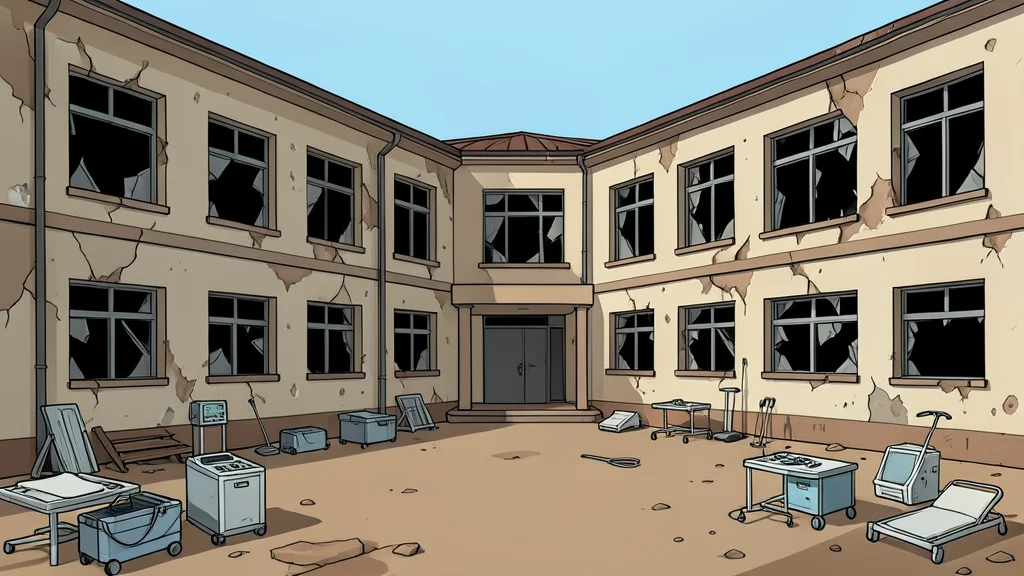
The medical infrastructure in Sudan is approaching a point of total failure, according to a recent assessment by the Preparatory Committee of the Sudanese Doctors’ Union. The committee presented findings at the 63rd session of the UN Human Rights Council in Geneva, describing conditions in Khartoum, Omdurman, and Gezira state as catastrophic. This report, tracked by Dabanga Radio TV Online, highlights how the ongoing war has dismantled essential health services and created an environment ripe for disease outbreaks.
Dr. Adiba Ibrahim El-Sayed, a spokesperson for the committee, noted that key diagnostic facilities, including the National Public Health Laboratory and university-affiliated labs, have been destroyed. The loss of these institutions has severely hampered the ability to monitor and respond to epidemics. The committee stated that their participation in the Geneva sessions was designed to pressure both the Sudanese army and the Rapid Support Forces to pursue peace, asserting that the current security situation makes effective healthcare delivery impossible.
Environmental Collapse Fuels Disease
Deteriorating environmental conditions are acting as a primary driver for the spread of illness. Accumulated war debris, decomposing bodies, and contaminated water sources have created breeding grounds for vectors such as mosquitoes and flies. Prolonged power outages have further exacerbated the situation by disrupting water treatment and sanitation systems. The committee warned that the inability to disinfect affected areas has allowed infections to rise, even in regions previously considered relatively safe from direct combat.
Vulnerable Populations Face Acute Risks
Internally displaced persons and refugees are experiencing some of the most severe consequences of the crisis. Pregnant women, breastfeeding mothers, and children in shelters face critical shortages of food, vaccines, and basic medical care. The report also documented widespread sexual violence against young men and women, noting that survivors often face social stigma and a lack of psychological support. Without immediate intervention, these individuals risk long-term trauma and severe health complications, including suicide and sexually transmitted infections.
Targeting of Medical Personnel
Health workers continue to face significant threats, including arrests, assaults, and killings while performing their duties. The absence of security for medical staff has led to a mass exodus of doctors from conflict zones, leaving the few remaining hospitals understaffed and overwhelmed. Essential medicines are in short supply, and the capacity to treat patients is shrinking. The committee emphasized that while international organizations and the federal health ministry are attempting to respond, their efforts remain insufficient compared to the scale of the humanitarian need.