US-China Summit Focuses on Minerals and AI Risks

High-level diplomatic talks between Washington and Beijing are underway, centering on strategic resource access and the rapid evolution of artificial intelligence.
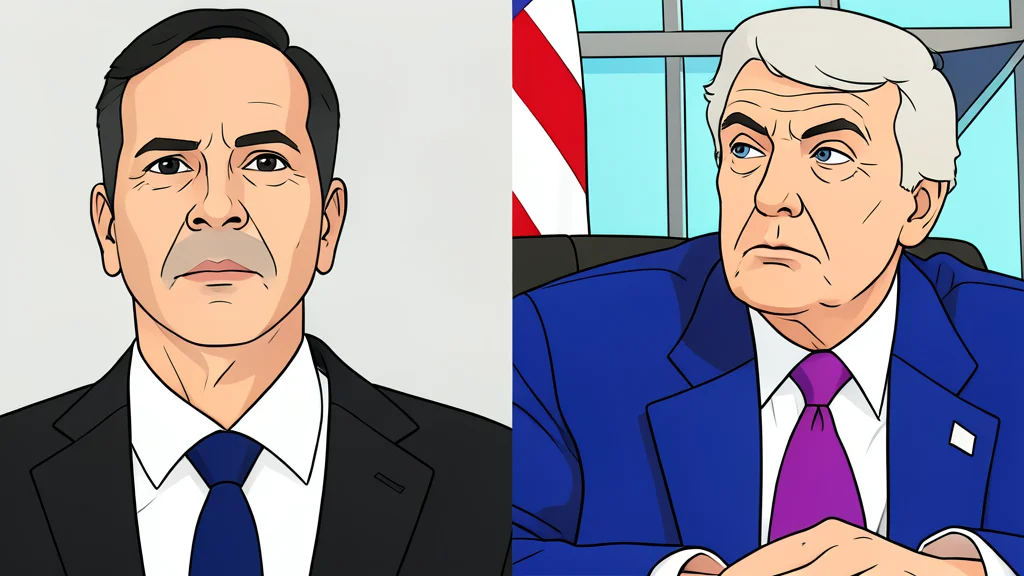
President Donald Trump is preparing to host Chinese President Xi Jinping for a significant state visit in Washington. This high-stakes meeting represents a critical opportunity for diplomatic engagement between the world’s two largest economies. The discussions are expected to address pressing geopolitical issues, including the management of technological risks and the strategic importance of critical minerals in global supply chains.
According to FOX News Radio, the summit coincides with growing concerns among technology leaders regarding the rapid development of artificial intelligence. Lawmakers and policy experts are debating how to navigate the catastrophic risks associated with advanced AI while ensuring that the United States does not fall behind geopolitical rivals. The dialogue reflects a complex balance between national security imperatives and the competitive dynamics of the global tech sector.
Strategic Minerals and Supply Chain Security
Michael Allen, Managing Director at Beacon Global Strategies, joined the discussion to analyze the implications of the upcoming summit. He highlighted the central role that critical minerals play in modern industrial and military capabilities. The availability of these resources has become a focal point in US-China relations, as both nations seek to secure stable supply lines for technologies essential to national defense and economic growth.
The conversation also touched upon the broader context of military intelligence sharing and how it factors into the bilateral relationship. According to Allen, the summit provides a platform to address these sensitive issues directly. The goal is to establish frameworks that mitigate tensions while fostering necessary cooperation in areas where mutual interests align, such as economic stability and technological innovation.
Congressional Debate on AI Regulation
In a separate segment of the broadcast, Congressman Jay Obernolte, Chair of the bipartisan House Task Force on AI, provided insights into the legislative landscape. He discussed the challenges Congress faces in formulating realistic regulations for artificial intelligence. Obernolte emphasized the need for a balanced approach that addresses safety concerns without stifling innovation or granting competitors an advantage.
Obernolte described himself as an "AI optimist," arguing that the potential benefits of the technology far outweigh the risks if managed correctly. He suggested that the upcoming US-China summit could serve as a backdrop for broader discussions on international norms and standards for AI development. The legislative debate continues to evolve as policymakers weigh the implications of rapid technological change on national security and economic competitiveness.
Forward-Looking Diplomatic Implications
As the summit approaches, observers are watching for signals of cooperation or continued friction between Washington and Beijing. The outcomes of these discussions will likely influence future trade policies, defense strategies, and technological collaborations. The ability of both nations to manage their differences while pursuing shared interests will be a key indicator of the broader trajectory of US-China relations in the coming years.
The focus on critical minerals and AI risks underscores the interconnected nature of modern geopolitical challenges. Stakeholders are closely monitoring the negotiations to understand how they will shape the global order. The coming weeks will provide crucial insights into the depth of engagement and the potential for sustained dialogue between the two powers.