Development as a Human Right: Beyond Charity to Equity
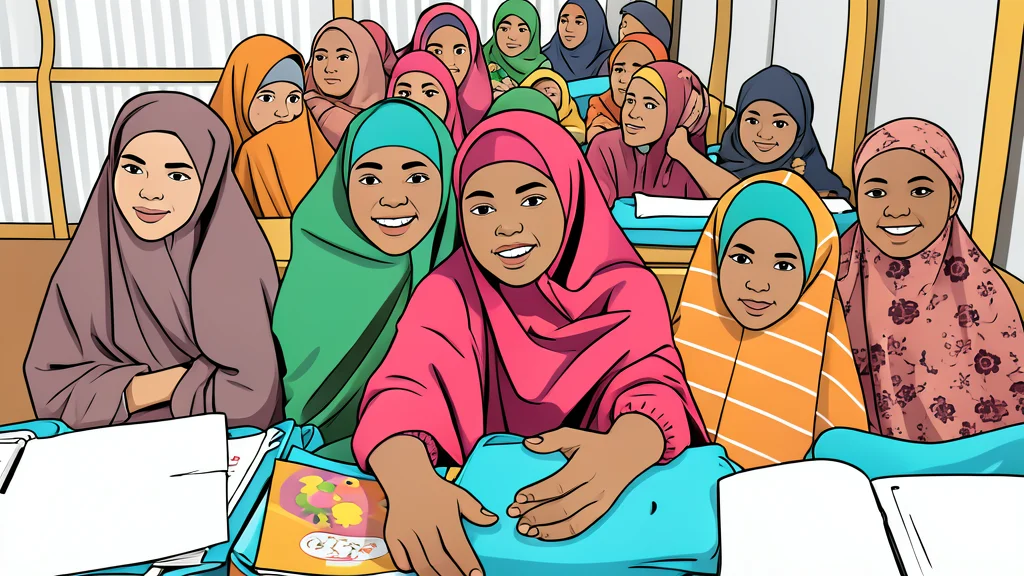
The United Nations frames development not as an economic metric but as a fundamental human right, emphasizing that equitable participation and resource sovereignty are essential for a fairer global order.
Two children born in the same year may face vastly different futures depending on the stability and resources of their respective nations. One might grow up with access to functional schools and fair elections, while the other faces poverty, conflict, or climate instability. The United Nations views this disparity not merely as an unfair outcome, but as a violation of a specific, recognized human right. This perspective shifts the global conversation from viewing development as a distant goal or a charitable act to understanding it as an inherent entitlement belonging to every individual and community.
According to UN News, the right to development was codified in 1986, defining it as an inalienable right that encompasses economic, social, cultural, and political dimensions. It is not just about GDP growth; it is about ensuring that people can participate in, contribute to, and enjoy the fruits of development. This framework asserts that individuals have sovereignty over their own natural wealth and resources, challenging the notion that development is primarily the domain of statecraft or international aid, and instead placing agency and equity at the center of the discourse.
The Gap Between Wealth and Rights
The urgency of this right is underscored by stark data on global inequality. The World Inequality Report 2026, supported by the UN Development Programme, highlights that half of the world’s poorest population owns only two percent of global wealth. In contrast, the wealthiest 0.001 percent of the population holds three times more wealth than all those impoverished individuals combined. This concentration of assets represents the widening inequality within and among countries that the UN’s human rights office identifies as the primary target of the right to development. The disparity suggests that current global economic structures are failing to distribute the benefits of growth fairly, leaving significant portions of the human population marginalized.
The UN emphasizes that this right is about enablement and empowerment, not charity. Over the past eight decades, economic growth has not been shared equally, and this imbalance fuels broader social issues such as poverty, unrest, and mistrust in institutions. The principles underpinning this right include people-centered development, meaningful participation in decision-making, and non-discrimination based on race, sex, language, or religion. These standards aim to ensure that development is a collective process where communities are active subjects rather than passive beneficiaries, fostering a sense of ownership and control over their own destinies.
Practical Implications and Local Outcomes
When these principles are applied, the impact on local communities can be tangible and positive. In Morocco, vocational training programs are enabling women to launch income-generating activities, shifting them from dependence to economic agency. In Colombia, indigenous groups have played a role in the country’s peace accords, demonstrating how participation in political processes can lead to more sustainable resolutions. Similarly, communities in Afghanistan, India, and Palestine have adopted models for sharing resources fairly, reducing competition and fostering cooperation. These examples illustrate that the right to development is not an abstract legal concept but a practical framework for improving livelihoods and social cohesion.
Conversely, the exclusion of people from development processes leads to concrete harm. In Kenya, the Endorois community, who had lived around Lake Bogoria for centuries, were excluded from decisions to convert their land into a game reserve. Denied consultation and a fair share of the benefits, they lost their grazing pastures, resulting in significant loss of livelihood and cattle. This case highlights how the absence of equitable development can destroy traditional ways of life. The right to development serves as a check against such exclusions, demanding that those affected by large-scale projects or policies have a voice and a stake in the outcomes.
Barriers to Global Implementation
Despite the moral clarity of the right to development, its implementation faces significant hurdles. Disagreement among states over binding obligations, weak international cooperation, and a lack of political will continue to hold back progress. The Declaration on the Right to Development, while agreed upon by UN member states, is not a legally binding treaty, which limits the ability to enforce compliance. This gap between aspiration and reality is evident in global crises, such as the unequal access to vaccines during the pandemic, where developing countries were left behind, leading to preventable deaths. The failure to address these disparities is not just an economic issue but a profound moral failing.
Today, the relevance of the right to development is heightened by overlapping global crises, including climate shocks, conflict, and immigration. These factors are contributing to worsening poverty and inequality, making the case for equity more urgent than ever. As the world grapples with these interconnected challenges, the focus on equity rather than charity offers a more sustainable path forward. The next steps will likely involve renewed diplomatic efforts to strengthen international cooperation and ensure that development policies are inclusive, participatory, and equitable, addressing the root causes of inequality rather than merely their symptoms.