Nigeria Air Force Expands Desert Strikes to Counter Militant Mobility
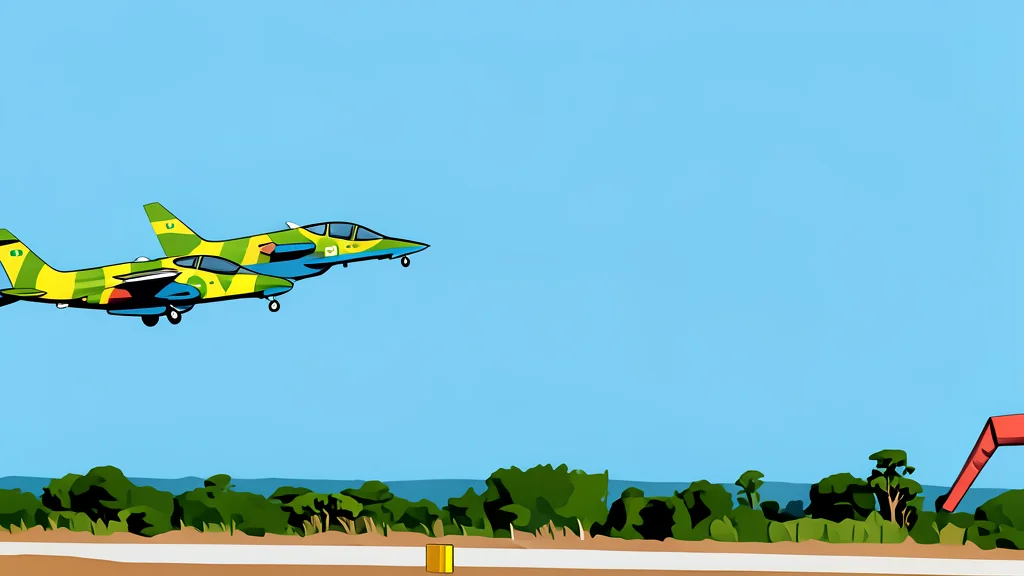
Experts caution that aerial strikes alone cannot defeat terrorist groups, urging tighter integration with ground units for lasting impact.
Key points
- Nigerian Air Force increases aerial presence over Sokoto State to support joint security operations against militants.
- Experts warn that airstrikes alone are insufficient, urging better integration with ground forces to prevent insurgent regrouping.
- Vast terrain in the Sahel allows insurgents to evade static security structures, necessitating faster intelligence-to-action cycles.
The Nigerian Air Force has intensified its aerial operations over Sokoto State, citing the need to disrupt militant movements in difficult terrain. According to officials, this increased presence is designed to support joint security efforts and limit the freedom of action enjoyed by armed groups in the region.
While air power has demonstrated effectiveness in weakening the cohesion of terrorist organizations, analysts warn that it is not a standalone solution. Reports from Africa Defense Forum highlight that strikes can degrade operational capacities, but sustained pressure requires a comprehensive strategy that includes robust ground engagement.
Aerial strikes disrupt militant coherence
Researcher Viktor Marsai noted that campaigns in Somalia and northwest Nigeria have forced groups like al-Shabaab to alter their communication patterns and disperse leadership gatherings. In the Lake Chad Basin, airstrikes against camps in Lakurawa reportedly shocked fighters who had previously felt secure from aerial targeting. These incidents suggest that air power can significantly weaken a group's operational structure, even if it does not result in a total defeat.
Structural gaps hinder ground integration
Retired Major General Fatai Alli argues that there is a critical disconnect between intelligence gathering and ground response capabilities. He points out that in the vast Sahel region, such as the Liptako Gourma area, insurgents can move freely across hundreds of thousands of square kilometers. Without rapid ground support to exploit air-delivered strikes, militants often disperse and regroup, rendering the initial aerial impact temporary.
Alli emphasizes that current command-and-control structures are often too slow to act on intelligence, leaving frontline units isolated. He advocates for better integration of intelligence, surveillance, and reconnaissance assets with mobile ground forces to close this structural gap and create a more responsive security architecture.
Modernization and coordination priorities
Nigerian Air Force leadership states that their objective is to deny hostile elements freedom of movement while creating conditions for surface forces to consolidate gains. Air Marshal Sunday Aneke stressed the importance of acting on intelligence quickly and coordinating with sister services. The force aims to employ air power intelligently and decisively, while maintaining strict regard for civilian safety during these expanded operations.