South Sudan Sets December Elections Amid Civic Space Concerns
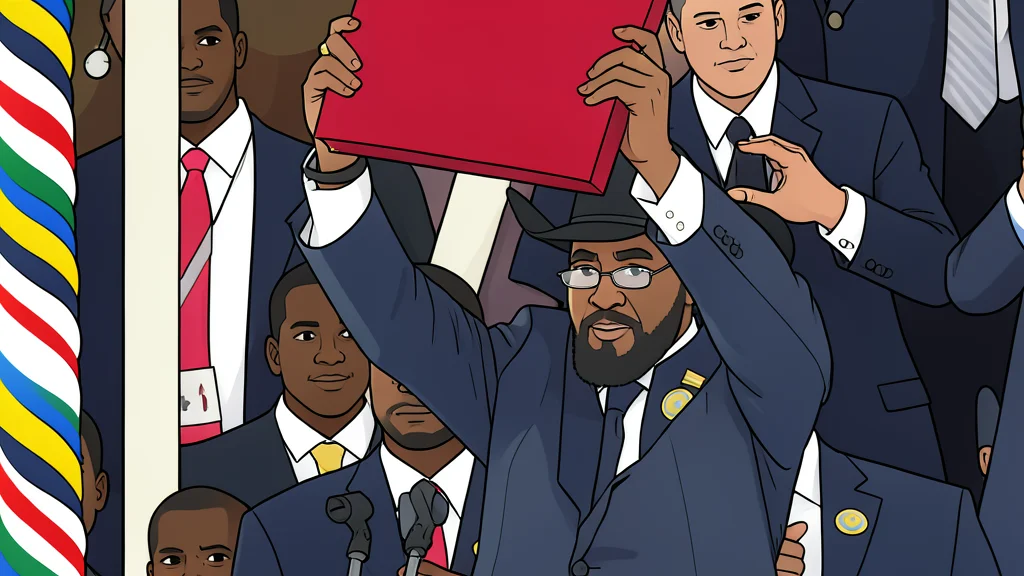
As South Sudan prepares for its first national elections in December, Amnesty International urges authorities to safeguard free expression and assembly.
Key points
- South Sudan plans its first national elections for December 22, 2026, following the dissolution of the transitional government.
- Recent legal amendments allow the president to retain full powers during the electoral period and defer a national census.
- Amnesty International urges the government to protect freedom of expression and assembly to ensure a legitimate vote.
South Sudan is moving toward its first-ever national elections, scheduled for December 22, following the recent dissolution of the Revitalized Transitional Government of National Unity. This milestone occurs against a backdrop of significant legal and political shifts that have altered the framework for electoral participation.
Amnesty International has called on the government to ensure a conducive environment for voting, emphasizing that the legitimacy of the process depends on the ability of citizens to exercise their rights freely and safely. The organization highlights the need to prevent arbitrary restrictions and discrimination ahead of this historic event.
Legal Changes Alter Electoral Framework
In September, President Salva Kiir Mayardit signed the National Elections Act Amendment Bill, which allows him to retain full constitutional powers during the electoral period. This legislative move authorized the dissolution of the transitional government, a step that consolidates executive authority just before the vote.
Earlier in July, amendments to the 2018 peace agreement were enacted, removing key preconditions for elections. These changes deferred critical steps such as a national population census and the adoption of a permanent constitution until after the voting process, raising questions about the procedural foundation of the upcoming polls.
International Warnings on Human Rights
The UN Commission on Human Rights in South Sudan issued a warning in August that elections without adequate safeguards could exacerbate tensions. According to the commission, such conditions may fuel renewed conflict and increase the risk of serious human rights violations, including potential atrocity crimes.
Amnesty International’s Regional Director for East and Southern Africa, Tigere Chagutah, stated that authorities must immediately guarantee freedoms of expression, association, and peaceful assembly. The report notes a history of documented repressive tactics used to silence dissent and restrict the rights of journalists and civil society actors.
Focus on Political Participation
The organization stresses that the right to stand for election and to vote must be exercised without fear of intimidation. It calls for an end to the detention of critics and the removal of disproportionate barriers that hinder public participation in political affairs.
As the date approaches, observers will likely monitor the treatment of political opponents and media outlets. The extent to which these groups can operate freely will be a key indicator of whether the electoral environment meets international standards for fairness and inclusivity.