US, Denmark, and Greenland Sign Arctic Security Pact

Washington secured new military rights in Greenland while blocking non-NATO states from sensitive sectors, according to a 10-page agreement signed in New York.
Key points
- US, Denmark, and Greenland signed a 10-page pact granting Washington control over security in the autonomous territory.
- The agreement blocks non-NATO and non-EU states from accessing sensitive sectors or gaining influence in Greenland.
- US President Trump praised the alliance's move to raise defense spending targets to 5% of GDP.
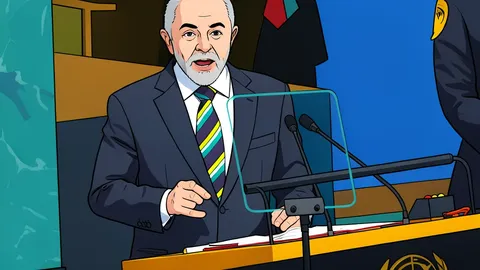
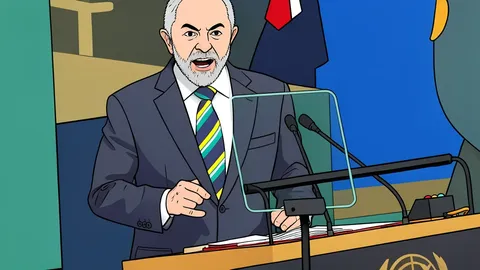
The United States, Denmark, and Greenland have signed a comprehensive security agreement that grants Washington expanded control over strategic infrastructure in the Arctic. The accord, finalized on the sidelines of the UN General Assembly in New York, represents a significant shift in the geopolitical landscape of the region, as it formalizes US military presence while explicitly restricting the influence of rival powers.
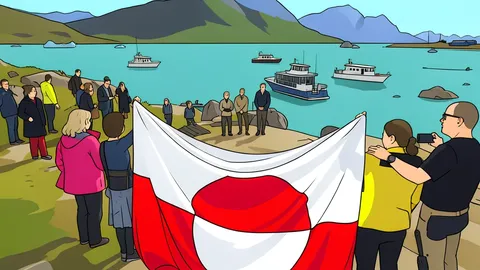
According to the Hindustan Times, the deal reaffirms the sovereignty of the Kingdom of Denmark and recognizes Greenland’s right to self-determination. However, it simultaneously allows the US to establish new military installations in Narsarsuaq and Mestersvig, supplementing the existing Pituffik base in the north. This move aligns with broader US efforts to secure Arctic shipping lanes and resources against perceived threats from China and Russia.
Strategic restrictions on non-NATO actors
A central component of the agreement is a clause designed to prevent states outside the NATO and EU blocs from gaining a foothold in the territory. The text states that non-member nations or investors are barred from holding control, significant influence, or access to non-public information in sensitive sectors, unless such activities are deemed not to threaten national security. This provision effectively creates a closed economic and security zone in the Arctic, limiting the ability of Beijing and Moscow to invest in or monitor critical infrastructure in Greenland.
Broader context of alliance spending
The signing of the pact coincided with remarks by US President Donald Trump, who praised NATO members for raising their defense spending targets to five percent of GDP. Trump described this increase as a major step toward collective security, noting that it provides greater protection for member states. He also reiterated his call for an end to the conflict in Ukraine, citing the humanitarian toll and referencing new tariff authorities granted by Congress as potential tools for further pressure.
Implications for Arctic sovereignty
While the agreement asserts Danish sovereignty, it signals a deepening integration of US security interests into the territory's governance. By linking military access to the exclusion of strategic competitors, the deal underscores the increasing militarization of the Arctic. Observers will likely watch how this framework affects future resource extraction and diplomatic relations between the Arctic Council members and major powers in the region.