Niger-EU Split Widens Security Gap in West Africa
Diplomatic rifts over the 2023 coup have fragmented cross-border counter-terrorism efforts, allowing extremist groups to exploit porous frontiers.
Key points
- Niger’s withdrawal from ECOWAS and MNJTF has reduced cross-border security coordination with Nigeria.
- Extremist groups like JNIM and ISWAP are exploiting diplomatic rifts to move across porous borders.
- Nigerian and AES leaders accuse each other of worsening regional instability, complicating joint responses.
Security concerns are mounting along Nigeria’s northern frontier as diplomatic friction with Niger deepens. According to Africa Defense Forum, the deterioration in relations has complicated joint operations against insurgency, creating a vacuum that extremist groups are increasingly exploiting.
The crisis stems from Niger’s withdrawal from key regional bodies following the 2023 coup and its subsequent alignment with the Alliance of Sahelian States. This shift has strained cooperation with Nigeria, which remains a central player in the region’s collective security architecture.
Regional Alliances Fragment Security Response
Niger’s exit from the Economic Community of West African States and the Multinational Joint Task Force has reduced institutional frameworks for border management. Analysts note that these withdrawals have left significant gaps in intelligence sharing and coordinated military responses to cross-border threats.
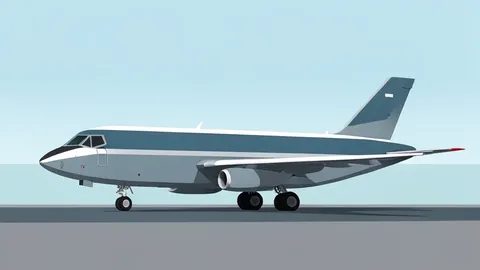
Tensions escalated in late 2025 when a Nigerian aircraft made an emergency landing in Burkina Faso, prompting threats from regional leaders to restrict Nigerian air traffic. This incident highlights the growing rigidity in diplomatic postures that complicates operational cooperation.
Extremist Groups Exploit Porous Borders
Despite diplomatic disputes, Nigerian defense officials maintain that ground-level cooperation continues, though it is less extensive than desired. However, reports indicate that groups such as JNIM and ISWAP are using the weakened oversight to move personnel and resources across the 1,608-kilometer border.
Insurgents are also leveraging internal instability in Nigeria, including banditry and ethnic conflicts, to recruit new members. This dual challenge requires a coordinated response that current political divisions are hindering, according to regional security analysts.
Diplomatic Standoff Limits Collective Action
Recent statements by Nigerian leadership accusing AES nations of worsening regional security have provoked sharp rebukes from Niger, Mali, and Burkina Faso. These nations argue that the instability is a result of external interference rather than their own governance choices.
The core challenge now is whether competing political structures can find common ground to address a transnational threat. Without renewed cooperation, the collective response to extremism in the Sahel and West Africa remains vulnerable to further erosion.