South Sudan Dissolves Unity Government to Clear Path for Elections
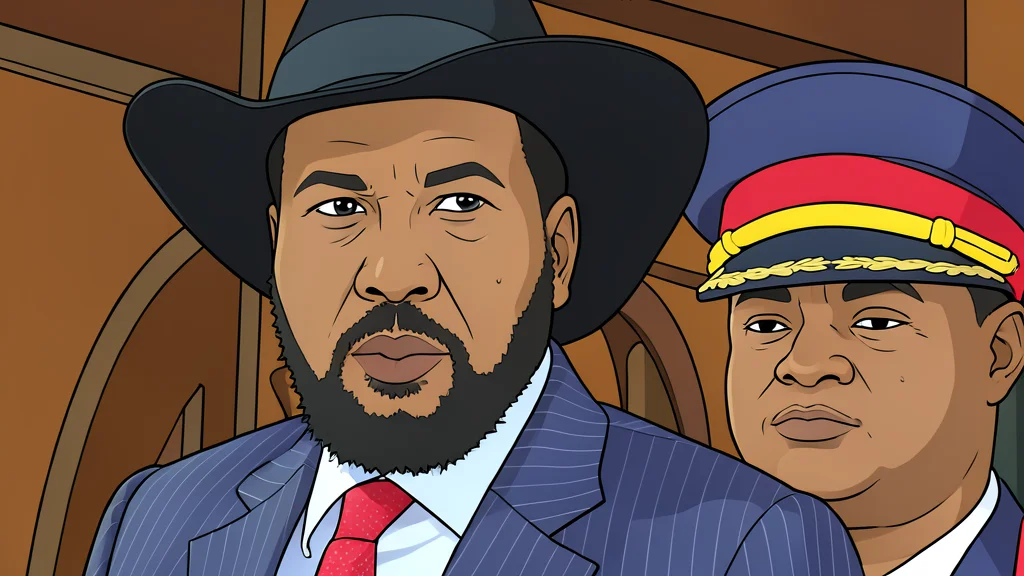
President Salva Kiir has removed all vice-presidents and ministers, centralizing power ahead of December polls while opposition leaders remain detained.
Key points
- President Salva Kiir dissolved the unity government, removing all vice-presidents and ministers to centralize power.
- Legal changes allow elections to proceed in December without a completed constitution or national census.
- Opposition leader Riek Machar remains under house arrest, limiting competitive participation in the upcoming polls.
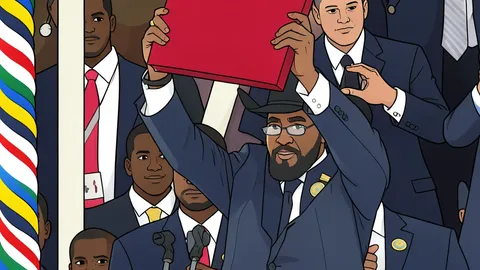
South Sudan’s President Salva Kiir has dissolved the country’s transitional unity government, replacing it with a caretaker administration. According to Al Jazeera English, this move ends the power-sharing arrangement established by the 2018 peace deal that halted years of civil war. The decree removes all vice-presidents, ministers, and local administrators, leaving Kiir as the sole executive authority during the election period.
The decision follows a parliamentary approval of changes to the National Elections Act, which allows the president to remain in office until a successor is elected. These legal adjustments remove the previous requirements for completing a permanent constitution and conducting a full census before holding national elections. While this clears procedural hurdles for polls scheduled for December 22, it has raised significant concerns about the concentration of power in Juba.
Legal Shifts Centralize Executive Power
Analysts describe the new legal framework as ambiguous, granting the president broad discretion over the electoral timeline. Michael Wani, a lawyer and former constitution drafting committee member, noted that Kiir will now operate without the checks provided by vice-presidents or a functioning parliament. Machot Amuom, an independent analyst, warned that the new law effectively gives the president full powers, including the potential to delay elections further if desired.
The main opposition alliance has rejected these changes, arguing that they undermine the democratic transition. Amnesty International acknowledged the decree as a decisive step toward the country’s first-ever national elections. However, the rights group urged authorities to ensure a conducive environment for voting and candidate registration, highlighting the delicate balance between stability and democratic integrity.
Opposition Remains Under Detention
The political transition is occurring under tight security conditions, with checkpoints and road closures reported around the government complex in the capital, Juba. Riek Machar, Kiir’s longtime rival and leader of the opposition SPLM-IO, remains under house arrest while facing charges of treason and murder, which he denies. His detention limits the opposition’s ability to participate meaningfully in the upcoming electoral process.
Preparations for the polls have also seen leadership changes within the electoral body. Last week, Kiir replaced the head of the elections commission, appointing Gabriel Bol Deng Majok with a fresh mandate to oversee preparations. This move, combined with the dissolution of the unity government, signals a shift toward a more centralized approach to organizing the historic vote.
Watch Election Timeline And Security
Observers will closely monitor the implementation of the new election law and the behavior of security forces in the lead-up to December. The ability to conduct voter registration and ensure fair campaigning without political interference remains a critical test for the transitional government. The international community is watching to see if these measures lead to credible elections or further consolidation of presidential control.