Nigeria Investigates Mass Deaths of Miners in Custody
Survivors describe suffocation in overcrowded cells as President Tinubu orders a transparent probe into the deaths of 37 suspected illegal miners.
Nigerian authorities have launched an urgent investigation into the deaths of 37 suspected illegal gold miners who died while in the custody of a paramilitary group. The incident, which occurred in Niger state, has triggered widespread unrest and a formal government response, with President Bola Tinubu demanding a thorough and transparent inquiry into the circumstances surrounding the fatalities.
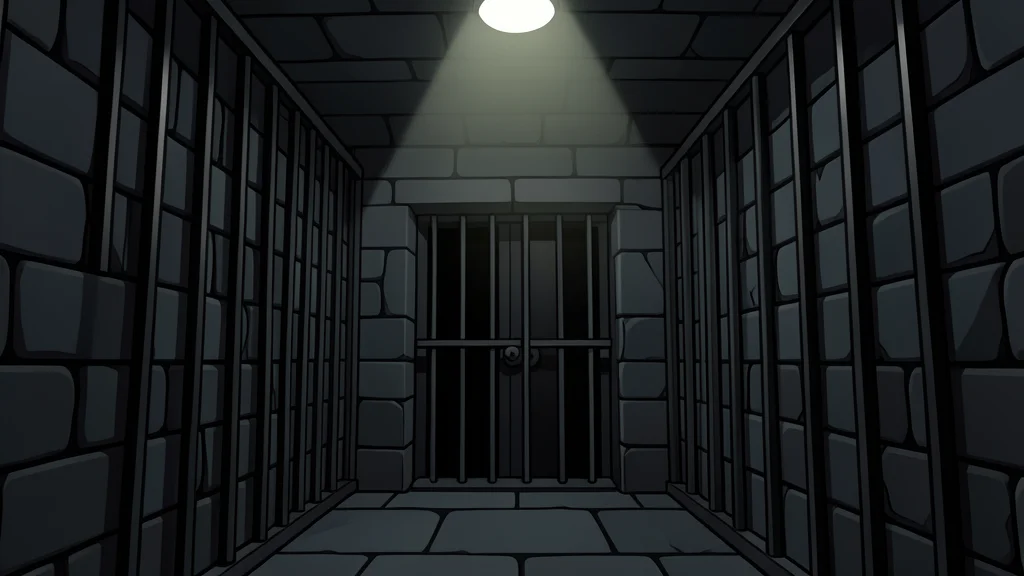
Survivors of the incident have provided harrowing accounts of being packed into cells with little to no ventilation, leading to suffocation. According to reports from Africanews, the government has suspended the commander of the civil defence unit involved, signaling a serious internal review of the events that unfolded in the detention facility.
Survivors describe suffocation in cells
Witnesses recounted the panic inside the detention facility, describing a lack of airflow that made breathing difficult. One survivor told journalists at a local hospital that the group was jam-packed and repeatedly banged on the door for help without receiving a response. Another individual stated that he survived only because he was positioned near the entrance, where air circulation was slightly better, while others nearby began to lose consciousness.
The testimonies suggest that the miners were aware of the danger before it was too late, with several raising alarms about people dying from lack of oxygen. Despite these warnings, guards reportedly refused to intervene. The accounts align with an intelligence report that attributed the deaths to overcrowding and poor ventilation, contradicting initial claims by the civil defence group that disease was the cause.
Unrest spreads in Minna streets
Tensions escalated rapidly in Minna, the capital of Niger state, as protests spilled onto the streets. Police fired shots to disperse crowds, with witnesses unsure whether live ammunition or anti-riot pellets were used. Mobs blocked main thoroughfares and attacked various establishments, including a transport depot, a bank, and political offices, reflecting deep frustration over the lack of accountability.
In response to the volatility, the local government imposed a curfew from dusk until dawn. Families of the victims have demanded justice, with one father stating that his son was the breadwinner for the family and deserved humane treatment. The emotional weight of the loss has fueled public anger, with demonstrators insisting that the official narrative must be fully disclosed.
Mineral wealth fuels conflict
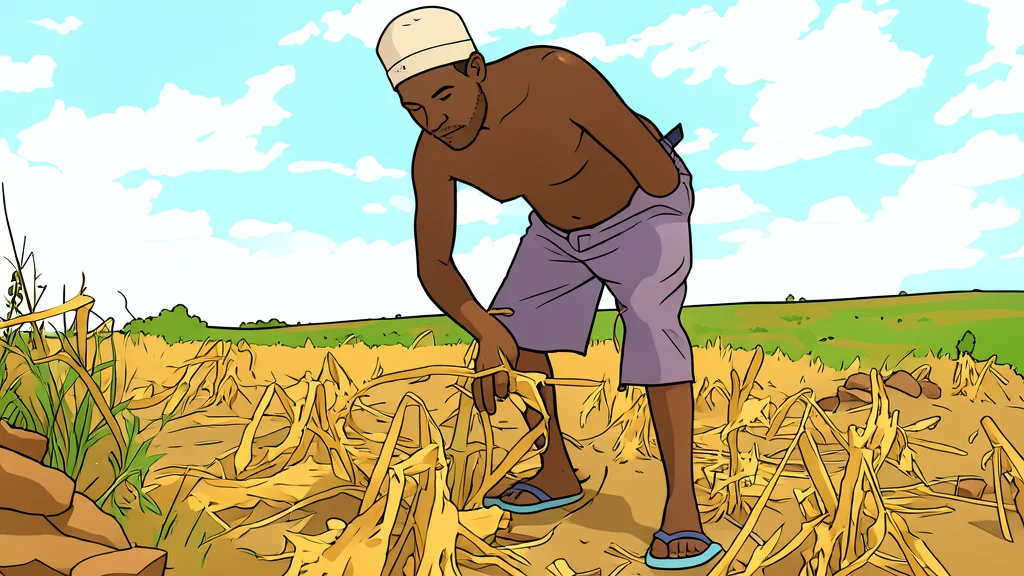
Niger state is rich in mineral deposits, attracting thousands of artisanal miners hoping to strike gold. However, this resource wealth has also become a driver of violence, with criminal gangs and armed groups taxing miners and demanding a share of the extracted ore. Officials note that the illicit mining sector is intertwined with broader security challenges, including kidnappings and jihadist incursions from neighboring regions.
President Tinubu emphasized that being suspected of illegal mining does not negate the right to life and dignity. He warned that the government will not tolerate deaths resulting from negligence or abuse of duty. The investigation aims to clarify the exact sequence of events and hold those responsible accountable, while also addressing the systemic issues that allow such tragedies to occur in detention facilities.