Nigeria's 2027 Campaigns Show Persistent Gender Gap in Candidacy
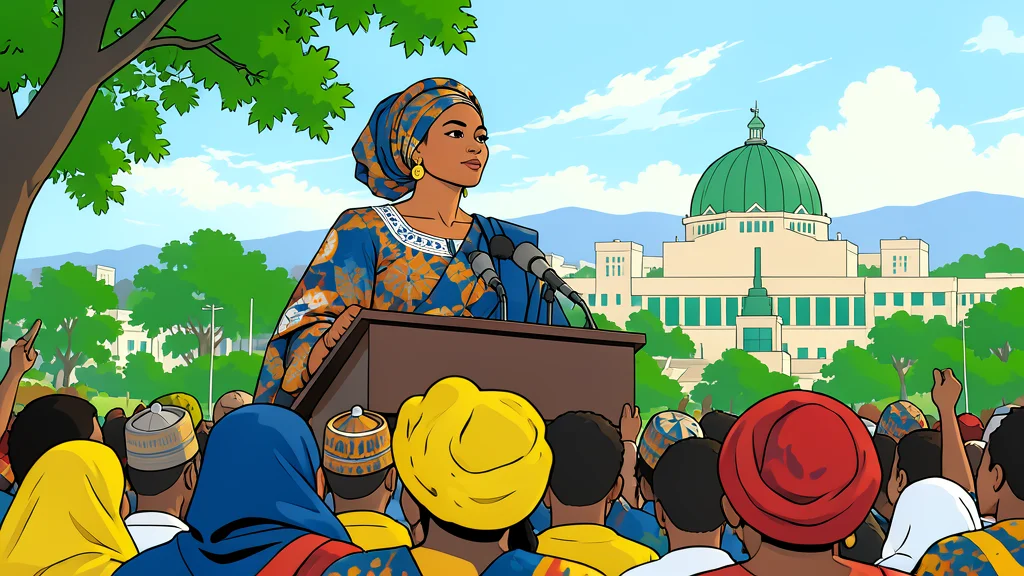
New data reveals that women constitute less than 10% of candidates for Nigeria's upcoming national elections, highlighting deep structural barriers within political party processes.
Nigeria’s political landscape ahead of the 2027 general elections continues to be defined by a stark disparity in gender representation. According to analysis from dataphyte.com, women make up only 9.7% of the total pool of candidates registered for the upcoming polls. This figure underscores a significant gap between the demographic weight of women in the country and their presence in the formal structures of political competition.
The imbalance is not merely a matter of candidate numbers but reflects a broader pattern of exclusion that extends to the current composition of the National Assembly. Data from the National Assembly Library Trust Fund indicates that 23 of the 36 states, along with the Federal Capital Territory, have no woman serving in either the Senate or the House of Representatives. The disparity is most pronounced in the Northwest region, where none of the seven states currently has female representation in the legislature.
Barriers in Primary Processes
Civil society organizations argue that these gaps stem from mechanisms operating long before general election day. A coalition of rights groups, including the Voice of Women Empowerment Foundation and the Women in Politics Forum, has documented instances of high-profile disqualifications and opaque consensus arrangements during party primaries. These practices effectively filter out female aspirants before they can reach the general ballot.
Financial hurdles also play a critical role in limiting participation. In several political parties, nomination fees for Senate positions reportedly reach as high as 10 million naira. While some parties, such as the African Democratic Congress, have offered discounted forms for female candidates, observers note that such financial concessions are often insufficient to counteract other internal dynamics that discourage or prevent women from contesting.
Legal and Structural Constraints
Legal experts point to the Electoral Act as a source of inconsistency in how primaries are conducted. Section 86 of the act allows political parties to develop their own internal procedures, which has led to varied and sometimes opaque implementation across different parties. Human rights advocate Cynthia Mbamalu has argued that this lack of standardized rules creates room for practices that disadvantage female aspirants, such as forced withdrawals or last-minute candidate substitutions.
Adaora Sydney-Jack of Gender Strategy Advancement International describes the situation as a systematic exclusion of women from positions of power. She notes that while women are often encouraged to take on ceremonial roles within party structures, they remain largely barred from the mechanisms where political power is actually allocated. This suggests that the issue is not a lack of interest or capacity among female candidates, but rather structural barriers that limit their access to the political pipeline.
Calls for Reform and Transparency
Stakeholders and civil society groups are calling for concrete measures to address these imbalances. Proposed solutions include the passage and implementation of the Reserved Seats for Women Bill, which would guarantee a minimum level of representation in the legislature. Additionally, there is a strong push for greater transparency in party nomination processes and the publication of comprehensive gender-disaggregated data on party membership and primary elections.
As the 2027 elections approach, the focus shifts to whether political parties will adopt more inclusive practices or if the status quo will persist. The coming months will be critical in determining if the current trends of low female candidacy are challenged by new policies or if the structural barriers identified by analysts remain intact, shaping the future of Nigeria’s democratic participation.