Nepal Balances Domestic Turmoil with UN Diplomacy
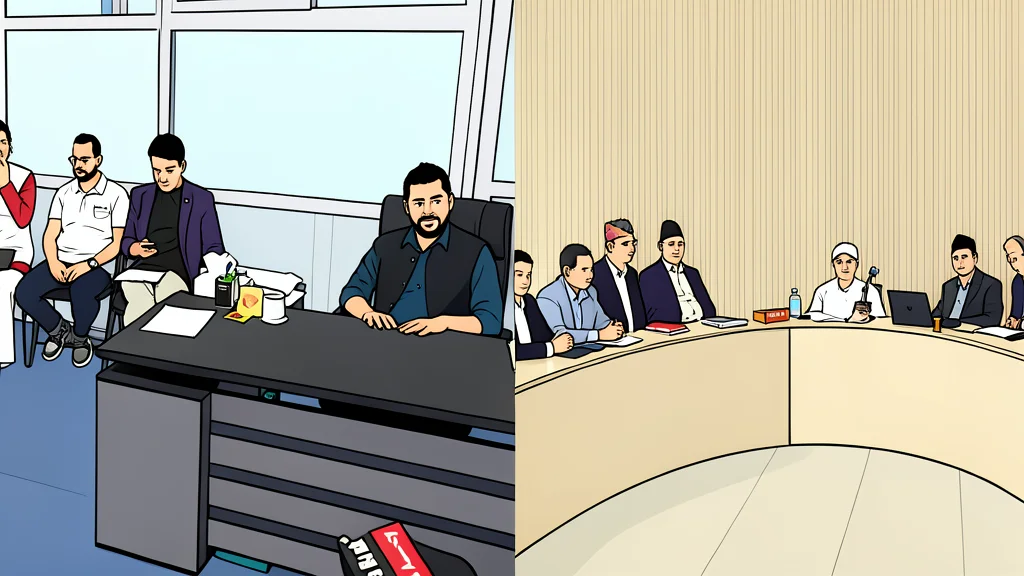
As Nepal prepares for the United Nations General Assembly, internal political friction and relief distribution issues create a complex backdrop for the nation's diplomatic engagements.
Nepal is navigating a period of significant domestic and diplomatic activity, with the government balancing internal party disputes against high-level international engagements. According to Ratopati, the ruling Rastriya Swatantra Party recently finalized seven key decisions in its secretariat meeting, signaling an effort to consolidate its position amidst a crowded political landscape. This internal maneuvering occurs just as the country’s leadership prepares to travel to the United States for the 81st session of the United Nations General Assembly.
While the foreign minister has already departed for New York, Prime Minister Balen Shah is scheduled to leave on Tuesday to attend the same session. The timing of these diplomatic visits highlights the government's focus on international cooperation, yet it coincides with rising tensions at home. Opposition parties are organizing around potential protests, and ongoing debates over flood relief packages have fueled public dissatisfaction, creating a dual-track environment of external engagement and internal challenge.
Party Conventions Shape Political Landscape
The Nepali Congress is making rapid progress in its organizational restructuring, with ward conventions completed in over six thousand areas across seventy-three districts. This widespread activity underscores the party’s effort to rebuild its grassroots infrastructure ahead of future electoral cycles. Simultaneously, the CPN-UML resolved a dispute over competing secretariat reports by accepting a primary document with amendments, integrating elements from other submissions to maintain internal cohesion.
Despite these organizational efforts, major political entities remain embroiled in internal disputes. Parties that have warned of post-festival protests against the government are themselves experiencing fractures, which may limit their ability to mobilize effectively. This internal turmoil suggests that the opposition’s capacity to challenge the current administration may be constrained by their own structural disagreements, even as they continue to voice dissent.
Relief Criticism Amidst Climate Concerns
Public frustration is mounting regarding the government’s response to recent flooding, with victims expressing anger over the conditions attached to relief and rehabilitation packages. According to the Department of Hydrology and Meteorology, while rumors of heavy rainfall have circulated, it is still too early to assess the specific risk levels or predict the extent of potential damage. The department’s cautious stance contrasts with the immediate demands of affected communities, who feel the bureaucratic hurdles in accessing aid are exacerbating their hardship.
The economic pressures faced by citizens are further reflected in the surge of youth seeking foreign employment. Data from the Department of Foreign Employment indicates that over 130,000 individuals received final labor approval for overseas work in the past two months. This exodus highlights a search for economic stability beyond national borders, a trend that may intensify if domestic economic conditions and relief mechanisms do not improve in the near term.
Diplomatic Focus Amidst Domestic Challenges
The upcoming participation in the UN General Assembly places Nepal’s diplomatic agenda front and center, with the prime minister’s visit serving as a key moment for international visibility. However, the domestic context remains volatile, marked by the arrest of political analyst Bharat Dahal and ongoing disputes within the political class. The interplay between these domestic legal and political issues and the country's international obligations will be a critical factor to watch in the coming weeks.
As the leadership engages with global forums, the success of the government’s domestic agenda will likely depend on its ability to address the immediate concerns of flood victims and manage the internal dynamics of opposition parties. The convergence of high-level diplomacy with grassroots discontent creates a complex environment where policy decisions in New York may be closely scrutinized by a domestic audience that is both politically active and economically anxious.