Nigeria's Biometric Vote Tests Expose Elderly and Disabled Voters
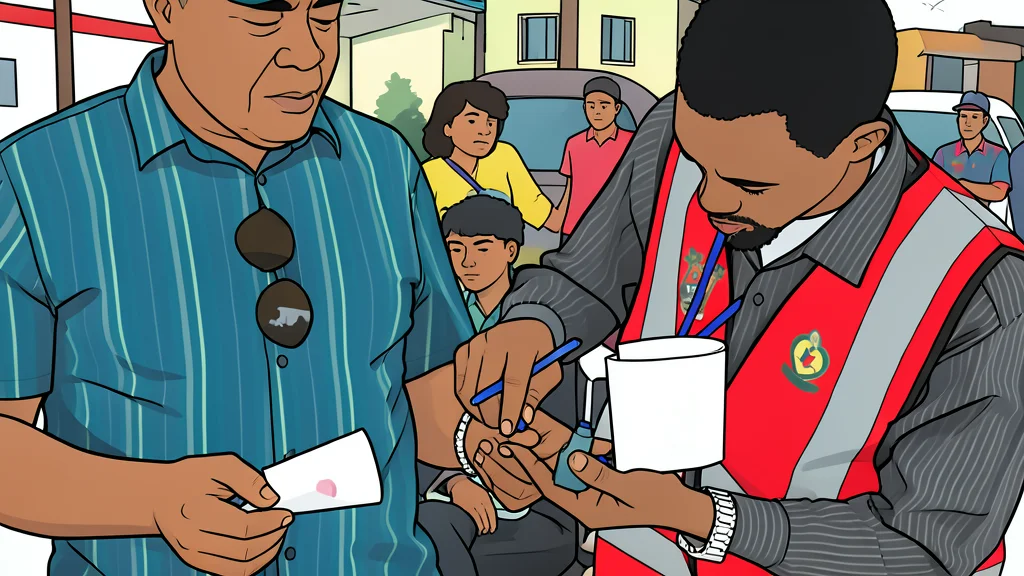
As Nigeria prepares for its 2027 general elections, recent state-level polls reveal a critical gap between technical reliability and individual access, raising urgent questions about how failed biometric matches are classified.
In Ekiti State, a 90-year-old woman arrived at a polling station with proper identification, yet she was unable to cast a ballot. The Bimodal Voter Accreditation System, or BVAS, failed to capture her fingerprints or facial features despite her physical presence. This incident highlights a growing concern in Nigeria’s electoral process: while the technology generally functions, it occasionally excludes eligible voters who cannot be recognized by the machine.
According to techpolicy.press, this issue is not merely a technical glitch but a structural challenge. The Electoral Act of 2026 outlines procedures for total device failure, but it remains ambiguous regarding cases where the system works yet cannot authenticate a specific individual. As the nation approaches the national election in January 2027, this gap poses a significant risk to the inclusivity of the democratic process.
Observer Reports Reveal Inconsistent Access
Civil society groups have documented these exclusions across multiple local government areas. The Nigeria Civil Society Situation Room deployed over 200 observers and found that facial authentication failures disproportionately affected elderly voters. Similarly, Yiaga Africa reported that in ten percent of sampled polling units, some voters were denied accreditation due to biometric verification issues.
These findings contrast with reports from the EU-SDGN Election Observation Hub, which noted high overall BVAS performance in observed units. However, experts argue that high aggregate functionality does not negate individual exclusion. When a machine cannot recognize a voter, the legal framework currently lacks a clear fallback mechanism, leading to potential disenfranchisement.
Legal Gaps in Current Frameworks
Previous guidelines allowed for a "Failed Accreditation" record after three attempts, effectively locking voters out without a recourse. Under the new 2026 regulations, the outcome remains similar if biometrics do not match. The Independent National Electoral Commission (INEC) must now clarify how these individual failures are tracked and reported to ensure transparency.
The law requires the voter register to include disability status, yet the practical application at polling stations often fails to accommodate these needs. Without a standardized protocol for handling biometric mismatches, eligible voters may continue to be excluded from the electoral process, undermining the legitimacy of the results.
Accountability Standards for Future Elections
Before the next national vote, INEC should demonstrate exactly how many registered voters reached the biometric gate and were turned away due to system mismatches. Making machine recognition a legal condition of voting requires that failed recognition events be documented rather than disappearing into unreported residuals.
The forward question for Nigerian democracy is whether the electoral commission will implement robust fallback procedures and transparent reporting. As the 2027 elections approach, the ability to recognize every eligible voter, regardless of age or physical ability, will be a critical test of the system's integrity.