Nigeria Seeks Permanent UN Security Council Seat at 81st UNGA
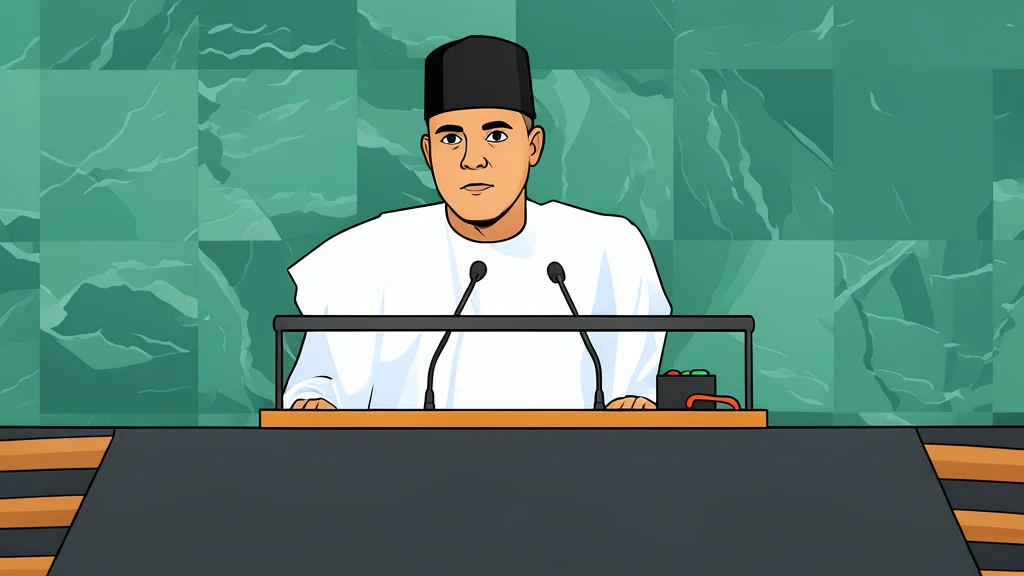
Vice President Kashim Shettima arrives in New York to renew Nigeria's demand for a permanent UN Security Council seat, emphasizing the need for expanded African representation at the 81st UNGA.
Key points
- Vice President Kashim Shettima will lead Nigeria's push for a permanent UN Security Council seat at the 81st UNGA.
- Nigeria argues that current UN structures fail to reflect Africa's demographic weight and role in global peacekeeping.
- State governors attending the assembly plan to seek foreign investment opportunities in solid minerals and other sectors.
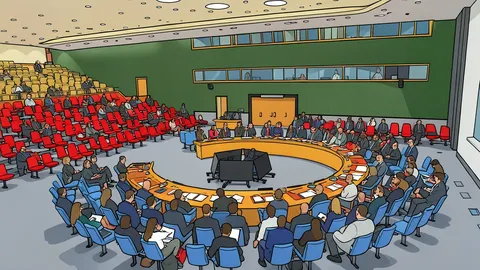
Nigeria is set to renew its diplomatic campaign for a permanent seat on the United Nations Security Council as Vice President Kashim Shettima prepares to address the 81st United Nations General Assembly in New York. According to The Nation Newspaper, the Nigerian delegation intends to build upon arguments made during the previous session, emphasizing that the current structure of the global body fails to reflect contemporary demographic and economic realities.
The initiative aligns with the administration’s broader strategy to advocate for institutional reforms that make international organizations more responsive to developing nations. Shettima’s participation marks a continuation of President Bola Ahmed Tinubu’s stance that the UN must evolve to remain relevant in a shifting global order, particularly regarding the role of Africa in international peace and security.
Strategic Priorities for Global Reform
Before departing for New York, Shettima received briefings from Foreign Affairs Minister Bianca Odumegwu-Ojukwu and Permanent Representative Jimoh Ibrahim regarding the country’s specific expectations for the high-level gathering. Stanley Nkwocha, Senior Special Assistant to the President, stated that the Vice President would present the President’s positions across various sectors, engaging strategically with critical international stakeholders to consolidate Nigeria’s advocacy for holistic reforms.
The core argument presented by Nigerian officials is that the Security Council’s composition does not adequately account for Africa’s demographic weight or its significant contributions to global peacekeeping. At the 80th General Assembly, Shettima argued that the United Nations would only recover its relevance if its institutions reflected the world as it is, rather than preserving a historical status quo that no longer matches modern geopolitical dynamics.
Economic Diplomacy and Investment Goals
Beyond high-level diplomatic discussions, state governors attending the assembly are leveraging the platform to court foreign investment for their respective regions. Officials from Nasarawa and Kebbi states indicated that they would specifically target international partners for opportunities in the solid minerals sector. These delegations view the gathering as a chance to accelerate economic development and job creation by highlighting the abundance of natural resources in their areas.
Upcoming Sessions and Key Engagements
The General Debate for the 81st session is scheduled to run from September 22 to 28, operating under the theme of restoring trust and managing transformation. Shettima is expected to deliver Nigeria’s national statement and participate in bilateral meetings with world leaders and development partners. The coming week will test whether these diplomatic efforts can translate into tangible shifts in the discourse surrounding the future structure of the United Nations.
Nigeria Reaffirms Push for Council Reform
Vice President Kashim Shettima has arrived in New York to lead Nigeria's delegation at the 81st United Nations General Assembly. The primary objective of this year's engagement is to solidify the country's long-standing demand for a permanent seat on the UN Security Council, a position that seeks to correct historical imbalances in global governance.
Nigeria’s advocacy centers on the argument that the current structure of the Security Council fails to reflect contemporary demographic realities. By pressing for expanded African representation, the administration aims to ensure that the continent's significant contribution to international peace and security is matched by an equivalent voice in decision-making processes.