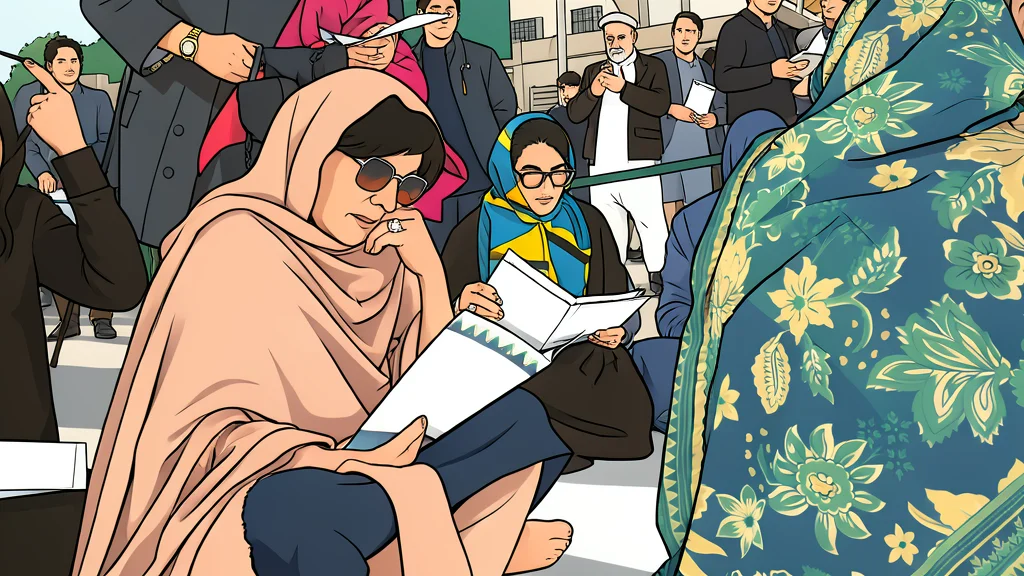
Gaza Students Return to Damaged Classrooms Amid Ongoing Crisis
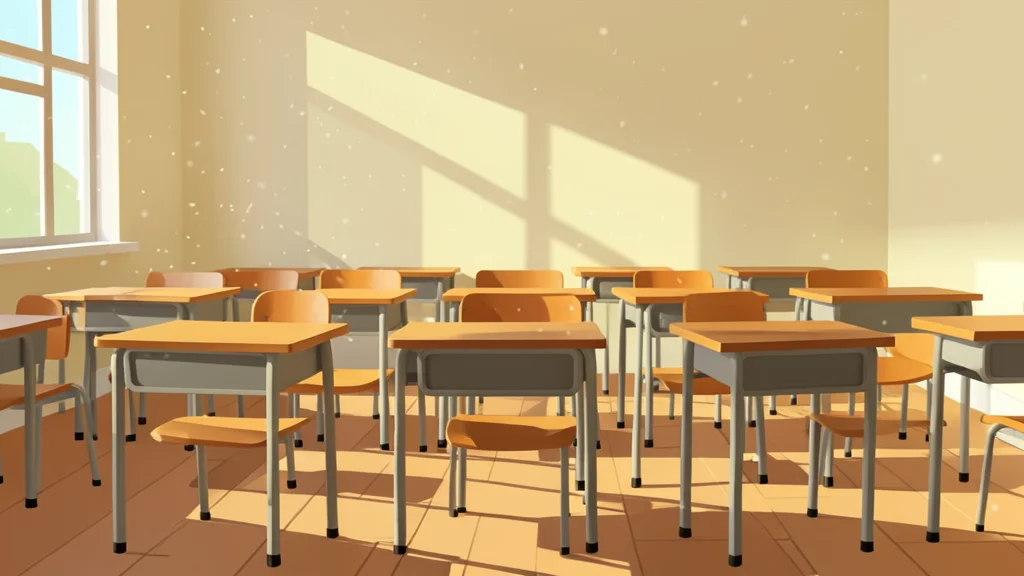
As the new academic year begins, students in Gaza return to schools that remain heavily damaged and under-resourced following years of conflict.
Students in the Gaza Strip have begun returning to their classrooms as the new academic year commences, marking a tentative return to normalcy after years of disruption. According to reports from Africanews, many of these learning environments remain severely compromised, with significant structural damage and a lack of basic educational equipment persisting despite the resumption of classes.
The reintegration into school life comes after a period defined by repeated displacement and survival challenges. For many families, the presence of a school routine offers a rare sense of stability. However, the physical conditions inside these institutions vary widely, with some rooms lacking desks entirely and others relying on furniture that survived recent hostilities.
Challenges in Rebuilding Educational Infrastructure
At a UNRWA-run school in Nuseirat, the state of the facilities illustrates the scale of the challenge. In some classrooms, students are required to sit on blankets on the floor due to a complete absence of desks. In others, the available furniture consists of old, damaged items that have endured the war. This scarcity reflects the broader depletion of resources within the education sector.
Tawfiq al-Hourani, head of UNRWA’s education program, noted that the agency had 182 fully equipped schools prior to the current crisis. He stated that more than 95 percent of these institutions have been lost, and the remaining facilities are often occupied by displaced populations, limiting their availability for educational purposes.
The organization reported that over 280,000 children are currently attending its schools and educational tents. Despite this significant number, the goal remains to restore the educational environment to its pre-war state, a task complicated by the ongoing occupation of school buildings by those seeking shelter.
Impact on Student Wellbeing and Routine
For many children, the years preceding this return were characterized by a focus on survival rather than study. Days were often spent searching for water and food, interrupting their education and social development. The resumption of school activities, including morning assemblies and structured lessons, provides a psychological anchor for students and their families.
Asmaa Al-Hour, a mother of two students, described the emotional relief associated with this change. She noted that her son had been waiting since dawn to attend school, mirroring the behavior of his siblings. Her daughter, who had longed for school access during the three years of conflict, was able to attend classes for the first time in a long period, highlighting the profound impact of the hiatus on young lives.
Scope of Educational Disruption in the Region
Data from UNICEF indicates that approximately 700,000 children between the ages of 4 and 17 missed formal in-person schooling for nearly three years as of April. Of this group, about 420,000 had no face-to-face learning opportunities at all since October 2023. This widespread disruption has created a significant gap in the academic progression of an entire generation.
Although schools began operating again last November following the October ceasefire, the education system remains under severe strain. The forward question now centers on the sustainability of these efforts: can the infrastructure and resources be stabilized enough to support consistent learning, or will the lack of durable facilities continue to hinder the recovery of educational standards in the region?