Nigerian Election Commission Tests 2027 Infrastructure Through State By-Elections
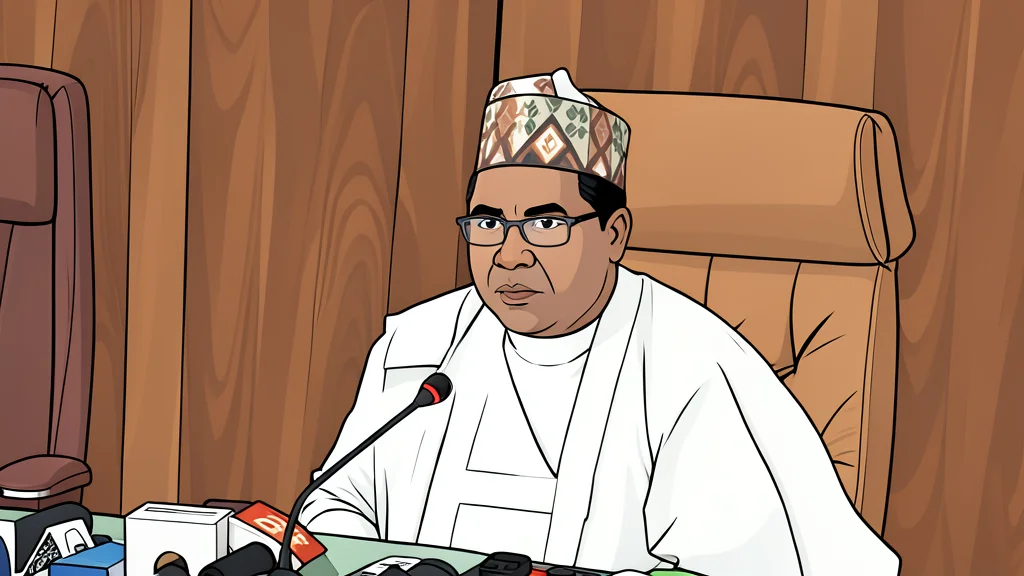
INEC chairman frames recent multi-state legislative polls as critical operational benchmarks, emphasizing that no contest is too small to inform the broader strategy for the upcoming general election.
The Independent National Electoral Commission (INEC) has characterized recent legislative by-elections across four Nigerian states as essential preparatory steps for the 2027 general elections. Prof. Joash Amupitan, the commission’s chairman, stated at the INEC headquarters in Abuja that these contests serve as vital operational benchmarks. He emphasized that the commission views these off-cycle polls not as routine occurrences, but as critical opportunities to stress-test its logistical and technological frameworks. According to reports from the News Agency of Nigeria (NAN), this approach reflects a strategic effort to audit field readiness before the larger national exercise.
The elections were held in specific constituencies within Gombe, Kano, Bauchi, and Delta states. Amupitan underscored that every electoral contest, regardless of scale, provides indispensable lessons for the commission’s roadmap. By treating each event as a dress rehearsal, INEC aims to continuously refine its administrative processes. This methodology allows the body to identify and resolve potential bottlenecks early, ensuring that the infrastructure supporting the 2027 polls is robust and reliable.
Strategic Focus on Operational Integrity
Amupitan cautioned against dismissing any electoral exercise as trivial, arguing that such a mindset undermines the integrity of the broader democratic process. He noted that the commission’s primary mandate in these scenarios is monitoring and proactive crisis resolution. According to his remarks, any administrative or field challenges that arose before polling day were swiftly identified and resolved. This proactive stance is designed to nip potential issues in the bud, thereby fostering higher standards of efficiency and public confidence in the electoral outcome.
The chairman expressed gratitude to the technical team and senior management officials who monitored the multi-state exercise from the National Situation Room. Their seamless coordination allowed INEC to assess field performance without significant hindrance. This collaborative effort highlights the commission’s commitment to maintaining operational excellence. By leveraging these recent experiences, INEC seeks to ensure that every subsequent election reflects a higher level of preparedness and transparency.
Lessons From Multi-State Polling
The specific constituencies involved included the Gombe/Kwami/Funakaye Federal Constituency, the Dawakin Kudu State Constituency in Kano, and the Sakwa and Disina State Constituencies in Bauchi. Additionally, the Udu State Constituency in Delta state was part of this operational test. These varied locations provided a diverse set of logistical challenges for the commission to navigate. By managing polls across different geographical and administrative contexts, INEC gained valuable insights into how to deploy resources effectively. This breadth of experience is crucial for addressing the complexities of a nationwide general election.
Amupitan’s comments suggest that the commission is adopting a data-driven approach to electoral management. Each by-election serves as a case study for improving technological deployment and administrative logistics. The insights gained from these four states will likely inform future planning and resource allocation. As Nigeria moves closer to the 2027 polls, the emphasis on continuous improvement and rigorous testing of electoral infrastructure appears to be a central pillar of INEC’s strategy. This methodical preparation aims to bolster trust in the electoral process among the public.
Forward-Looking Electoral Preparations
As the 2027 general elections approach, the lessons from these recent by-elections will play a pivotal role in shaping INEC’s operational strategy. The commission’s focus on resolving pre-polling challenges and enhancing field readiness indicates a proactive stance toward ensuring electoral integrity. By treating each contest as a critical component of its broader preparations, INEC aims to build a resilient and efficient electoral framework. This approach not only addresses immediate logistical needs but also contributes to the long-term stability of Nigeria’s democratic institutions.