Australia Seeks Return to UN Security Council Amid Geopolitical Shifts
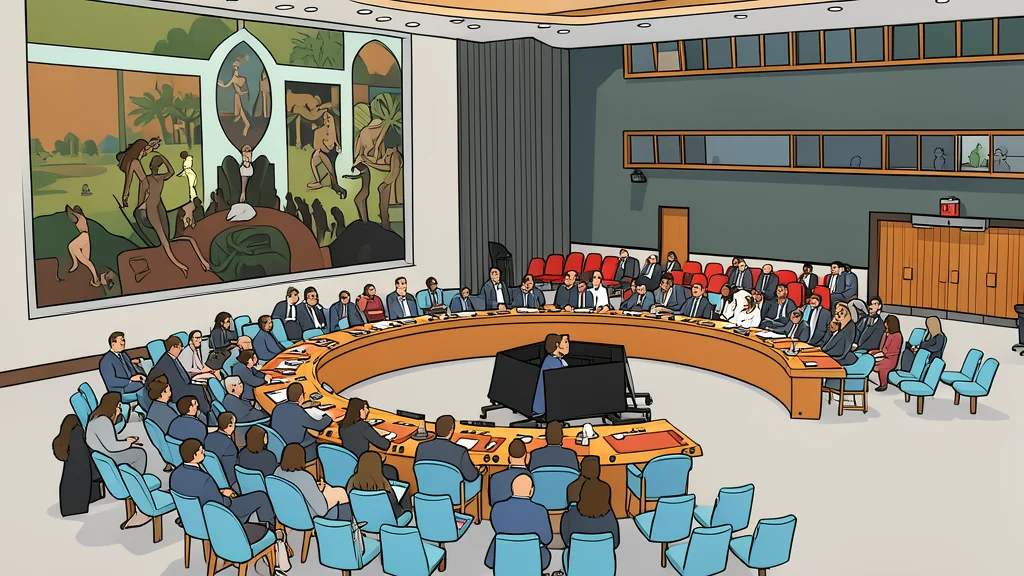
Prime Minister Anthony Albanese has officially launched a campaign for a non-permanent seat on the United Nations Security Council, positioning Australia as a pivotal middle power in a fragmented global landscape.
Australia has formally begun its bid to secure a non-permanent seat on the United Nations Security Council, with Prime Minister Anthony Albanese describing the nation’s chances as strong. The campaign was launched in New York during the General Assembly, where the government unveiled its branding, including a logo featuring a kangaroo, to signal its intent to reclaim a position it last held in 2014. According to Albanese, Australia is well-regarded internationally and is prepared to leverage its reputation for stability and cooperation to win the support of the broader membership.
The bid comes at a time of heightened strategic competition and persistent criticism regarding the council’s effectiveness. While only Finland is currently listed as a rival candidate for the two available spots, the path to election remains rigorous. A successful candidate must secure a two-thirds majority in a secret ballot scheduled for mid-2028. The government argues that its experience in areas such as digital safety and climate negotiations provides a distinct advantage, allowing it to contribute practical solutions to global challenges rather than merely observing them.
Strategic positioning in a divided assembly
Foreign Minister Penny Wong has framed the candidacy as a necessity for middle powers to exercise influence in a world increasingly dominated by major rivalries. She stated that a safer global order is one governed by rules rather than force alone, suggesting that Australia’s participation would help mediate disputes and advocate for the interests of smaller nations. The administration emphasizes that its vision is centered on listening with respect and partnering as equals, a diplomatic posture designed to resonate with countries seeking alternatives to bloc-based politics.
According to reporting from GN geopolitics/un, the council continues to face scrutiny over its inability to resolve major conflicts, a limitation often attributed to the veto powers held by permanent members. Acknowledging that the institution is in need of reform, Albanese argued that holding a seat is the first step toward making it more effective. By engaging directly in the council’s deliberations, Australia aims to push for procedural improvements and greater accountability in international peace and security matters.
Historical precedent and future obligations
Australia’s previous tenure on the council served as a precedent for its current approach. During its last term, the country utilized its position to champion an international inquiry into the downing of Malaysia Airlines flight MH17 over Ukraine, a case that resulted in the deaths of 298 people, including 38 Australians. This experience demonstrated the utility of council membership in advancing specific justice and transparency goals. The current campaign seeks to replicate this impact by focusing on contemporary issues such as cyber governance and climate resilience, areas where Australia claims to be a first mover.
The road ahead requires sustained diplomatic engagement across the General Assembly. With the secret ballot not occurring until 2028, the next two years will be critical for building coalitions and addressing the concerns of potential allies. Observers will watch closely how Australia navigates the complex dynamics between the permanent members and the broader membership, particularly as it seeks to balance its alliance commitments with its stated goal of promoting a rules-based international order.