Modi and Xi Push for Himalayan Border Resolution
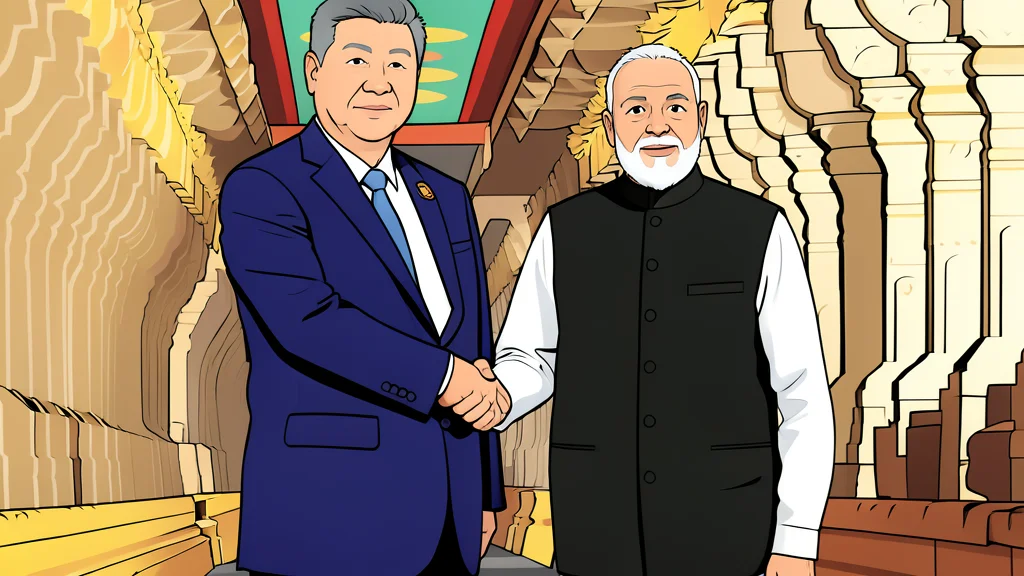
Leaders of India and China signaled a desire to stabilize their relationship during a high-level meeting in New Delhi, prioritizing peace along the disputed Himalayan frontier.
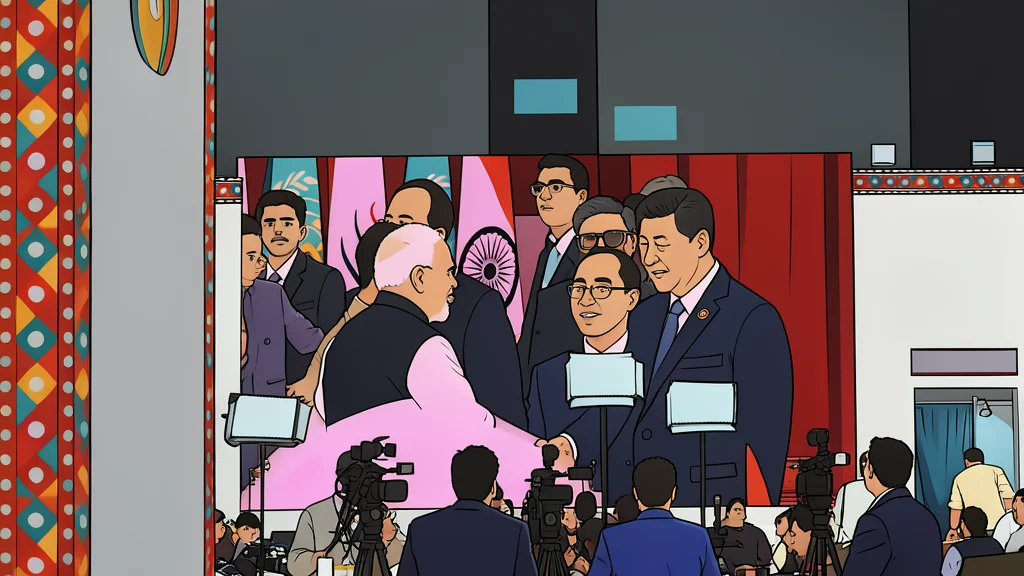
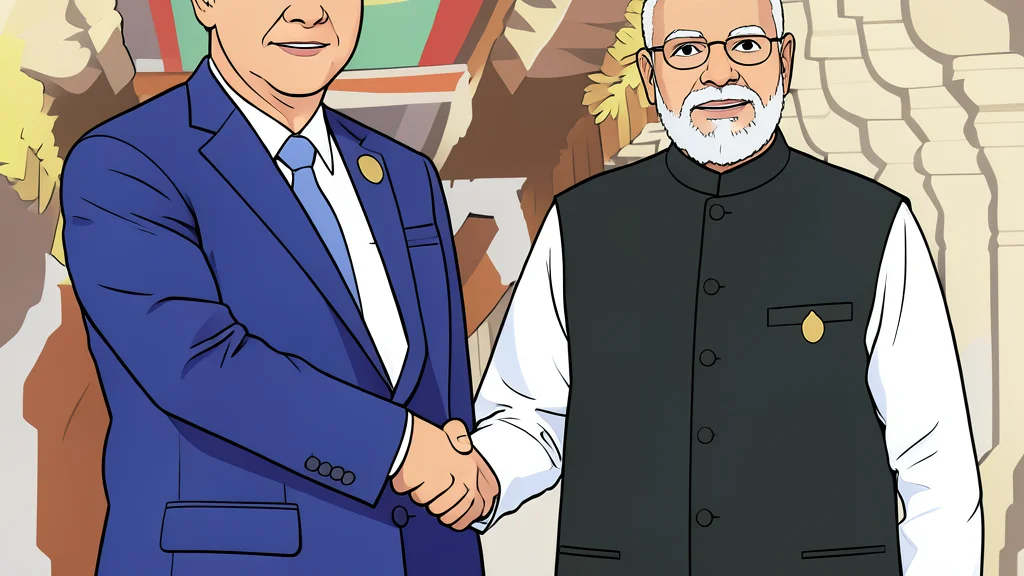
Prime Minister Narendra Modi and Chinese President Xi Jinping have expressed a shared commitment to finding a mutually acceptable solution to their long-standing border dispute, according to official statements from New Delhi. The leaders met on Saturday in the Indian capital on the sidelines of the BRICS summit, marking a significant diplomatic engagement given the historical tensions between the two nuclear powers.
This meeting represents Xi’s first visit to India in seven years, a gap that reflects the cooling of relations following violent skirmishes in 2020. While the two nations have agreed to maintain peace and resume certain travel facilitations, the core territorial disagreement over the Himalayan region remains unresolved, making this dialogue a critical test for regional stability.
Diplomatic Efforts Amid Historical Tensions
India’s Foreign Ministry reported that Modi emphasized the necessity of peace and stability in border areas as the foundation for any further development of bilateral ties. The conversation took place against the backdrop of a decade of friction, particularly since 2020, when soldiers from both sides engaged in physical confrontations that resulted in fatalities. According to reports, both sides have since agreed on a framework for maintaining tranquility, including the resumption of tourist visas and direct flights.
The dispute centers on a vast stretch of the Himalayas, a region Beijing claims as part of southern Tibet while New Delhi identifies as the northern Indian state of Arunachal Pradesh. This geographic and political overlap has been a persistent source of friction, with both governments asserting sovereignty over the high-altitude terrain. The current diplomatic push aims to move beyond these rigid positions toward a practical resolution that prevents further escalation.
Commitment to Fair and Reasonable Outcomes
Modi stated that both nations are determined to work toward a resolution that is fair, reasonable, and mutually acceptable. He stressed the importance of abiding by previous agreements and understandings reached regarding border management. This approach suggests a shift from confrontational rhetoric to structured dialogue, focusing on mechanisms that ensure calm along the Line of Actual Control. The emphasis on mutual acceptance indicates a willingness to explore compromises that respect the sensitivities of both domestic publics.
Analysts note that such high-level engagement is crucial for preventing miscalculations in a region where military postures remain elevated. By framing the issue as one requiring a joint solution, the leaders are signaling that neither side seeks a unilateral victory at the expense of regional peace. This diplomatic posture aligns with broader efforts to integrate the two economies and manage strategic competition without resorting to conflict.
Monitoring Future Developments in the Region
The next steps will likely involve continued technical-level negotiations and verification of border protocols. Observers will watch for concrete actions that demonstrate compliance with the agreed-upon peace and tranquility measures, such as the reduction of military deployments or the establishment of joint patrol mechanisms. The success of this diplomatic initiative will be measured by the ability of both governments to translate high-level statements into tangible improvements in border security and economic cooperation.
As reported by GN geopolitics/border, the resolution of this dispute remains one of the most complex challenges in Asian geopolitics. The coming months will test the durability of the current diplomatic thaw, with particular attention paid to how both sides handle minor incidents and whether the momentum generated in New Delhi can sustain a lasting peace along the Himalayan frontier.