Zelensky Criticizes EU Sanctions Delay Amid Drone Strikes
Ukrainian President Volodymyr Zelensky has sharply criticized European leaders for hesitating to extend sanctions on Russian oligarchs, arguing that such moves are self-destructive during active combat operations.
President Volodymyr Zelensky described the European Union’s failure to promptly renew sanctions against Russian business leaders as immoral and strategically dangerous. Speaking on September 12, the Ukrainian leader argued that easing restrictions on figures such as Alisher Usmanov and Mikhail Fridman is incompatible with the reality of daily drone attacks on Ukrainian infrastructure. According to Zelensky, allowing Russian entities to avoid financial consequences while they fund the war effort undermines the collective defense of the region.
The dispute centers on the EU’s inability to reach a unanimous decision on extending sanctions that currently cover more than 3,000 individuals and entities. With the deadline for renewal set for September 15, the bloc remains stalled due to objections from Slovakia and, notably, France. While Slovakia has long advocated for the removal of specific oligarchs from the sanctions list, France’s recent alignment with this position has introduced a new diplomatic friction point among member states.
Diplomatic Friction Over Oligarch Listings
According to reports from Euronews, France is pushing for the delisting of Usmanov as a political compromise to secure a broader agreement. Diplomatic sources indicate that this move has caused significant frustration among other EU members who view the retention of sanctions as essential to maintaining pressure on Russia. The requirement for unanimity in EU sanctions decisions means that a single member state can veto the renewal of these measures, creating a leverage point that complicates the bloc’s unified stance.
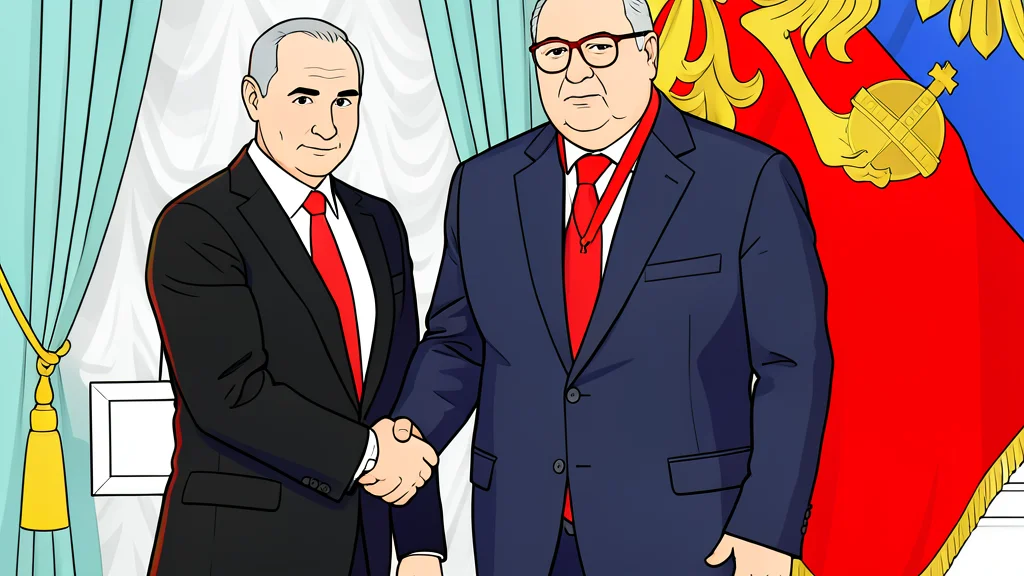
Zelensky specifically named Fridman and Usmanov in his remarks, stating that these individuals represent the type of Russian business sector that must face consequences for their role in the war. He emphasized that Russian companies contribute to the war budget through taxes and other mechanisms, making their financial insulation a strategic concern for Kyiv. The president urged EU leaders to consider the escalating economic aggression against Ukraine when making their final decisions on the sanctions package.
Economic Pressure Amid Escalating Attacks
The timing of the diplomatic deadlock coincides with intensified Russian drone strikes on Ukrainian economic targets. Zelensky cited reports of hundreds of Shahed drones being launched daily, arguing that this level of aggression makes any discussion of easing sanctions inappropriate. He stated that the goal of these attacks is to destroy the Ukrainian economy to break national resistance, a narrative he says must inform the EU’s response. The Kyiv Independent noted that the President’s comments were a direct challenge to the notion that economic relief for Russian elites serves any constructive purpose.
Uncertain Path to Renewal
Despite the political tension, an EU diplomat told the Kyiv Independent that the likelihood of sanctions expiring entirely is low. The worst-case scenario, according to diplomatic sources, would be a shorter extension period of six months rather than the desired twelve, or a compromise that excludes certain individuals from the list. Ambassadors are scheduled to convene again on September 14 with the aim of reaching a final agreement before the September 15 deadline. The outcome will likely reflect a balance between maintaining broad economic pressure and accommodating the specific political demands of dissenting member states.