Ukrainian Tennis Player Loses Home to Missile Strike
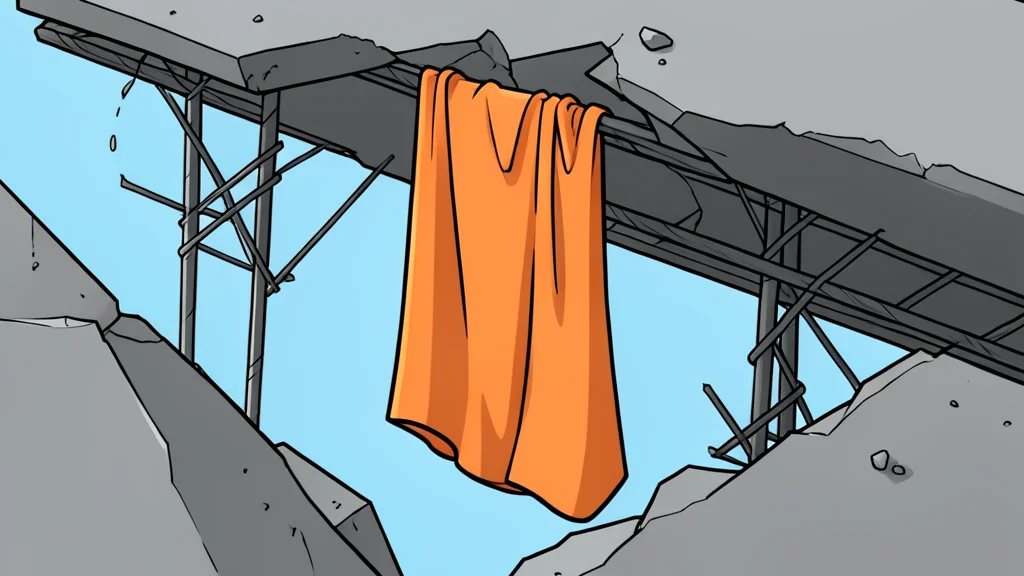
Dayana Yastremska reports that a Russian missile destroyed her family home in Odesa, leaving only a sports towel as a survivor.
Ukrainian tennis professional Dayana Yastremska has reported that her family’s residence in the Black Sea port city of Odesa was destroyed by a direct missile strike. The 26-year-old athlete shared images on social media showing a multi-story residential building engulfed in flames, describing the incident as a direct hit by a Kalibr cruise missile. According to Yastremska, the attack reduced the family home to rubble, with the destruction serving as a stark illustration of the ongoing impact of the conflict on civilian infrastructure.
Amidst the wreckage, the tennis player noted that the only item from her personal collection to survive the blast was a distinctive orange towel from the Roland Garros tournament. She described this object as a symbolic remnant of the global sports community that endured the violence while her home did not. The incident has drawn attention from within the tennis world, with Yastremska urging the governing bodies of professional tennis to recognize the human cost of the war through the lens of these personal losses.
Casualties reported in Odesa region
Local authorities in Odesa have confirmed significant human casualties resulting from the aerial attacks. According to Oleh Kiper, the regional head, 37 people were injured during the missile and drone strikes on Friday night, which affected both Odesa and the nearby city of Chornomorsk. Among those injured was a baby, and two individuals remain missing as rescue operations continue. The strikes represent a recent escalation in targeted attacks on civilian areas, raising concerns about the safety of residents in key port cities.
Athletes face growing security risks
Yastremska’s experience is not isolated among Ukrainian sports figures. Since the start of the full-scale invasion in 2022, several athletes have reported damage to their homes from Russian strikes. Last year, Ukrainian international football midfielder Heorhiy Sudakov stated that his apartment in Kyiv was severely damaged by a drone while his wife and child were present. These incidents highlight the persistent threat posed by aerial attacks on civilian housing, regardless of the occupants' professional status or international profile.
Calls for international sports attention
In her social media posts, Yastremska specifically addressed the Women's Tennis Association and the International Tennis Federation, asking them to view the images of the destruction through the perspective of those affected. She emphasized the symbolic nature of the surviving Roland Garros towel, contrasting the resilience of a sports artifact with the fragility of a family home. The call for attention from major sporting organizations underscores a broader effort to maintain visibility of the war's impact on individuals in the sports world, even as global tournaments continue to operate.
As the conflict persists, the focus remains on the ongoing security situation in Odesa and other Ukrainian cities. Observers will be watching for further updates on the search for the missing individuals and the extent of the infrastructure damage. Additionally, the reaction from international sports governing bodies to Yastremska’s appeal may signal a shift in how the global sports community engages with the geopolitical realities affecting its athletes. The situation serves as a reminder of the direct link between international sports figures and the local impacts of the war.