Rubio Reaffirms US Stance on Hormuz Security and Iran Non-Proliferation

Secretary of State Marco Rubio has reiterated Washington's dual focus on securing maritime passage through the Strait of Hormuz and preventing Iran from developing nuclear weapons, citing recent regional tensions.
Washington has once again placed the security of the Strait of Hormuz at the center of its diplomatic messaging. During recent statements, US Secretary of State Marco Rubio emphasized the critical nature of maintaining unrestricted freedom of navigation through this vital maritime chokepoint. According to reports from the GN auto geopolitics/middle-east: Iran nuclear desk, these remarks serve to underscore the United States' commitment to protecting international shipping lanes amid a backdrop of heightened regional instability.
Simultaneously, Rubio reaffirmed the longstanding American position that Iran must not acquire nuclear weapons. This dual-track approach reflects a strategy that seeks to address immediate maritime security concerns while upholding broader non-proliferation goals. The administration is monitoring developments closely, particularly as recent incidents involving commercial vessels have raised questions about the stability of trade routes in the Gulf.
Maritime Security Takes Center Stage
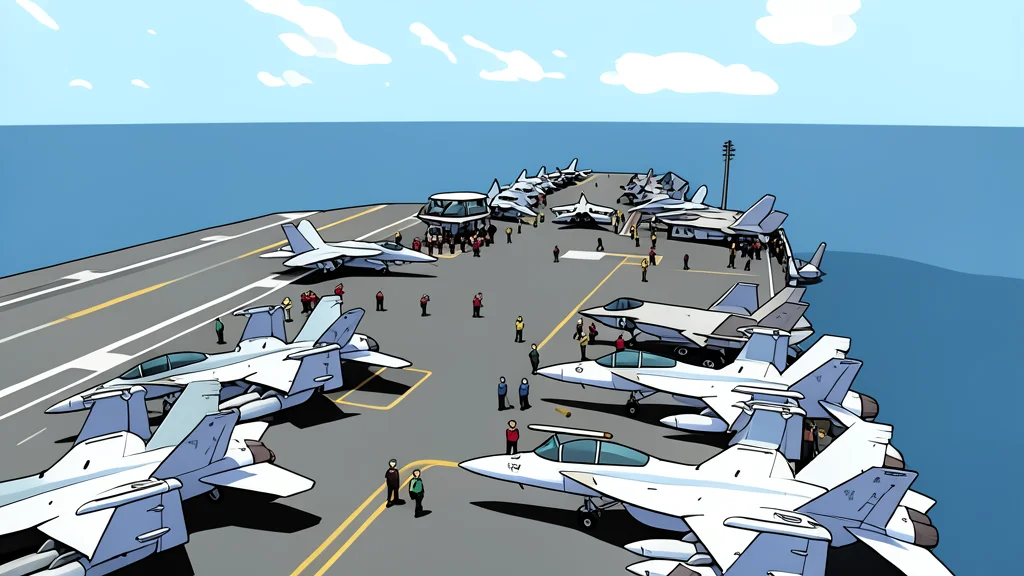
The Strait of Hormuz remains a focal point for global energy markets and trade logistics. Rubio’s comments highlight the US view that safe passage for commercial ships is a priority that cannot be compromised. According to official statements, recent attacks on vessels have been condemned, with Washington asserting that such actions threaten not only regional security but also the broader economic interests of the international community. The US continues to advocate for the protection of maritime routes, viewing them as essential to global economic stability.
Reaffirming the Non-Proliferation Commitment
Beyond maritime issues, the Secretary of State reiterated the firm stance that Iran must not possess nuclear weapons. This position is described as a cornerstone of US foreign policy in the Middle East. Analysts note that this reaffirmation occurs at a time when diplomatic channels are being tested by ongoing security developments. The US maintains that its monitoring of Iranian activities is driven by the need to protect US interests and those of its allies, ensuring that the regional balance of power does not shift in ways that threaten security.
Diplomatic Efforts Through Omani Channels
In a related diplomatic development, Rubio engaged in direct communication with his Omani counterpart. During this exchange, he praised Oman’s role in facilitating de-escalation efforts in the region. This interaction underscores the importance of back-channel diplomacy in managing tensions. According to available reports, Washington views Oman’s position as valuable for monitoring regional dynamics and reducing the risk of broader conflict. The focus remains on preventing any escalation that could disrupt the vital maritime routes and exacerbate security concerns in the Gulf.