Sudan's Henna Trade Faces Crisis Amid War and Drought
In northern Sudan, a traditional art form is crumbling as water scarcity and conflict threaten the cultivation of henna, a crop vital to both cultural identity and economic survival.
In a modest salon in Al-Damer, the air is thick with the scent of incense and the quiet focus of a henna artist tracing delicate floral patterns on a client’s hands. For Najwa Mubarak, this practice is more than a profession; it is a cherished heritage that defines moments of joy and celebration for Sudanese women. However, the supply of the plant that produces the deep reddish-brown dye is increasingly precarious, placing a centuries-old tradition under significant strain.
The threat to henna cultivation stems from a convergence of climate instability and ongoing armed conflict. Water scarcity has become a critical issue for farmers who rely on Nile-fed irrigation systems, while three years of war have damaged the agricultural infrastructure necessary to sustain crops. According to reporting from GN auto geopolitics/africa: Sudan conflict, these pressures are not only reducing the quantity of harvests but also undermining the economic lifeline that supports a significant portion of the population.
Agricultural Infrastructure Strained by Conflict
Abdallah Mohammed, a farmer with decades of experience in the region, describes the growing difficulty of maintaining his fields. He notes that water arrives at unpredictable intervals and often cuts off precisely when the plants require it most. The irrigation canals, which were once reliable conduits for Nile water, are now clogged or neglected due to the broader impact of the conflict between the army and the Rapid Support Forces. This disruption has left many fields parched during critical growth stages.
The United Nations Food and Agriculture Organisation reports that rainfall in key agricultural areas has been up to 30 percent below the long-term average, exacerbating the drought conditions. This climatic shift, compounded by the El Nino pattern, has delayed seasonal rains and lowered river levels. For a country where agriculture provides livelihoods for roughly 65 percent of the population, these environmental and political pressures create a fragile situation for rural communities and small-scale producers alike.
Economic Shifts in Global Supply Chains
Sudan was once a leading producer of henna in Africa, exporting its distinctive dye to markets across the Gulf, Europe, and North America. The industry supported a wide range of livelihoods, from farmers and processing plant workers to artisans in beauty salons. However, the outbreak of war in April 2023 has forced a reorganization of trade routes. Many exporters have had to reroute shipments through neighboring countries to reach international buyers, adding complexity and cost to a supply chain that was already under stress.
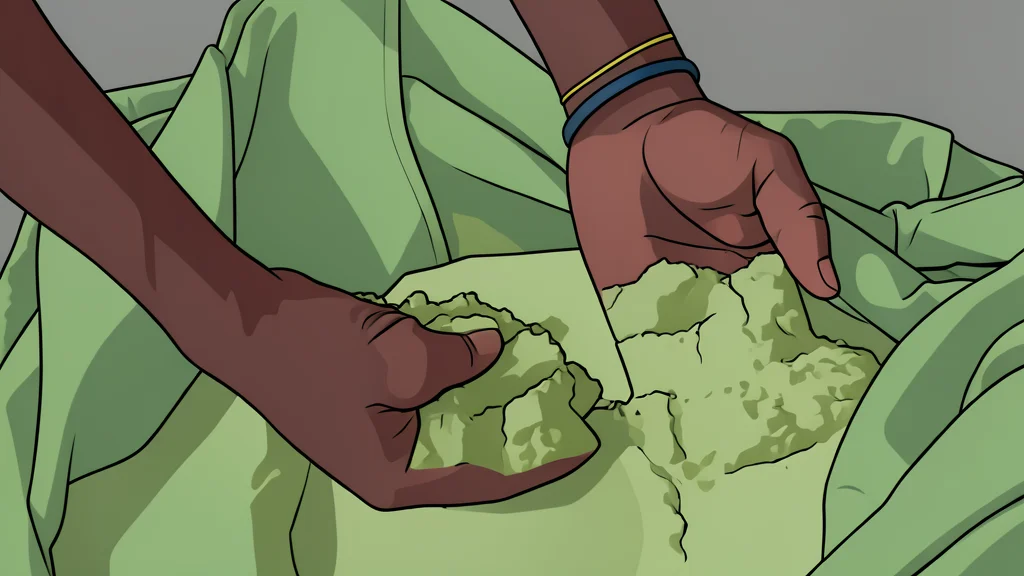
Factory owners in Al-Damer report that while production continues in areas largely spared from direct fighting, the overall volume has declined. The fine green powder, once a staple export, is now harder to produce consistently. This shift not only impacts the global availability of the dye but also threatens the local economy, where henna remains one of the most valuable cash crops in River Nile state.
Cultural Resilience Amidst Environmental Pressure
Despite the economic and environmental challenges, the cultural significance of henna persists. For many Sudanese, it is an integral part of bridal ceremonies and family gatherings. Artists like Mubarak continue to practice their craft, viewing it as both a passion and a source of income. Yet, the sustainability of this tradition depends on the ability to secure water and protect the agricultural land that sustains the crop.
The forward question is how long the current agricultural systems can withstand the combined weight of climate change and conflict. With irrigation networks damaged and water supplies erratic, the future of henna in Sudan hinges on the restoration of water management infrastructure and the stabilization of the region. Observers will be watching whether diplomatic efforts to secure water rights and agricultural support can mitigate the long-term decline of this vital crop.