China Blocks Iran Sanctions Extension at UN Security Council
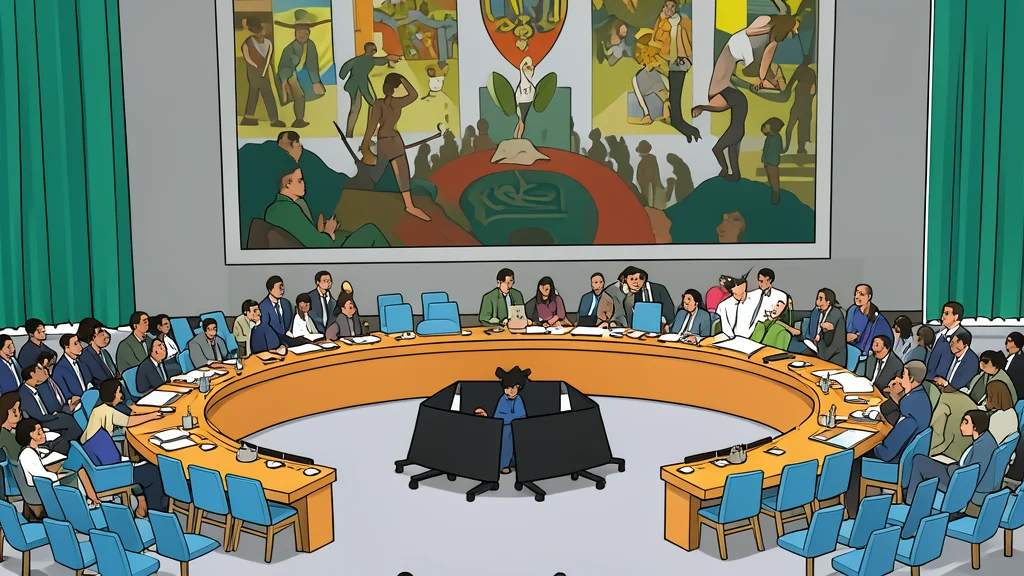
Beijing and Moscow voted against a US-drafted measure to extend the mandate of the Iran sanctions monitoring panel, citing diplomatic concerns.
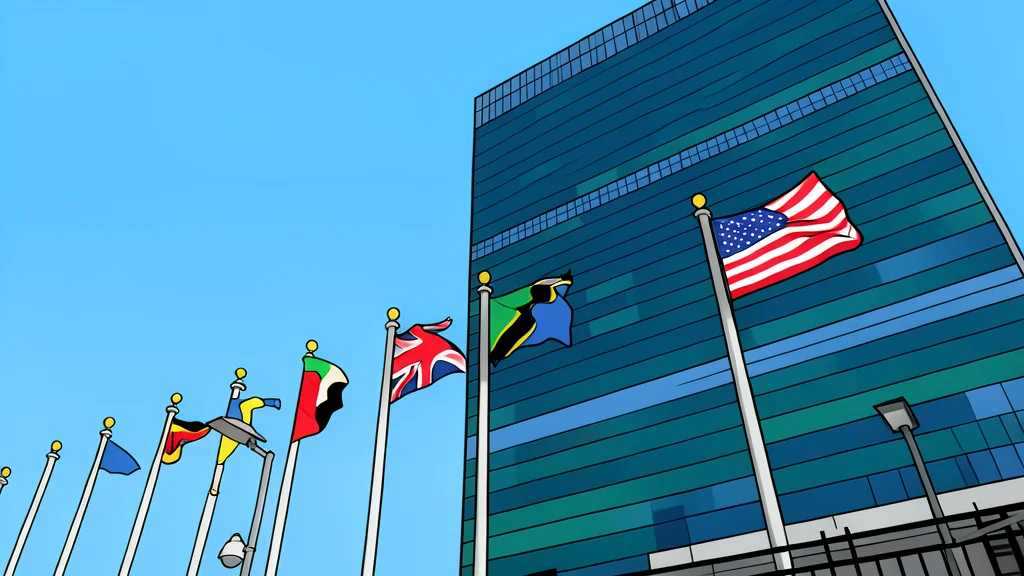
The United Nations Security Council failed on Thursday to adopt a draft resolution that would have extended the mandate of the Panel of Experts supporting the 1737 Iran Sanctions Committee for another year. The US-drafted measure received 11 votes in favor, but it was blocked by the negative votes of Russia and China, both permanent members of the body. Two other members abstained, leaving the current sanctions monitoring structure without a clear extension.
According to Fu Cong, China’s permanent representative to the United Nations, Beijing opposes the push to reimpose sanctions on Iran out of a commitment to fairness and the stability of the Middle East. He argued that the current crisis stems from the United States’ unilateral withdrawal from the Joint Comprehensive Plan of Action and its subsequent maximum pressure campaign. Fu stated that restoring sanctions through a controversial resolution would undermine the unity of the Security Council and hinder diplomatic efforts to resolve the nuclear issue.
Diplomatic Tensions Over Sanctions
The Chinese envoy emphasized that military means and sanctions pressure do not resolve the underlying problems and only serve to exacerbate regional tensions. He described the repeated conflicts in the Middle East as causing severe harm to the people of various countries, including Iran, with spillover effects that undermine common international interests. Fu urged all parties to exercise restraint, stop the use or threat of force, and create conditions for the resumption of negotiations and a potential peace agreement.
Beijing has positioned itself as a constructive actor in the region, asserting that it seeks no geopolitical self-interests and engages in no political confrontation. The representative noted that China has consistently advocated for peace and dialogue, aiming to help parties find a common denominator that accommodates legitimate concerns. This stance reflects a broader strategy to promote a political solution to the Iran nuclear issue while safeguarding the international nuclear non-proliferation regime.
Strategic Implications for the Middle East
The failure to extend the panel’s mandate highlights the deep divisions within the Security Council regarding the approach to Iran. While the United States and its allies view the sanctions mechanism as a critical tool for non-proliferation, Beijing and Moscow argue that it is a source of tension that hampers diplomatic progress. This divergence complicates efforts to maintain a unified international front on nuclear security and regional stability.
As reported by GN geopolitics/un, the situation underscores the ongoing struggle to balance security concerns with diplomatic engagement in the Middle East. The inability of the Council to agree on a path forward leaves a gap in the oversight of Iran’s nuclear activities, potentially creating challenges for the non-proliferation regime. The international community now faces the task of determining how to proceed without further escalating tensions among major powers.
Path Forward for Nuclear Negotiations
The next steps for the international community will likely involve renewed diplomatic efforts to bridge the gap between the US position and that of China and Russia. Observers will watch closely for any moves by the parties concerned to return to negotiations or for new proposals that might address the concerns of all stakeholders. The outcome of these efforts will be critical in determining the future of the Iran nuclear issue and the broader stability of the Middle East.
In the coming weeks, the focus will shift to bilateral and multilateral channels where diplomats may attempt to find common ground. The ability of the Security Council to function effectively in this area will depend on whether the major powers can find a way to work together despite their fundamental disagreements on the role of sanctions in resolving the crisis. The stakes remain high as the international community seeks to avoid a further escalation that could destabilize the region.