UN General Assembly Convenes Amid Geopolitical Fractures
Nearly 130 heads of state gather in New York as the United Nations faces financial strain and leadership uncertainty while global conflicts persist.
The capacity of the United Nations to manage overlapping global crises will be closely examined as nearly 130 heads of state convene in New York this week. The General Assembly opens at a time when the post-Second World War international order is under significant pressure from widening conflicts in Ukraine and the Middle East, while the rapid advancement of artificial intelligence presents new challenges for multilateral cooperation.
According to Richard Gowan of the International Crisis Group, the organization is currently trapped in an open-ended crisis rather than experiencing a sudden collapse. Gowan noted that while the UN may not be in emergency care as it was last year, it remains in a state of prolonged instability. This assessment aligns with reports from GN geopolitics/un, which highlight the structural and financial pressures currently weighing on the institution.
Financial strain and diplomatic withdrawals
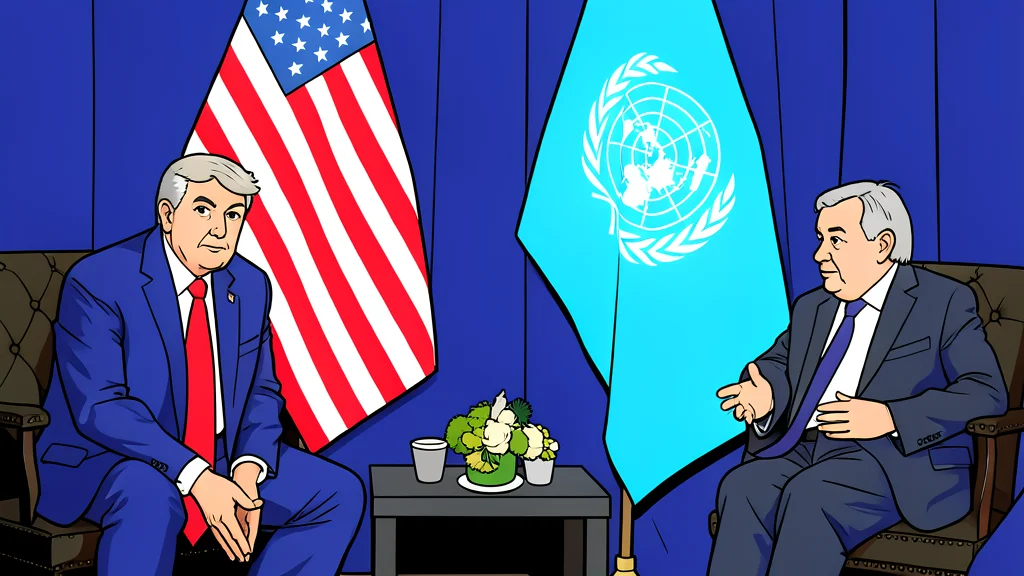
The United States continues to exert significant financial and political pressure on the organization. According to recent reports, Washington paid $725 million into the UN’s regular budget this week to retain its voting rights in the General Assembly, but it still owes more than $1 billion. This payment comes amid a broader reduction in US contributions and withdrawals from dozens of UN bodies under the current administration.
These financial constraints have contributed to a deeper crisis of morale within the UN secretariat. The administration in Washington continues to demand substantial spending cuts and structural reforms, creating an environment of uncertainty for staff and member states alike. This tension underscores the broader challenge of maintaining international cooperation when key funding partners are simultaneously reducing their engagement and increasing their demands for change.
Leadership gaps and shifting forums
Uncertainty also surrounds the future leadership of the 80-year-old organization. Secretary-General Antonio Guterres will complete his term at the end of 2026, but no clear frontrunner has emerged to replace him. Meanwhile, Chinese President Xi Jinping will not attend the General Assembly in person, having last addressed it by video in 2021.
Instead, Xi is scheduled to hold one-on-one talks with US President Donald Trump in Washington later this week. This move reinforces questions about whether major powers still regard the UN as the primary forum for addressing international emergencies. The preference for bilateral channels over multilateral stages suggests a potential shift in how global diplomacy is conducted, further complicating the UN's role in coordinating responses to complex crises.
Conflicts and regional instability
The security agenda remains dominated by the protracted war in Ukraine and the ongoing instability in the Middle East. Russian Foreign Minister Sergei Lavrov and Ukrainian President Volodymyr Zelenskiy are both expected to address the assembly. Zelenskiy is likely to use the platform to strengthen Ukraine’s position before another difficult winter, while Lavrov will represent Russia’s perspective despite the country’s permanent veto power on the Security Council.
In the Middle East, Iranian President Masoud Pezeshkian and Israeli Prime Minister Benjamin Netanyahu are scheduled to speak in consecutive sessions. Netanyahu is wanted by the International Criminal Court over alleged war crimes in Gaza, allegations that Israel denies. Their appearances occur as regional tensions continue to drive global inflation and disrupt shipping routes, with the Bab el-Mandeb Strait facing threats from militant advances that could push energy prices higher.