Uganda and Somalia Coordinate Security Efforts in Lower Shabelle
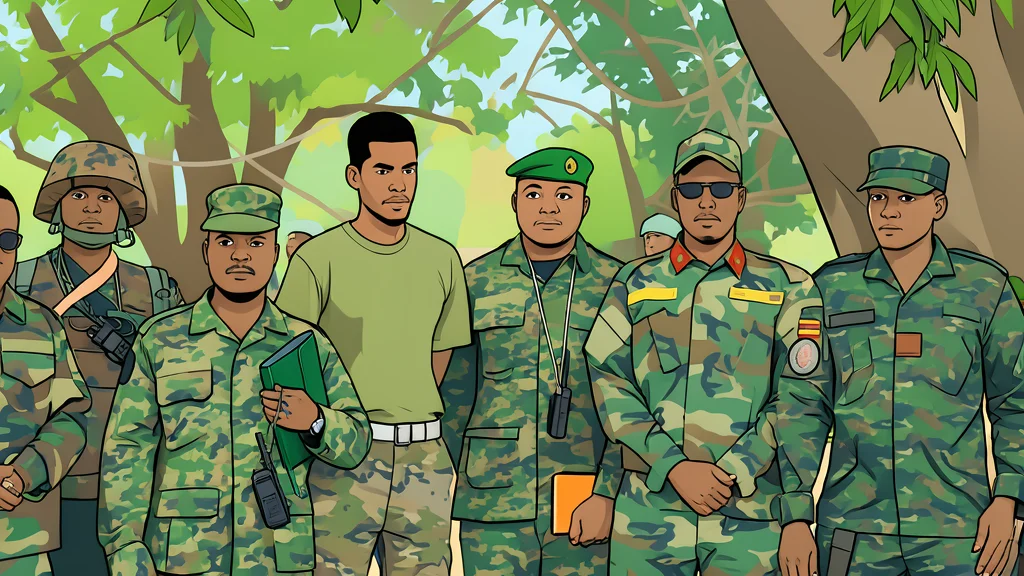
Ugandan and Somali military leaders convened in Buulo Mareer to review joint operations and reaffirm their commitment to stabilizing the Lower Shabelle region.
Security officials from Uganda and Somalia gathered in the town of Buulo Mareer to assess the evolving security landscape in the Lower Shabelle region. The meeting, which brought together senior military commanders and local administrative leaders, focused on enhancing coordination between the Uganda People’s Defence Force and the Somali National Army. Participants emphasized that sustained cooperation is essential for protecting communities and maintaining stability in areas that have faced significant security challenges in recent years.
According to reports from the GN auto geopolitics/africa: Somalia security desk, the engagement served as a platform to review operational strategies in the Kontunwaarrey District and surrounding areas. Local authorities, including the District Commissioner, underscored the necessity of integrating traditional leadership structures with formal military efforts. The dialogue highlighted a shared understanding that effective security requires not only tactical deployment but also deep community engagement to foster trust and reduce tensions.
Regional Stability Prioritized
Military leadership from both nations expressed confidence in the existing framework for joint operations. Lieutenant Colonel Don Naijuka, commanding the UPDF 143 Infantry Battalion, noted that teamwork among security forces is critical for strengthening stability. He commended the consistent collaboration between partner forces, describing it as a cornerstone of their mission to protect civilian populations. This sentiment was echoed by local leaders who stressed the importance of youth and elders working alongside security personnel to address root causes of instability.
The presence of the specialized Danab Brigade alongside regular infantry units suggests a multi-layered approach to security. By involving different military specialties, the coalition aims to address diverse threats ranging from organized armed groups to localized criminal activity. The meeting provided an opportunity to synchronize communication protocols and share intelligence, ensuring that all parties are aligned in their objectives and methodologies. This level of coordination is viewed as a key factor in reducing the frequency of security incidents in the region.
Pan-African Security Commitments
Somali military officials framed the cooperation within the broader context of Pan-African peace and security. Major Faarax, commanding the SNA 62nd Infantry Battalion, thanked the Government of Uganda for its continued commitment to Somalia’s stability. He highlighted the strong bilateral relationship between the two countries, noting that they share a common commitment to the wellbeing of African communities. This diplomatic dimension underscores that the military partnership is not merely a tactical arrangement but is supported by a broader political and regional strategy.
The emphasis on regional solidarity reflects a growing trend in East Africa where neighboring states collaborate to address cross-border security threats. By linking local operations in Lower Shabelle to wider continental goals, the participating forces seek to legitimize their presence and secure broader support for their efforts. This approach may also serve to mitigate international perceptions of foreign military intervention, positioning the Uganda-Somalia partnership as a collaborative, neighborly effort to restore order.
Future Operational Challenges
While the recent meeting has reaffirmed the commitment to joint operations, the security environment in Lower Shabelle remains complex. Analysts suggest that the next phase of cooperation will focus on sustaining these gains and expanding the scope of community-based security initiatives. The success of these efforts will depend on the ability of military and civilian authorities to maintain consistent communication and adapt to changing threats on the ground.
Observers will be watching for any significant changes in the operational tempo in the coming weeks, as well as the extent to which local governance structures are integrated into the security framework. The longevity of this partnership will likely be tested by both internal political dynamics in Somalia and the evolving threat landscape posed by armed groups in the region.