US Imposes Visa Restrictions on South African Officials
Washington has introduced new visa limitations targeting South African figures accused of promoting racial discrimination, marking a significant escalation in bilateral tensions.
The United States has announced a new policy restricting visas for individuals within the South African government who are accused of engaging in race-based discrimination. This move represents a sharp escalation in the deteriorating relationship between the two nations, following a series of diplomatic friction points that have accumulated over the past year.
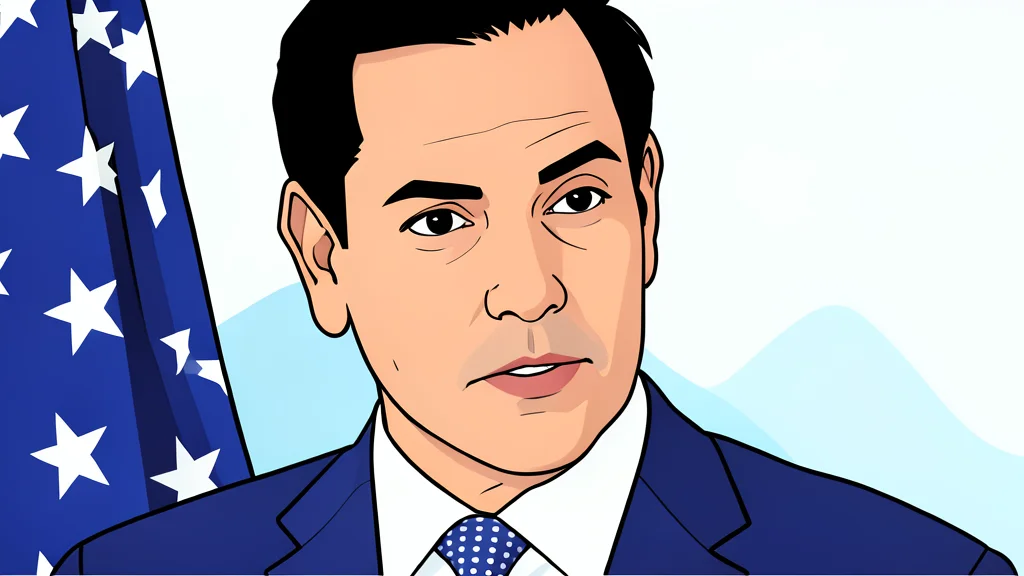
According to a statement released by Secretary of State Marco Rubio, the restrictions aim to address what Washington views as state-sponsored prejudice against the white minority, specifically Afrikaners. The policy targets those who promote discrimination, incite violence, or facilitate the confiscation of land without compensation, signaling a broader shift in US foreign policy toward South Africa.
Washington Cites Unresolved Concerns
In his official announcement, Rubio stated that the South African government has failed to adequately address previously raised concerns regarding racial inequality. The Secretary emphasized that the US will not allow behavior that undermines peace, economic stability, and the rule of law to go unchecked. While no specific individuals were named in the initial release, the directive applies broadly to officials deemed responsible for what the US describes as government-sponsored injustice.
The US embassy in Pretoria further clarified that dialogue with the South African government has effectively run its course. According to diplomatic sources cited by BBC World, Washington believes the African nation has not demonstrated a sufficient commitment to maintaining strong bilateral relations. The embassy warned that the visa restrictions are merely the first step in a series of potential escalatory measures designed to show America's firm resolve on this matter.
Pretoria Denies Persecution Allegations
The South African government has consistently rejected the allegations of persecution and land confiscation. Officials in Pretoria argue that claims of a genocide against white South Africans lack reliable evidence and have been widely discredited by independent analysts. Recent crime statistics from the country do not indicate that white citizens are disproportionately victimized by violent crime compared to other racial groups.
The dispute centers significantly on land reform policies. While the US criticizes recent legislation allowing expropriation without compensation in rare instances, the South African government maintains that these measures are necessary to address historic inequalities left by apartheid. The administration insists that the law requires authorities to seek agreement with property owners first and allows for judicial review, arguing that it does not permit arbitrary seizures.
Diplomatic Tensions Continue to Rise
Relations between the two countries have declined steadily since the current US administration took office, with Washington previously cutting aid and expelling the South African ambassador. President Donald Trump had previously offered refugee status to Afrikaners, citing persecution, a claim that President Cyril Ramaphosa has firmly denied. Despite a recent visit to the White House by Ramaphosa and a delegation including white members of his cabinet, the diplomatic rift remains wide.
As the situation unfolds, observers will be watching for South Africa's official response to the new visa regime. The coming weeks may see further diplomatic maneuvers or retaliatory measures, as both nations navigate the complex intersection of historical grievance, current policy, and international standing. The outcome will likely shape the broader trajectory of US engagement in Southern Africa.