Houthi Resilience Amidst Decade of Regional Conflict

Despite sustained aerial campaigns by multiple nations, Yemen's Houthi movement has expanded its capabilities and influence, challenging prevailing assumptions about the efficacy of kinetic force against decentralized insurgent groups.
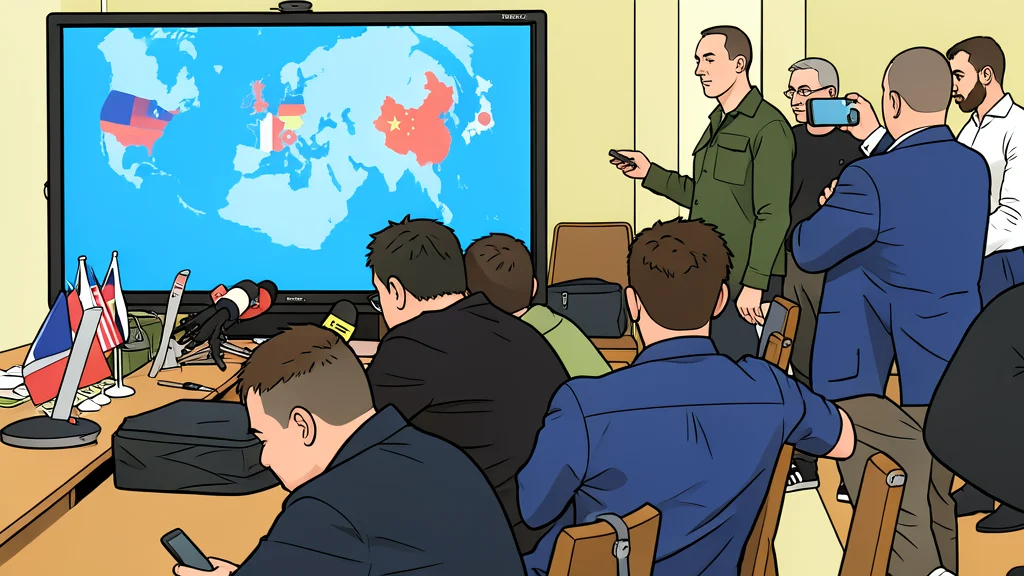
Over the past decade, Saudi Arabia, the United Arab Emirates, the United States, Britain, and Israel have conducted extensive air operations against Yemen’s Houthi rebels, yet the group has reportedly emerged stronger. As the movement advances on key maritime chokepoints and strikes Saudi oil infrastructure, international observers note that conventional military responses have failed to degrade their operational capacity. The resilience of the Houthis has raised significant questions about the limits of aerial superiority in modern asymmetric warfare.
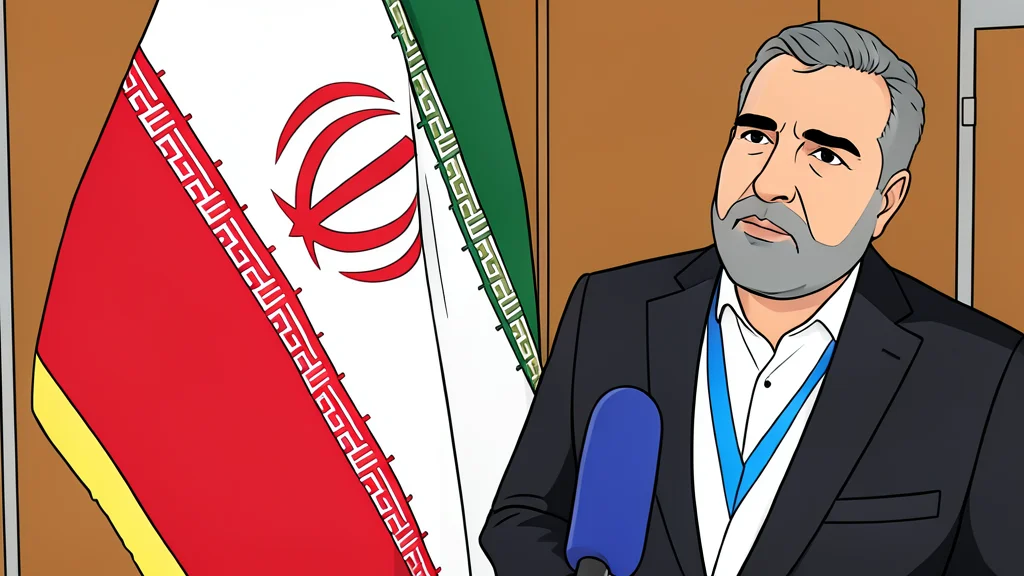
The group operates within a vast, mountainous terrain that allows for the dispersion of fighters and military assets, making them difficult to target effectively. According to United Nations experts and strategic analysts, external support from Iran and allied networks in Lebanon and Iraq provides critical expertise, training, and sophisticated weaponry. This combination of geographic advantage and external support has enabled the Houthis to threaten major oil infrastructure and vital trade routes with increasing frequency and precision.
External Support and Rapid Capability Growth
Michael Knights, a researcher at Horizon Engage, describes the Houthis as the most ideologically committed and aggressive among Iran’s regional allies. He notes that their military development has been accelerated by Iranian assistance, achieving in five years what took other groups two decades to build. The group now possesses a diverse arsenal of ballistic and cruise missiles, as well as drones, with ranges that extend to all Gulf states and Israel. These capabilities are supported by anti-ship missiles and naval drones used to disrupt shipping in the Red Sea.
Although Iran denies arming the Houthis, citing United Nations embargoes, intercepted shipments and a 2024 report by U.N. experts have documented extensive military ties. The report estimates that the Houthi fighter recruitment has surged to 350,000 by 2024, a dramatic increase from 30,000 in 2015. While Iran is believed to supply advanced components like guidance systems, the Houthis have developed the capacity to manufacture much of their weaponry domestically, reducing their dependence on continuous external supply lines.
Limited Impact of Aerial Campaigns
Saudi Arabia initiated military operations in early 2015 to counter the Houthi seizure of northern and central Yemen, including the capital Sanaa. Over the following seven years, waves of airstrikes were conducted, often resulting in civilian casualties, while ground forces struggled to make significant territorial gains. A ceasefire was reached in 2022, but the conflict intensified after the outbreak of the war in Gaza, with the Houthis launching attacks on Red Sea shipping in solidarity with Palestinians.
In response, the United States and the United Kingdom launched strikes beginning in January 2024. President Donald Trump later ordered an intensified air campaign, reportedly dropping some 2,000 munitions on over 1,000 targets. Despite the high cost of these operations, which exceeded $750 million in U.S. munitions alone, the Houthis have continued to operate effectively. The limited success of these strikes suggests that kinetic force alone may be insufficient to neutralize a decentralized, well-supplied insurgent group.
Strategic Implications for Regional Security
The sustained Houthi threat poses a significant challenge to regional stability and global energy security. Saudi Arabia, despite possessing advanced U.S.-supplied weapons and missile defenses, faces growing pressure as interceptor supplies dwindle. The group’s ability to target oil infrastructure and disrupt trade routes has rattled world markets, highlighting the vulnerability of critical economic assets to asymmetric attacks. The situation underscores the complex dynamics of proxy warfare and the difficulty of achieving decisive military outcomes in fragmented territories.
As the conflict continues, the focus shifts to understanding the long-term implications of Houthi resilience. The group’s capacity to adapt, innovate, and maintain pressure despite heavy bombardment suggests a shift in the balance of power in the region. Observers from the GN auto geopolitics/middle-east: Yemen conflict desk emphasize that diplomatic and strategic solutions may be necessary to address the root causes of the conflict, rather than relying solely on military intervention. The next phase of the conflict will likely hinge on the ability of regional actors to manage this enduring threat.