UN Warns of Escalation as Ethiopian Opposition Groups Form Coalition

The UN urges restraint in Ethiopia following the formal alliance of seven armed opposition groups and reports of drone strikes on aid convoys.
Key points
- The UN expressed deep concern over worsening security in Ethiopia following the formation of a new coalition of seven armed opposition groups.
- A humanitarian aid truck carrying 41 metric tons of food was struck by a drone in northwestern Tigray, injuring a child.
- The coalition, including the TPLF and OLA, declared a joint objective to remove the current government and establish a transitional authority.
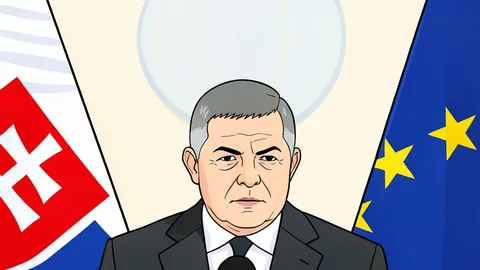
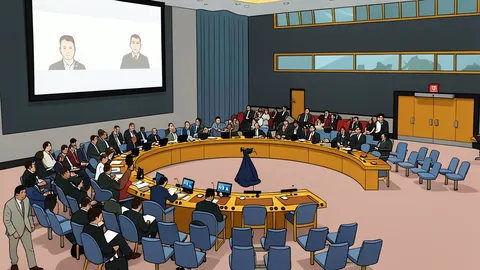
The United Nations has expressed deep concern over the deteriorating security landscape in Ethiopia, citing the recent formalization of a broad coalition of armed opposition groups. Spokesperson Stéphane Dujarric stated during a briefing in New York that the organization is deeply troubled by heightened tensions and reported drone strikes, urging all parties to refrain from actions that could further escalate the conflict.
According to reports from allAfrica.com, the UN’s warning comes one day after seven distinct opposition and armed factions announced a unified front aimed at removing the current government. The coalition includes major regional groups such as the Tigray People’s Liberation Front and the Oromo Liberation Army, marking a significant consolidation of anti-government forces across ethnic lines.
Formal Alliance of Opposition Forces
On September 20, 2026, leaders from the Amhara Fano National Movement, Oromo Liberation Army, and five other groups declared a joint objective to establish an inclusive transitional government. Zemene Kassie, chairman of the AFNM, read the statement on Tigray TV, asserting that the alliance formalizes months of coordination efforts. The groups accused the Prosperity Party-led administration of presiding over insecurity and human rights violations, though the government has not issued a direct public response to these specific allegations.
This development represents a shift from fragmented regional militancies to a structured political and military opposition. The coalition’s stated goal of ending the current administration’s rule suggests a renewed ambition for regime change, complicating the fragile peace that has held since the end of the two-year war in the north.
Concerns Over Drone Strikes
The UN spokesperson specifically referenced reports of drone strikes in his remarks, highlighting the risk to civilian safety. Concurrent reports indicate that a humanitarian aid truck carrying over 41 metric tons of food was struck in northwestern Tigray on September 20. Local officials stated that the attack in Swudey village injured a young girl and destroyed the relief supplies, underscoring the direct impact of the conflict on aid delivery.
These incidents have raised alarms among international observers who fear a return to widespread aerial combat. The targeting of humanitarian assets is viewed as a potential violation of international humanitarian law, adding diplomatic pressure on both the federal government and the armed groups to uphold the norms established during the previous peace process.
Diplomatic Path Forward
The United Nations continues to support African Union-led initiatives to reduce tensions and implement the Pretoria Agreement. Dujarric emphasized that military action cannot resolve political differences or address underlying grievances, calling for a renewed commitment to dialogue. The international community is watching closely to see if the new coalition will engage in negotiations or if the situation will slide into renewed hostilities.