Iran Defends Hormuz Stance Amid IAEA Dispute
Iranian officials assert robust defensive intent regarding the Strait of Hormuz while challenging Western narratives on maritime traffic and diplomatic access during the IAEA General Conference.
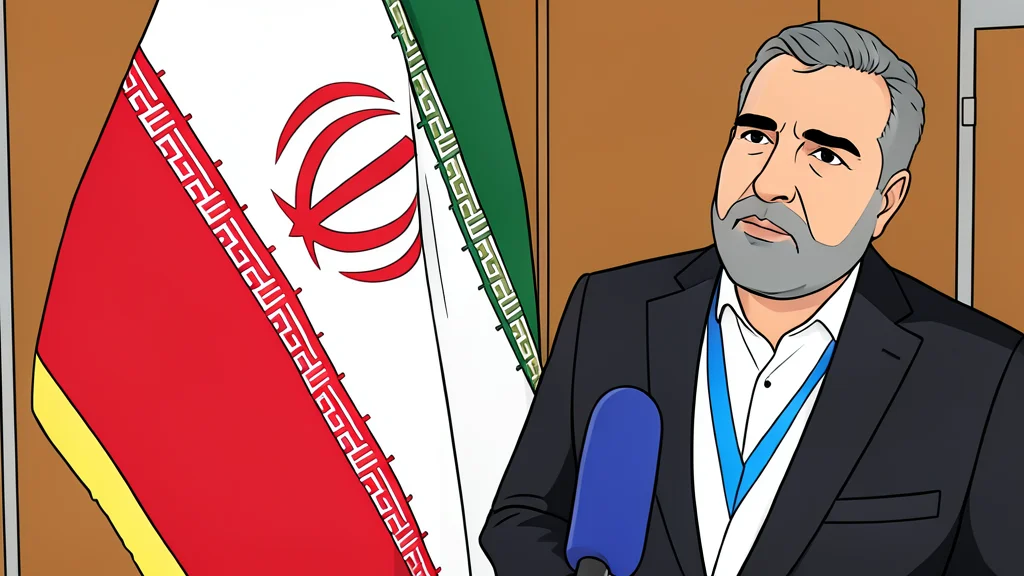
Iranian nuclear officials have reaffirmed the country’s determination to defend its sovereignty, particularly concerning security in the Strait of Hormuz. Behrouz Kamalvandi, the deputy head and spokesman for the Atomic Energy Organization of Iran, made these remarks in Vienna on the sidelines of the 70th General Conference of the International Atomic Energy Agency. The statements come at a time of heightened tension regarding maritime traffic and diplomatic access in the region.
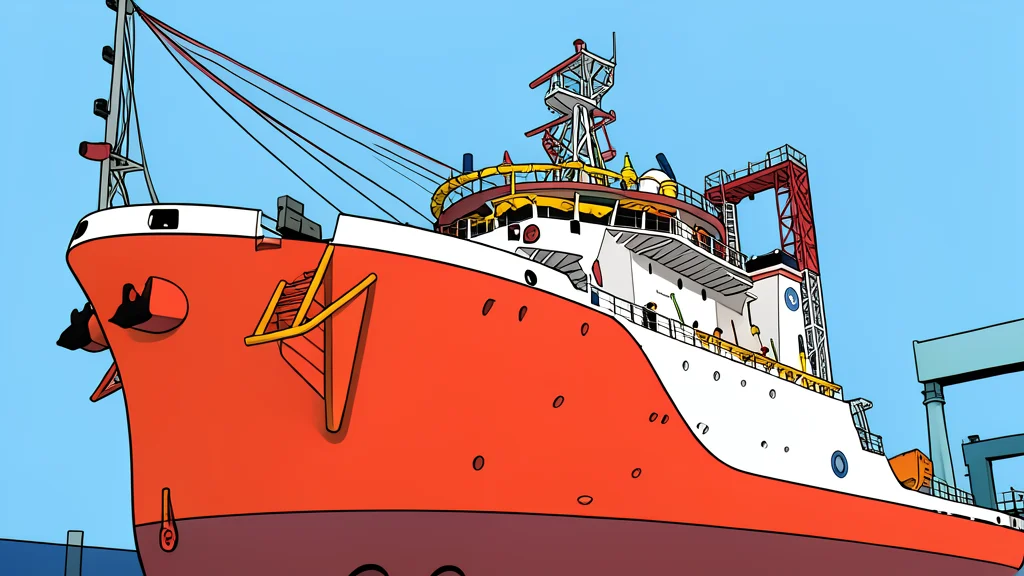
According to the GN auto geopolitics/middle-east: Iran nuclear desk, Kamalvandi disputed recent claims that commercial traffic through the strategic waterway is increasing. He stated that only a small number of vessels are currently moving through the strait, describing the figure as being in the single digits. This assessment directly contrasts with reports suggesting a rise in maritime activity, highlighting a significant divergence in how different parties perceive the current operational environment in the Gulf.
Disputes Over Maritime Traffic Data
The debate over the volume of ship traffic in the Strait of Hormuz has become a focal point of diplomatic friction. Kamalvandi emphasized that Iran is working to secure the situation but insisted that the actual number of ships transiting the channel is far lower than what Western observers have reported. By characterizing the traffic as minimal, Iranian officials appear to be challenging the narrative that the strait is operating at a level of normalcy or increased activity, potentially using this data to underscore the region's ongoing instability.
This disagreement over factual baselines complicates efforts to de-escalate tensions. If the actual traffic volume is indeed low, it suggests that commercial actors are already exercising extreme caution or avoiding the route altogether. Conversely, if higher figures are accurate, it indicates that global supply chains are attempting to maintain flow despite geopolitical risks. The lack of consensus on these metrics makes it difficult for international mediators to assess the true state of regional security and trade reliability.
Diplomatic Access Under Political Pressure
Tensions escalated further when reports surfaced that Austria had denied a visa to Mohammad Eslami, the president of Iran’s Atomic Energy Organization. Eslami was scheduled to deliver a speech at the IAEA General Conference, which is currently hosting nearly 4,000 senior officials and representatives from member states. According to state-run media, the visa revocation was attributed to obstructionism by the United States and other countries, a move that Tehran views as a violation of international norms.
Kamalvandi criticized the decision sharply, noting that a visa had been issued two weeks prior before being suddenly revoked. He argued that this incident is not merely a bilateral issue between Iran and Austria but an international matter that requires a broader reaction from the global community. The denial of access to a key nuclear official during a major multilateral forum raises questions about the ability of international bodies to function impartially when member states are subject to external political pressure.
Defensive Posture and Strategic Resolve
Beyond the specific issues of traffic and visas, Iranian officials have reiterated a broader stance on national defense. Kamalvandi stated that if a nation is under invasion, it has every right to use all available means to protect itself. He described Iran’s position as one of strong will and sufficient capability to prevail against external pressure. This rhetoric signals that Tehran views its current diplomatic and security challenges as existential threats that require a firm and unwavering response.
As the IAEA General Conference concludes, the forward-looking question remains how these disputes will impact future nuclear diplomacy. The combination of contested maritime data, blocked diplomatic access, and assertive defense rhetoric suggests that the path to de-escalation is fraught with obstacles. Observers will likely watch for any immediate reactions from other IAEA member states and whether the visa denial sets a precedent for similar restrictions in future international forums.