Morocco Holds First Post-Protest Parliamentary Elections
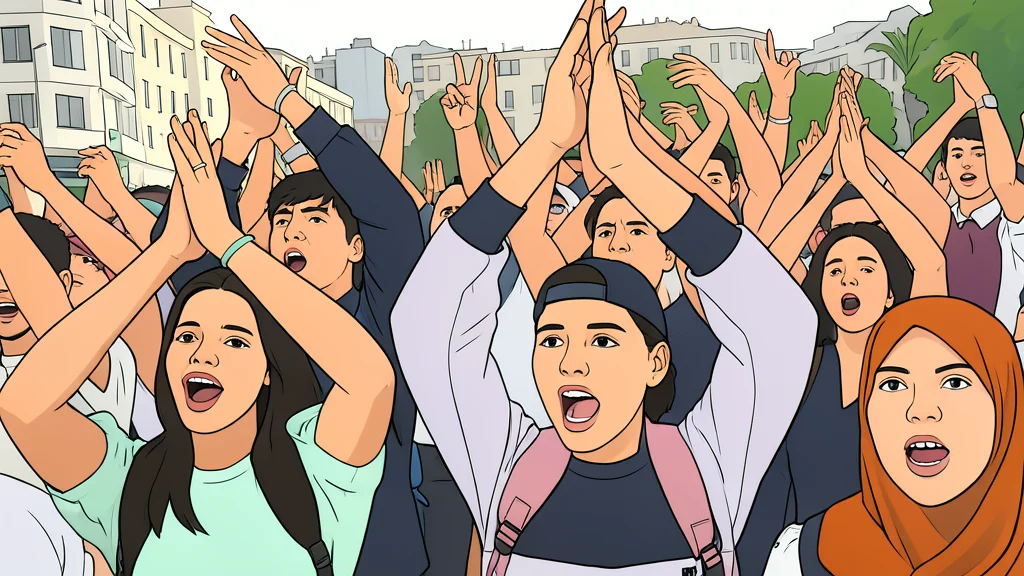
Youth-led candidates compete in Morocco's first elections since late 2025 demonstrations, seeking to address high unemployment and service deficits.
Key points
- 7,288 candidates from 27 parties compete for 395 parliamentary seats in Morocco's first election since late 2025 protests.
- Youth unemployment stands at 37% for ages 15-24, contrasting with a 13% national average, driving demand for better services.
- Former protest leaders are now running for office, seeking to translate demands for healthcare and education into policy.
Morocco is preparing for parliamentary elections on Wednesday, marking the first general vote since youth-led protests spread across the country in late 2025. According to Africanews, these elections represent a significant moment for a demographic that has recently moved from the streets to the political arena, seeking to influence governance through formal channels rather than protest.
The contest involves 7,288 candidates from 27 political parties competing for 395 seats in the House of Representatives. Among the candidates are former participants in the Gen Z demonstrations, who now aim to translate their demands for better healthcare, education, and employment into legislative action. This shift highlights a growing willingness among young Moroccans to engage with the political system despite previous frustrations with public services and corruption.
Former Protesters Seek Legislative Roles
Several former activists have entered the race, believing that electoral participation is the most effective way to address systemic issues. Younes Belaidi, 29, who participated in the protests, is now running for the Progress and Socialism Party in Casablanca’s Ain Chock district. According to Africanews, he works for the Moroccan Organization for Human Rights and argues that young people must participate strongly and in large numbers to solve the country’s problems.
Fellow party member Aymane Saissi, also a former protester, expressed tempered but realistic expectations. He stated that while hope is not guaranteed, there is a possibility that the next government will launch projects addressing basic demands such as health, education, and a decent life. This cautious optimism reflects a broader sentiment among young candidates who view the election as a critical opportunity to push for tangible improvements in public services.
Migration Experiences Shape Political Views
The experiences of those who attempted to cross borders during the recent migration surge are also influencing the political landscape. Ayoub Belaidi, 23, crossed into Ceuta this summer before returning to Morocco. According to Africanews, he described facing a state of emergency, lack of food, and no place to sleep during the first three days of his stay. His return and subsequent decision to vote underscores the complex relationship between domestic dissatisfaction and the search for opportunity abroad.
These personal narratives highlight the push factors driving youth engagement, including limited opportunities for self-development and economic stagnation. While some sought freedom and new cultures, the harsh realities of the migration experience have reinforced the desire for change at home. This dynamic adds a layer of complexity to the election, as candidates must address both the immediate needs of those who stayed and the aspirations of those who left.
Statistical Context of Youth Discontent
Official data underscores the severity of the challenges facing young Moroccans. Youth unemployment among those aged 15 to 24 reached 37 percent in 2025, significantly higher than the overall national rate of 13 percent. Despite this, people aged 18 to 24 account for roughly 12 percent of the population but make up only 4 percent of the 15.8 million registered voters. This disparity suggests that a large portion of the youth demographic remains politically disengaged or ineligible, potentially limiting the immediate impact of their candidacy.
The low registration rate among young adults raises questions about the future trajectory of political participation in Morocco. As the country moves forward, the extent to which young voters can mobilize and convert their discontent into political power will be a key indicator of the election’s long-term significance. Observers will be watching closely to see if the results reflect a genuine shift in political alignment or if the structural barriers to participation remain too high to effect meaningful change.