DPP Warns of Beijing Interference in Taiwan's November Local Polls
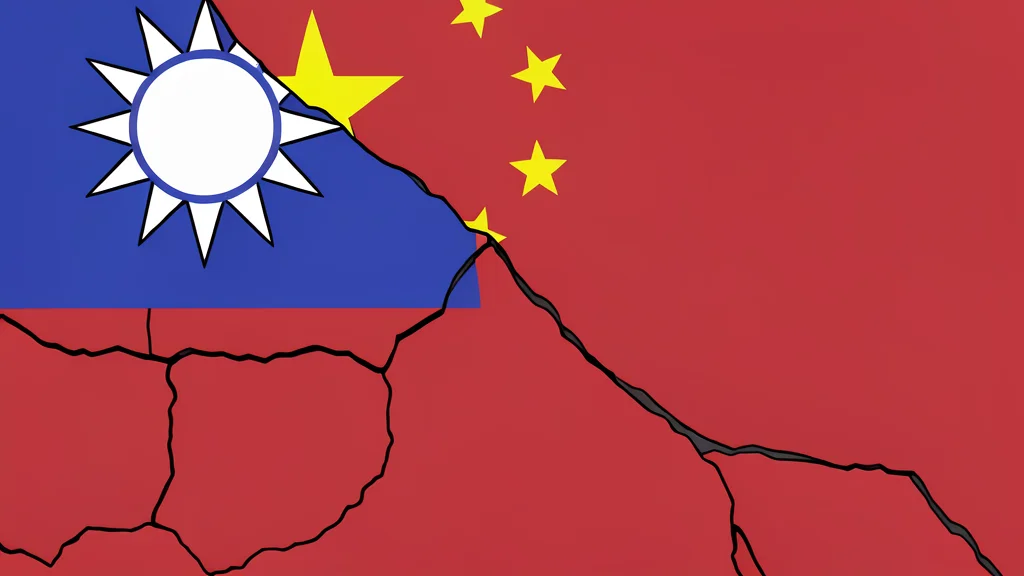
Taiwan's DPP urges stricter oversight of candidates with mainland ties, citing potential Chinese influence ahead of the upcoming local elections.
Key points
- The DPP warns of increased Beijing interference and urges oversight of candidates with mainland ties.
- 26 Chinese spouses with Taiwanese household registration are running for local office in November.
- Legal debates center on the Nationality Act versus the Cross-Strait Relations Act regarding eligibility.
Taiwan's ruling Democratic Progressive Party (DPP) has called for heightened vigilance regarding potential interference from Beijing in the upcoming November local elections. The party’s Department of China Affairs issued a warning on Sunday, asserting that efforts to influence the political process may have intensified. According to reports from Taiwan News, the department urged supervisory bodies to strictly monitor the conduct of candidates with connections to the mainland.
The warning specifically targets individuals who hold Chinese nationality, identify with China, or maintain ties to the Taiwan Affairs Office and united front organizations. The DPP emphasized the need to ensure that no candidates receive political donations or resources from outside the country. Furthermore, the party called on candidates with such backgrounds to transparently explain their history and interactions with Beijing to the electorate.
Eligibility Rules Under Scrutiny
Central to this debate is the status of Chinese spouses who have acquired Taiwanese household registration. Central Election Commission Chairman You Ying-lung noted that 26 such individuals have registered as candidates for the local races. He described this number as a normal fluctuation compared to the 2022 elections. However, the DPP legislative caucus has expressed support for their participation, provided they adhere to all relevant regulations and transparency requirements.
Legal Framework Controversy
The issue has become contentious following the government's decision to strip five borough chiefs of their positions for allegedly violating the Nationality Act. This law prohibits elected officials from holding dual citizenship. Chairman You previously argued that applying the Nationality Act in this context could be considered a legal reach, given that the Cross-Strait Relations Act already addresses eligibility based on household registration rather than nationality.
Premier Cho Jung-tai defended the government's actions, stating that the administration was not at fault for how the matter was handled. Meanwhile, Mainland Affairs Council Minister Chiu Chui-cheng acknowledged in February that no individual holding Chinese nationality before obtaining Taiwanese household registration has successfully relinquished their Chinese nationality. This admission highlights the complex legal landscape surrounding dual status and political eligibility in Taiwan.
Watch for Regulatory Clarifications
As the election cycle progresses, attention will turn to how regulatory bodies interpret and enforce these conflicting legal standards. Voters are likely to demand clearer guidelines on what constitutes improper interference versus legitimate political participation. The next steps will likely involve further public statements from the DPP and the executive branch, potentially leading to more specific enforcement actions or legislative adjustments.